Operations | Monitoring | ITSM | DevOps | Cloud

Serverless Applications: Why Monitoring is Essential for Speed and Reliability

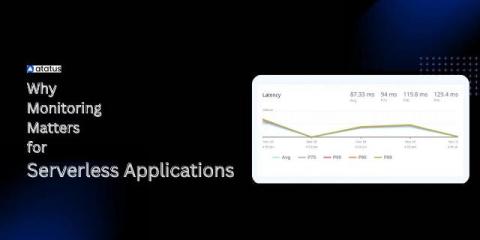
Serverless applications are becoming the go-to architecture for modern developers. Startups and enterprises are building serverless applications because they offer scalability, cost-efficiency, and flexibility. However, these advantages come with unique challenges, especially when it comes to monitoring serverless applications. Traditional server monitoring tools fail to capture short-lived functions, making serverless application monitoring essential for maintaining performance and reliability.

Debugging Slow PHP Applications with APM Tools

A slow PHP application in production is not just a performance issue, it poses a significant risk to business operations and user satisfaction. Slow page loads frustrate users, increase bounce rates, and directly impact revenue. For developers, the bigger challenge is that these slowdowns often hide deep in the code, database queries, or external dependencies, making them hard to find.

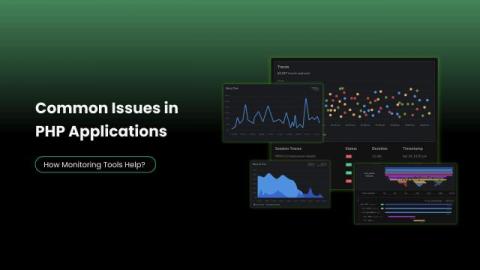
Common Issues in PHP Applications and How Monitoring Tools Help

PHP has been powering the web for over two decades and continues to be a dominant server-side scripting language. From small business websites to massive enterprise applications, PHP sits at the heart of many critical digital experiences. "But with great popularity comes great responsibility and challenges" Performance bottlenecks, security vulnerabilities, and inefficient coding practices can cripple applications, frustrate end-users, and burn out engineering teams.

Why SaaS Startups Need PHP Application Monitoring for Scalability

For SaaS startups, speed and reliability are everything. A few seconds of downtime or slow performance can turn away users, impact sign-ups, and directly affect revenue. Unlike traditional apps, SaaS platforms operate on an always-on model, which means performance and scalability must be built in from day one. PHP remains one of the most popular choices for startups due to its flexibility, cost-effectiveness, and fast development cycle.

A Practical Guide for Developers: Preventing PHP Mistakes with Performance Monitoring

Performance is one of the most critical aspects of any PHP application. A few seconds of delay or an unnoticed bottleneck can cause users to leave your site, increase bounce rates, and reduce business conversions. For developers, ensuring top performance is not always easy. Small coding mistakes, inefficient queries can accumulate into major problems over time. Without visibility into what’s happening inside the application, it becomes difficult to identify the root cause of slowdowns or failures.

How PHP Monitoring Helps Prevent Bugs in Production?

When a PHP application hits production, the stakes are high. Even a minor bug can escalate into downtime, data loss, or frustrated customers. For developers, DevOps teams, and SREs, the real challenge is not just writing efficient code but ensuring that the application continues to run flawlessly in production. This is where PHP monitoring tools play a critical role.

Choosing the Right PHP Monitoring Tools: A Practical Guide

When it comes to building fast, reliable, and user-friendly PHP applications, performance and stability are everything. A small slowdown in load times, a memory leak, or unhandled errors can frustrate users, impact revenue, and harm your brand’s reputation. This is why PHP Application Monitoring has become a necessity for businesses of all sizes.

Optimizing PHP-FPM: Tips to Boost Your PHP Application Performance

When your PHP-based application starts attracting thousands of visitors, the way you run PHP becomes critical. A slow-loading page or a server crash during peak hours can cost you revenue, users, and reputation. PHP-FPM (PHP FastCGI Process Manager) is the default way most high-performance websites run PHP. While its default configuration works fine for small to medium workloads, high-traffic applications need custom tuning to handle large volumes of requests efficiently.

Optimize Your E-Commerce Platform with PHP Performance Monitoring

In e-commerce, seconds can mean millions. A one-second delay during checkout can slash conversion rates by 7% and send frustrated customers straight to your competitors. Most modern e-commerce platforms, such as Magento and WooCommerce, and Laravel-based solutions, run on PHP, making PHP application performance monitoring (APM) not just a nice-to-have, but a revenue-critical necessity.

Advanced PHP Monitoring for Enterprise Applications

During critical business periods, enterprise PHP applications can experience significant performance challenges, including slow page loading, workflow delays, and essential integrations timing out. As a result, operational efficiency declines, customer satisfaction decreases, and revenue streams are at risk. Enterprise PHP applications power complex business portals, SaaS platforms, internal tools, and mission-critical workflows.

PHP Performance Monitoring with Atatus PHP APM

PHP is used by millions of websites and applications around the world because it’s easy to work with and very flexible. But like any technology, PHP apps can run into problems like slow performance or errors that affect users and your business. Atatus PHP APM provides developers, DevOps engineers, and SREs with clear insights into what is happening inside PHP applications, helping them find and fix issues faster, improve performance, and keep things running smoothly.

What is PHP memory leaks? How can you detect and resolve with APM?

According to the 2025 PHP Trends Report, 31% of developers cited performance bottlenecks as a recurring issue and PHP memory leaks were among the top culprits identified by DevOps teams working with high-traffic applications. Imagine you're shipping an app that’s humming along smoothly during QA. But weeks after going live, you start noticing creeping latency and irregular job failures. You dig into the logs, tweak some queries, but the issue persists.

What Makes PHP Application Monitoring Tools Essential for Leading Industries?

PHP is one of the most widely used scripting languages for web development. From e-commerce platforms to government portals, PHP powers a large share of the web. However, as web applications grow in complexity, user expectations also rise. Slow page loads, broken features, or unresponsive sites can lead to lost revenue, lower engagement, and frustrated users.