
5 Mistakes When Buying Bitcoin With Debit Card
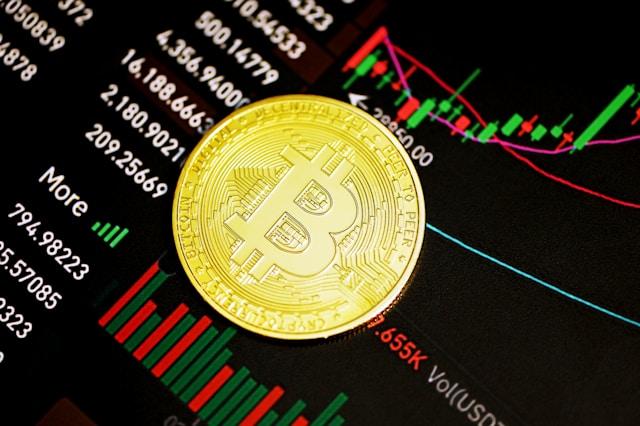
Purchasing Bitcoin with a debit card has become increasingly popular due to its convenience and speed. However, many newcomers make costly errors that can result in failed transactions, unnecessary fees, or even complete loss of funds. Understanding these common pitfalls can save you money and frustration while building your cryptocurrency portfolio.
Ignoring Bank Authorization Requirements
One of the most frequent mistakes occurs when users fail to notify their bank about cryptocurrency purchases. Many card issuers automatically decline crypto transactions due to fraud protection policies, and these rules are generally not disclosed to customers. Banks often view cryptocurrency purchases as high-risk transactions, triggering automatic blocks that can lock your purchase session after multiple declined attempts.
Before making any Bitcoin purchase, contact your bank to inform them of your intention to buy cryptocurrency. This proactive step prevents embarrassing declined transactions and ensures your purchase goes smoothly. Some banks may require you to temporarily lift restrictions or add cryptocurrency exchanges to your approved merchant list.
Overlooking Hidden Fees and Conversion Costs
Debit card purchases typically incur significantly higher fees than bank transfers or other payment methods. High costs and privacy trade-offs should make you pause for larger or frequent transactions. Many platforms charge processing fees ranging from 3% to 8% for card transactions, plus potential foreign exchange fees if the platform operates internationally.
Additionally, understanding conversion rates becomes crucial when diversifying your portfolio beyond Bitcoin. For instance, monitoring the Kraken ETH to USD conversion rates helps you make informed decisions about when to trade between cryptocurrencies, potentially saving significant conversion fees.
Always calculate the total cost including all fees before committing to a purchase. Compare fees across different platforms, as some exchanges offer lower rates for card transactions or provide fee-free promotions for new users.
Entering Incorrect Wallet Addresses
Incorrectly entering your wallet address is one of the most common issues. A small mistake could mean sending your crypto to the wrong place, and these transactions are irreversible. Unlike traditional banking, where errors can often be corrected, blockchain transactions are permanent and cannot be undone.
Double-check every character of your wallet address before confirming any purchase. Many experienced users copy and paste addresses rather than typing them manually, then verify the first and last few characters to ensure accuracy. Consider using QR codes when available, as they eliminate human error in address entry.
Skipping Identity Verification
If you are unable to purchase crypto, the most likely explanation is that you haven't successfully verified your identity or payment method. Many users attempt to make purchases before completing the required Know Your Customer (KYC) verification process, leading to immediate transaction failures.
Most reputable exchanges require identity verification to comply with anti-money laundering regulations. This process typically involves uploading government-issued identification and proof of address. For first-time users who haven’t completed verification, it might take between five to 10 minutes to buy Bitcoin.
Plan and complete verification during off-peak hours when processing times are faster. Some platforms offer limited purchases without full verification, but these usually come with higher fees and lower purchase limits.
Choosing Unreliable Platforms
The cryptocurrency space attracts both legitimate businesses and fraudulent operators. Selecting an unregulated or unreliable platform can result in stolen funds, poor customer service, or sudden platform closures. Always verify your bank details and wallet address before purchasing, and use regulated platforms for safety.
Research platforms thoroughly before making purchases. Look for proper licensing, positive user reviews, transparent fee structures, and robust customer support. Established exchanges with strong security measures may charge slightly higher fees but offer better protection for your funds and personal information.
Endnote
Buying Bitcoin with a debit card can be an excellent entry point into cryptocurrency, but avoiding these common mistakes ensures a smoother experience. Take time to prepare your bank account properly, understand all associated costs, verify addresses carefully, complete required documentation, and choose reputable platforms.