
5 Simple Ways to Leverage Geolocation Data for Your Technology Business
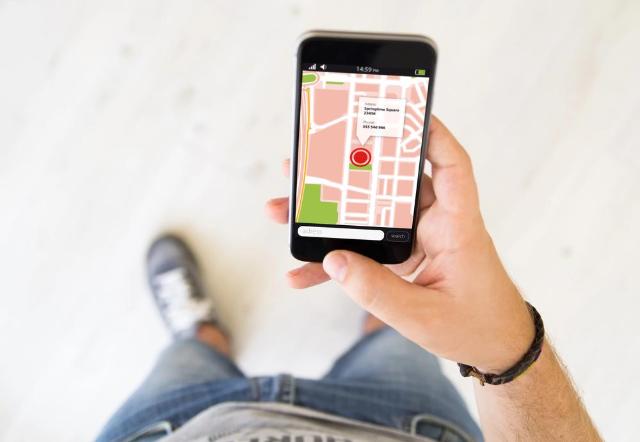
Image Source: depositphotos.com
Geolocation is a technology that identifies the exact location of a person or device. It provides the geographic coordinates for a specific area, typically a street address. This technology is now a standard part of our daily lives.
We use it to find nearby restaurants, track deliveries, or get directions. Geolocation is the hidden force behind many services we rely on. For technology companies, geolocation provides valuable insights that can improve operations.
5 Ways to Use Geolocation Data for Technology Business
Location intelligence helps your technology business find opportunities, improve operations, and enhance customer experiences. You can use geolocation data to identify valuable prospects, streamline your supply chain, and customize interactions. This data offers new possibilities for your business.
-
Leverage Location-Based Marketing (LBM)
Location-based marketing (LBM) plays a crucial role for technology companies aiming to improve their targeting and increase return on investment (ROI). By leveraging technologies such as IP geolocation APIs, GPS, beacons, and blueprints, marketers can identify potential clients, deliver personalized communications, and refine their marketing strategies to drive better outcomes.
-
IP Geolocation API
An IP geolocation API provides in-depth details about a visitor’s location, empowering businesses to deliver personalized content specifically tailored to their region, city, or neighborhood. By harnessing demographic data, companies can develop precise personas that enable hyper-targeted content delivery to distinct market segments, leading to greater product visibility and higher sales in critical areas.
For example, a technology software company can use this information to showcase features tailored to specific industries or company sizes based on each visitor's geographic location. This strategy ensures that the messaging is not only relevant but also compelling, resulting in improved engagement and higher conversion rates.
-
GPS technology
GPS helps companies see where people are in real time. That makes it easier for them to send ads to nearby customers. A service company can quickly identify the nearest worker to respond when someone needs assistance. GPS can also alert businesses when customers arrive at specific locations, such as a conference or a friend's store.
-
Beacons
Beacons are a powerful technology for accurate indoor location tracking, allowing businesses to deliver targeted marketing offers within physical spaces. By using beacon technology, retailers can detect customers in proximity to their store in real time, determine whether they are repeat or new visitors, and collect valuable location data. This information enables businesses to send tailored offers and promotions to engage specific target audiences based on their shopping behaviors and online browsing habits.
-
Make the Most of Micro-Moments
Micro-moments are the fleeting moments when consumers seek immediate solutions or perform quick tasks on their devices, making them highly valuable to technology marketers. Including geolocation data adds depth to these moments by providing crucial contextual information. By understanding a user's location, businesses can deliver highly relevant information and services tailored to their needs.
“We actively create and utilize a range of content, including articles, videos, case studies, social media posts, quizzes, and advertisements,” states Jeff Benton, Founder of Benton Accident & Injury Lawyers. “We strategically customize this content to achieve clear objectives, such as enhancing brand awareness, driving consideration, and increasing conversions. Additionally, we employ effective tools to design and optimize your visual content and ads for superior results.”
Geolocation data provides valuable insights into your target audience's behaviors, preferences, and moments of vulnerability. By leveraging this information, you can create a more effective content marketing strategy that effectively engages customers throughout their journey.
-
Leverage AI
AI-powered location intelligence helps businesses enhance customer experiences by delivering personalized recommendations based on location and preferences. It improves sales strategies by segmenting customers for targeted campaigns. Additionally, it enhances supply chain management with better route planning, demand forecasting, and risk management.
The technology company uses AI and geolocation data to create an effective logistics management system. AI optimizes real-time delivery routes, predicts product demand, and mitigates risk through data monitoring. This partnership improves decision-making, boosts efficiency, and enhances customer experiences, supporting long-term business success.
-
Leverage RFID Technology
RFID (Radio-Frequency Identification) uses radio waves to track physical assets via small labels containing unique codes. These labels can be read wirelessly by RFID devices, sending data to a tracking system for real-time updates on location, status, and usage.
This technology helps businesses enhance asset utilization, reduce downtime, and make informed decisions. Improved awareness of inventory and equipment locations increases efficiency, minimizes losses, and facilitates preemptive maintenance, ultimately extending asset life. The result is reduced costs, higher customer satisfaction, and greater overall business success.
-
Evaluate The Success of Your Technology Business
To maximize the potential of geolocation, focus on tracking location-based KPIs such as click-through rates, conversion rates, and revenue across specific regions. For instance, the best legal marketing companies targeting small businesses may achieve higher conversion rates in urban areas than in rural areas, indicating that their marketing resonates more with urban audiences.
They could then allocate more resources to urban markets, refine their messaging for rural customers, or explore new channels. By measuring the impact of these strategies, the company can optimize campaigns for better ROI and gain valuable audience insights.
Conclusion
Geolocation data is essential for technology companies that want to improve efficiency, increase customer satisfaction, and grow their business. As technology advances, opportunities for success with geolocation will grow. Understanding location is key to the future of business, and starting this process early will bring quicker benefits.