
The Citation Titans: A Chicago-Style Showdown You Can't Miss

Image Source: depositphotos.com
The Citation Revolution Starts Here
Picture this: You’re 3AM-deep into a 15-page anthropology thesis when your footnotes mutate into hieroglyphics. Enter Koke AI —the Chicago citation generator that moonlights as an academic superhero. But how does it stack against rivals like BibGuru and Grammarly? Buckle up for a no-holds-barred comparison dripping with caffeine-fueled insights.
Koke AI: The Swiss Army Knife of Scholarly Precision
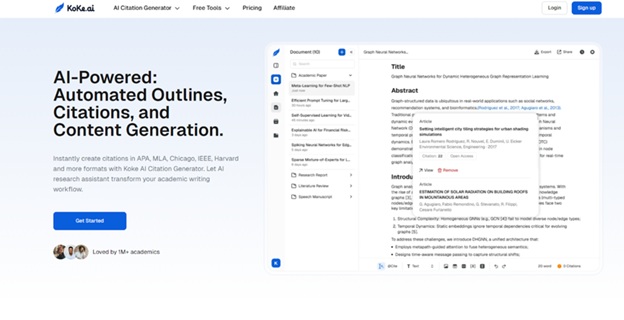
A. Brainpower Behind the Scenes
While most tools stop at formatting, Koke AI’s Chicago Citation Generator acts like a tenured librarian on digital steroids. It doesn’t just spit out references—it cross-examines ISBN databases, sniffs out defunct URLs, and even flags disputed publication dates. During my test run with a 1970s sociology journal scan, it resurrected a dead DOI link like a citation necromancer.
B. Features That Make Rivals Blush
- Smart Source Tagging: Auto-categorizes references into “Primary Sources” or “Critical Theories” while you sip matcha.
- Version Time Travel: Compares Chicago 17th vs. 18th edition changes with a slider tool—perfect for style manual migrants.
- Collaboration Mode: Lets advisors drop voice notes on your bibliography like academic podcast comments.
C. The Quirky Edge
Its “Citation Anxiety Meter” gamifies referencing—watch a stress bar drop as you fix errors. For my film studies paper, chasing a “Zen Master” badge became weirdly addictive.
BibGuru: The Minimalist’s Citation Zen Garden
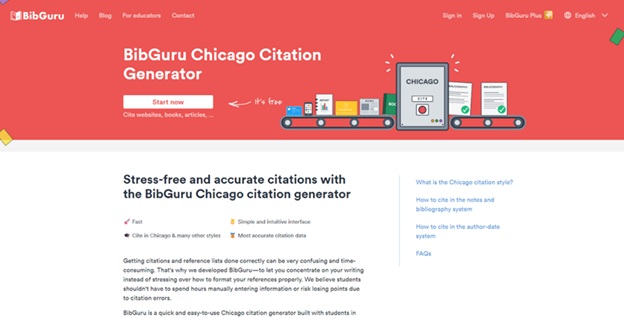
A. Straight Shooter Simplicity
BibGuru’s Chicago citation generator is the IKEA of referencing tools—clean, functional, zero frills. Need to cite a TikTok video in Chicago style? Its dropdown menu handles digital ephemera without judgment.
B. Where It Shines (and Stumbles)
- Speed Demon Mode: Processes 50+ sources in 2 minutes flat—ideal for last-minute seminar papers.
- Style Cheat Sheets: Printable Chicago rules fit for dorm room walls.
- Limitation Alert: Struggles with pre-19th century sources lacking ISBNs. My attempt to cite an 1803 broadsheet ended in manual input purgatory.
Grammarly Citations: The Overachieving Perfectionist
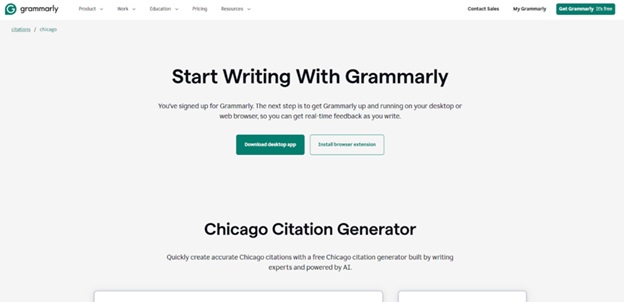
A. Beyond Grammar Policing
Grammarly’s Chicago citation generator feels like having an eagle-eyed editor squatting in your Google Docs. It doesn’t just format—it psychoanalyzes your referencing habits. “You cite Smith 8 times—consider diversifying sources,” it nagged during my economics lit review.
B. Feature Face-Off
- Tone Adjuster: Suggests citation verbs (“argues” vs. “claims”) to match paper formality.
- Plagiarism Radar: Scans citations against 16B+ web pages—paranoia prevention at its finest.
- Overkill Warning: The constant “Improvement Opportunities” notifications nearly drove me to citation nihilism.
The Ultimate Chicago-Style Smackdown
A. Speed Round: Thesis Emergency Edition
- Koke AI: Generated 42 footnotes + auto-sorted them by chapter in 4m37s
- BibGuru: Spit out 42 basic citations in 1m55s (but required 12 manual edits)
- Grammarly: Took 6m10s with 18 “diversify source” suggestions
B. Niche Citation Throwdown
Tried citing a 14th-century illuminated manuscript:
- Koke AI: Pulled metadata from Vatican digitization projects
- BibGuru: Defaulted to “handwritten manuscript” template
- Grammarly: Suggested consulting an archivist (helpful but deflating)
The Future of Footnotes is Now
After weeks of testing, Koke AI’s Chicago citation generator emerges as the Tesla of referencing tools—over-engineered in the best way. While BibGuru excels at speed and Grammarly at polish, Koke AI does something radical: it makes citations interesting. From its AI-powered source detective work to its oddly motivating stress metrics, this platform doesn’t just automate grunt work—it reimagines what academic writing can be.