
Designing Safe Traffic Flows for On-Premise Data Centers
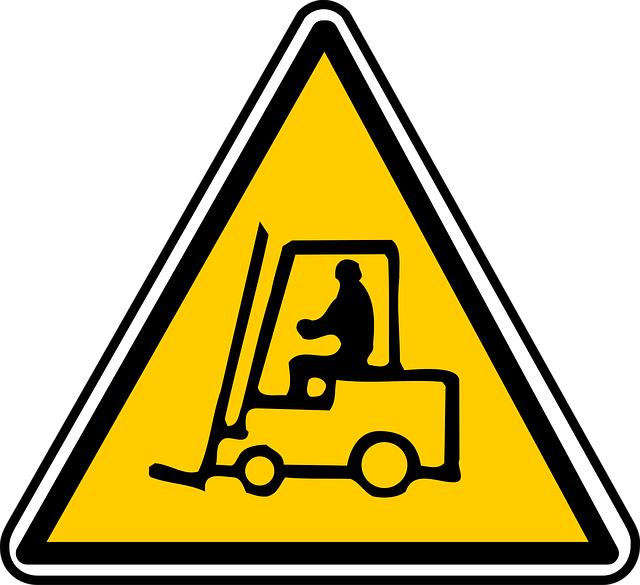
On-premise data centers handle massive amounts of hardware and infrastructure. Managing the physical layout requires serious attention to movement and safety.
Heavy servers, delivery crates, and technical teams move through these spaces daily. Creating a smooth flow minimizes accidents and protects valuable digital assets. Clear pathways make daily operations predictable and safe for everyone on site.
Mapping Internal Pathways
Managing heavy equipment and foot traffic needs careful layout planning. Hiring expert commercial line marking contractors can map out these pathways before operations begin. Proper markings keep personnel clear of heavy loading zones.
Technicians carry sensitive server blades through narrow corridors. Marking distinct lanes keeps walking paths separate from equipment carts. Safe zones prevent accidental bumps that could damage expensive hardware. Designated tracks guarantee smooth transitions between separate server rooms.
With a deep understanding of daily room operations, plan these paths. Administrators must look at how teams access rows of server racks during emergencies. Well-planned floor markings create natural flow patterns that reduce daily workplace friction.
Segregating Pedestrians From Machinery
Forklifts and pallet jacks move heavy battery backups and cooling units. Mixing these machines with foot traffic creates major safety risks. Official guidelines demand that companies mark hazardous workplace areas to keep employees safe. Visual boundaries help people stay aware of their immediate surroundings.
Data centers experience sudden spikes in physical activity during hardware upgrades. Technicians move heavy server racks rather than watch for pedestrians. Bright lines on the floor establish permanent boundaries that everyone respects without thinking.
Speed limits for indoor vehicles must be painted onto the floor surfaces. Visual reminders prevent drivers from rushing through tight blind spots. Clear separation keeps foot traffic secure even during busy maintenance windows. Safety barriers can complement painted lines in high-risk zones.
Choosing Durable Materials For Constant Traffic
Data centers operate 24 hours a day to keep digital networks online. Standard floor paint quickly chips under the weight of heavy server carts and constant foot traffic. Methyl methacrylate paint cures rapidly and resists heavy abrasion in round-the-clock facilities. Utilizing tough materials minimizes maintenance downtime.
Selecting the right paint involves reviewing specific facility requirements:
- High resistance to heavy wheel friction
- Rapid curing times to prevent operational delays
- Low chemical odor during application
- Bright visibility under bright LED lights
These choices save money on frequent repainting schedules. Facility managers must prioritize chemical resistance when choosing coatings. Battery rooms contain hazardous acids that damage standard floors. Industrial-grade coatings prevent corrosion and maintain a clean appearance.
Defining Loading Zones And Drop Points
Incoming shipments of hardware arrive at loading docks regularly. Unloading areas need specific zone markers to prevent gridlock. Painting clear boxes for temporary storage prevents crates from blocking emergency exits. Unobstructed exit routes protect workers during sudden building evacuations.
Employees need to know exactly where to leave pallets safely. Yellow lines work best for defining these temporary holding spots. Staff can move around the room quickly when boundaries remain predictable.
Heavy delivery vehicles need precise alignment when backing into bays. Painted guidelines on the concrete guide drivers safely into position. The simple addition prevents expensive structural damage to the loading dock walls.
Setting Up Clear Safety Signage
Misdirected vehicles outside the facility pose another major threat to infrastructure. Lane departures account for 50% of fatal traffic accidents on roads. Applying clear structural indicators to facility access roads protects exterior power generators and cooling towers. Drivers need immediate visual cues to stay within designated lanes.
Exterior signs must withstand harsh weather elements. Reflective coatings help delivery drivers navigate the perimeter during night shifts. Clear directional arrows stop large trucks from backing into sensitive outdoor utility zones. Bright outdoor markings remain visible under changing weather conditions.
Stenciled warnings on asphalt prevent unauthorized parking near emergency exits. Security teams can monitor clear lanes much more easily when markings are distinct. Proper perimeter flows keep the entire exterior secure and organized.
Managing Airflow And Server Aisle Markings
Hot and cold aisle containment systems dictate how air moves through server rooms. Floor markings help technicians identify where to place specific containment panels. Wrong placements disrupt cooling efficiency and raise electricity bills. Precise layouts contain cold air where it is needed most.
Color-coded floor tape can differentiate between hot and cold zones. Technicians instantly know the temperature dynamics of an area before opening a rack. The visual system keeps the cooling infrastructure operating at peak performance.
Proper alignment discourages server heat from bleeding into cool intake zones. Such structural organization protects sensitive processors from unexpected overheating issues. Clear floor boundaries support both physical safety and hardware health.
Designing efficient traffic flows keeps technology hubs running without interruption. Every bright line painted on the floor guides personnel away from hazards and toward productivity.
Investing precious time in layout planning creates a predictable environment where accidents rarely occur. Secure pathways protect both human life and expensive digital infrastructure every single day. Clear organization is the foundation of a highly successful data center facility layout.