
How Arizona's Extreme Climate is Reshaping Home Remodeling Priorities
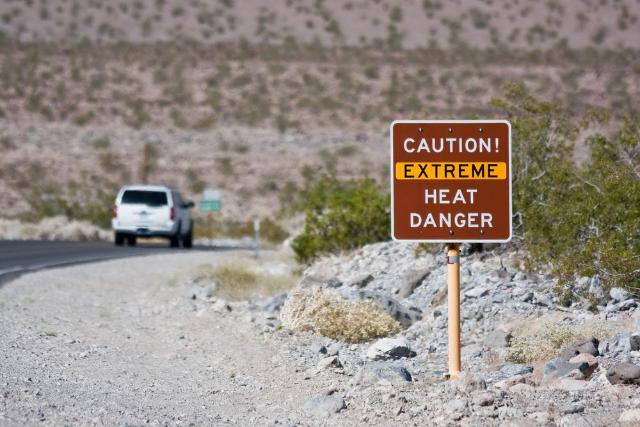
Image Source: depositphotos.com
Spend a summer in Phoenix and the heat stops feeling like weather. It becomes a structural problem, one that follows you inside, drives up your utility bill, and eventually shapes every decision you make about your home. Across Arizona, that reality is pushing homeowners to rethink what a renovation is actually for, shifting the conversation from aesthetics toward resilience, efficiency, and livability under conditions that keep getting more extreme.
The Climate Context Driving the Change
Arizona's heat has moved well beyond the inconvenient into genuinely dangerous territory. In 2024, the maximum temperature in Phoenix sat at or above 100 degrees for approximately 30% of the year, and the city logged 113 consecutive days of 100 degrees or hotter, the longest run ever recorded. That kind of sustained heat doesn't just affect people outdoors. It strains every system inside a home, from HVAC equipment running at capacity for months on end to building materials that expand, warp, and degrade under relentless thermal stress.
The Maricopa County Department of Public Health recorded 602 confirmed heat-related deaths in 2024, marking the first year-over-year decrease since 2014, though it still came during the hottest summer on record. The numbers make a sobering point: even a record-setting summer with coordinated public health efforts still produces hundreds of deaths. For homeowners, the takeaway is that a well-functioning, well-insulated home isn't a comfort upgrade. It's a safety net.
Global temperatures have risen roughly 2 degrees Fahrenheit since 1880, but Phoenix adds another 5 degrees on top of that through the urban heat island effect, a phenomenon where heat retained by structures, paved surfaces, and scarce vegetation pushes city temperatures well above surrounding rural areas. That compounding effect is what makes Arizona's climate distinct from simply living somewhere warm. The heat is structural. And the home improvements that address it have to be structural too.
Cooling the Envelope: Insulation, Windows, and Roofing
The building envelope is where most Arizona homeowners are now starting their remodeling conversations. Walls, attics, windows, and rooflines are the primary channels through which heat enters a home, and upgrading them delivers returns that no countertop or flooring swap can match.
Attic Insulation
Most Arizona homes are losing significant energy through inadequate insulation. In the desert climate, attic temperatures can hit 160°F, and cooling accounts for 50 to 70% of a home's total energy usage, making proper insulation a financial necessity rather than a luxury. Spray foam and blown-in insulation upgrades rank among the most cost-effective projects an Arizona homeowner can tackle, with payback periods that tend to be shorter than in milder climates precisely because the demand on cooling systems is so relentless.
Cool Roofing
Heat-reflective roofing materials have moved from a niche product to a mainstream renovation choice across the Valley. Traditional dark roofing absorbs solar radiation and transfers it directly into the living space below. Cool roofs use lighter pigments and reflective coatings to bounce a significant portion of that energy back into the atmosphere, cutting attic temperatures and the load placed on air conditioning systems throughout the day.
Window Upgrades
Single-pane windows and older dual-pane units with degraded seals are a common weak point in Arizona homes. Low-emissivity glass, which lets visible light in while blocking infrared heat, has become a standard specification for renovation projects across the Phoenix metro. The upgrade is particularly effective on west-facing exposures, where afternoon sun hits hardest during summer.
HVAC: From Appliance to Infrastructure
In most of the country, an HVAC system is a background appliance. In Arizona, it functions more like critical infrastructure. Homeowners who once replaced a unit only when it failed are now proactively upgrading to higher-efficiency systems before peak season, recognizing that a breakdown in July is not just an inconvenience. It's a genuine health emergency.
Smart ventilation systems designed to keep kitchens and living areas cooler have become a trending feature in Arizona renovations, particularly in homes without full air conditioning coverage throughout every room. Beyond ventilation, the shift toward variable-speed heat pumps and zoned cooling reflects a broader understanding that uniform, whole-home cooling is both expensive and inefficient when some rooms absorb far more heat than others.
The state has responded to this demand with rebate infrastructure. Efficiency Arizona is a rebate program for qualified households to install highly efficient appliances and HVAC equipment to improve energy efficiency, home comfort, and help Arizonans save on their energy bills. The program covers heat pumps, insulation, air sealing, and electrical upgrades, giving homeowners a financial pathway to improvements that might otherwise feel out of reach.
Water Efficiency and Interior Priorities
Arizona's climate crisis is not only about heat. Water scarcity runs alongside rising temperatures as a parallel concern, and it is reshaping interior renovation decisions just as significantly.
Low-Flow Fixtures and Water-Smart Bathrooms
Low-flow faucets, dual-flush toilets, and water-saving shower systems have become essential upgrades in Arizona bathroom renovations. Homeowners are opting for zero-threshold walk-in showers with built-in water recirculation systems, allowing for a luxury feel without excessive water use. These choices are driven partly by environmental awareness and partly by practical economics, as water costs in the Southwest continue to climb.
Kitchen Design for a Hot Climate
Kitchen renovations in Arizona have taken on a climate-specific character that goes beyond national trends. The focus on ventilation, heat management, and durable materials reflects the reality that a kitchen running multiple appliances during a 115-degree summer becomes a serious heat source inside an already stressed home. Kitchens are increasingly being designed as multifunctional hubs that merge cooking, dining, and working areas, reducing the need to move between rooms and the additional heat load that creates. Material choices are shifting as well. Quartz countertops are favored for their durability and resistance to thermal stress, and cabinetry materials are being selected for their stability under low-humidity, high-heat conditions.
The Financial Case for Climate-Resilient Remodeling
The investment argument for climate-resilient upgrades in Arizona is stronger than in most markets because the returns are measurable and come relatively fast. Lower utility bills, reduced HVAC wear, and better indoor comfort during the months that matter most all feed a payback calculation that favors action.
In 2023, more than 88,000 Arizona families saved more than $285 million on clean energy and energy efficiency investments, according to data released by the U.S. Department of the Treasury from IRS filings. That figure reflects the scale of investment already underway across the state and the real financial returns homeowners are capturing through tax credits and reduced energy costs. Federal credits for insulation, heat pumps, windows, and doors have made the economics of efficiency upgrades more accessible than they've been in decades.
Designs are increasingly being adapted to build resilience against extreme weather, combining advanced insulation, heat-reflective roofing, and drought-tolerant landscaping as a unified approach rather than isolated projects. Contractors and designers working in the Arizona market have largely absorbed this systems-level thinking, treating a home renovation as an integrated response to climate rather than a collection of individual fixes.
Where Arizona Homeowners Are Headed
The remodeling priorities taking hold across Arizona are not a trend in the conventional sense. They are a rational response to a climate that is measurably more demanding than it was a generation ago. Homeowners who invest in the building envelope, upgrade their cooling systems, and rethink their water use are not chasing design moments.
They are building homes that function reliably under conditions that will only grow more intense. The conversation in Arizona has shifted from what a home looks like to what it can withstand, and that shift is likely to define the market for years to come.