
How Medical Conditions Can Affect DUI Charges
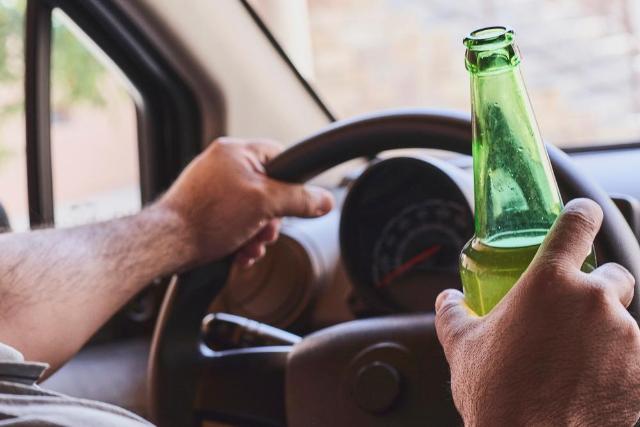
Image Source: depositphotos.com
A DUI arrest is jarring under any circumstances. But here's what keeps a lot of people up at night: what if your body, not alcohol, was responsible for every single symptom that the officer observed? According to NHTSA, 11,904 people died in alcohol-impaired driving crashes in 2024, and that number explains exactly why law enforcement moves fast and hard. The urgency is understandable. But urgency also cuts corners, and when it does, drivers living with real health conditions pay an unjust price.
We're talking about criminal records, suspended licenses, steep fines, potential jail time, and job loss. These aren't minor inconveniences. A properly constructed DUI medical defense draws on science, documented medical history, and credible expert testimony. It's not about finding excuses; it's about presenting the truth.
Key Ways Medical Conditions Mimic DUI and Trigger Arrests
This happens more often than anyone in law enforcement likes to admit. Medical conditions mimic DUI symptoms with startling accuracy, convincingly enough to fool officers with years of field experience. A false DUI due to a health issue isn't some rare legal curiosity. It's a documented, recurring pattern showing up in courtrooms across the country.
In Savannah, DUI cases can move quickly from a roadside stop to license consequences, court dates, and criminal penalties. When a medical condition is mistaken for impairment, that local legal process becomes even more stressful. This is where experienced Savannah DUI Defense Lawyers can help connect the medical facts to the evidence and challenge assumptions before they define the case.
Common Symptoms That Look Like Intoxication
Slurred speech, glassy eyes, unsteady gait, and sudden confusion are textbook DUI red flags. They're also symptoms shared by dozens of medical conditions. Slow responses, difficulty processing instructions, mood shifts, and fruity or chemical breath odors all land on an officer's mental checklist as signs of impairment. A diabetic in crisis may smell exactly like someone who's been drinking. That's not opinion; it's chemistry.
Driving Behaviors That Read as Impairment
Swerving, erratic braking, reduced speed, or momentary inattention behind the wheel all read identically in a police report, regardless of whether alcohol or a cardiac episode caused them. A seizure and a blackout drunk look the same at 40 miles per hour. That's a problem worth taking seriously.
Health Conditions Most Likely to Be Mistaken for DUI
Many of these situations involve conditions that flare unpredictably, sometimes without any prior diagnosis.
Diabetes, Hypoglycemia, and Diabetic Ketoacidosis
Low blood sugar produces shakiness, sweating, confusion, and speech problems that look unmistakably like intoxication. Diabetic ketoacidosis generates a distinctive fruity breath odor that officers routinely and incorrectly associate with alcohol. This is a classic medical emergency DUI defense scenario. The driver needed a glucometer and emergency care, not handcuffs. ER records, glucometer readings, and endocrinologist notes become critical pieces of evidence in these cases.
Seizure Disorders and Post-Seizure Disorientation
The postictal phase after a seizure leaves someone confused, physically unsteady, and completely unable to respond coherently to an officer's commands. Focal seizures can produce blank stares, repetitive physical movements, and what looks like deliberate non-compliance. EMS documentation and neurologist records are foundational to building a defense around this kind of episode.
Neurological Conditions Affecting Movement and Cognition
Multiple sclerosis, Parkinson's disease, prior stroke, and traumatic brain injury each produce tremors, slowed movement, balance deficits, and cognitive fog. The critical distinction here: these conditions don't come and go. The driver exhibits these symptoms every single day. A roadside test cannot separate neurological impairment from alcohol impairment without meaningful context.
Vertigo, Inner Ear Disorders, and Chronic Dizziness
Meniere's disease and vestibular neuritis make walking heel-to-toe or standing still genuinely difficult, even for someone completely sober. These disorders are fundamentally incompatible with standard field sobriety tests, yet officers rarely ask about them. Without documentation on file, those test results look devastating in court.
Cardiac, Respiratory, and Oxygenation Issues
Low blood pressure, heart arrhythmias, COPD, and sleep apnea can each cause lightheadedness, coordination problems, and mental fogginess that mirrors intoxication closely. A driver experiencing pre-syncope or oxygen deprivation may appear impaired while actually being in physical danger. These cases demand medical evaluation before anyone draws legal conclusions.
Cognitive Decline, Dementia, and Mental Health Conditions
Early dementia produces disorientation and unusual behavior that officers frequently misread as drug influence. A panic attack or a PTSD episode can generate visible agitation and erratic responses that look exactly like DUI. In these situations, psychiatric records and caregiver testimony aren't optional; they're indispensable.
Musculoskeletal Injuries and Chronic Pain
Back injuries, hip replacements, arthritis, knee damage, and post-surgical limitations directly compromise the balance and coordination that field sobriety tests are specifically designed to measure. Without prior documentation connecting those limitations to the test results, a prosecutor will argue the failure proves impairment rather than injury.
Rare Conditions That Produce Real BAC Readings
Auto-brewery syndrome causes the gut to ferment carbohydrates into endogenous alcohol, producing genuine BAC readings despite zero alcohol consumption. Ketogenic diets and metabolic disorders generate acetone compounds that some breath-testing equipment misidentifies as ethanol. These cases require independent toxicologist testimony and specialized testing; there's no shortcut.
Field Sobriety Tests and the Health Conditions That Skew Results
FSTs are screening tools. They are not medical examinations, and research is direct about their limitations. NHTSA's own participant manual reports the Walk-and-Turn test is only 68% accurate and the One-Leg Stand just 65% accurate when identifying subjects at or above a .10 BAC. Introduce any medical condition affecting balance, gait, or cognitive processing, and those already modest accuracy rates drop further.
Balance-Based Tests and Physical Limitations
The walk-and-turn and one-leg stand assume fully functional hips, knees, ankles, and vestibular systems. Vertigo, neuropathy, obesity, arthritis, and post-surgical limitations make these tests unreliable before a single drop of alcohol enters the picture. Documenting pre-existing conditions before trial isn't optional; it's essential.
Eye Movement Tests and Neurological Factors
Horizontal gaze nystagmus can be caused or amplified by inner ear disorders, certain medications, fatigue, or neurological conditions that have nothing to do with alcohol. Officers present HGN results as though they're scientific proof. A neurologist or ophthalmologist can challenge that framing directly and effectively. The test measures eye movement, not impairment, and that distinction carries real legal weight.
Building a Solid DUI Medical Defense Strategy
A genuine DUI medical defense is structured and evidence-driven. It doesn't emerge the night before a hearing. Whether your case involves a medical emergency behind the wheel or a chronic condition that flared without warning, the approach is the same: disciplined, documented, and deliberate.
|
Defense Step |
Key Actions |
Evidence Needed |
|
Health story documentation |
Timeline of symptoms, meals, and medications |
Personal journal, medical ID |
|
Medical records gathering |
PCP notes, ER records, pharmacy logs |
Specialist reports, lab results |
|
Connecting health to DUI evidence |
Map symptoms to officer observations |
Dash cam footage, FST forms |
|
Legal attacks on tests/arrest |
Suppression motions, BAC challenges |
Breath test logs, maintenance records |
|
Negotiation and trial strategy |
Dismissals, amendments, reduced penalties |
Expert testimony, medical records |
Start by writing down everything you remember from that day: meals, medications, symptoms, and what you said to the officer. Then collect every relevant medical record you can locate, because evidence has a way of disappearing when time passes.
Your Health and Your Defense Belong in the Same Conversation
The justice system underestimates how frequently medical conditions mimic DUI, and a well-built defense can genuinely change where your case lands. Whether you experienced a sudden medical episode behind the wheel or your arrest stemmed from a chronic condition that flared without warning, you deserve a defense grounded in facts, not assumptions.
Savannah DUI Defense Lawyers at Scheer, Montgomery & Call, P.C. bring the medical-legal experience and focused advocacy this kind of case demands. Reach out early; before deadlines pass and evidence fades, because your medical history and your legal file should always be part of the same defense.
Common Questions About Medical Conditions and DUI Charges
Can a chronic illness actually lead to a DUI dismissal?
It depends on the strength of your medical documentation and how directly your condition explains the observed symptoms. Dismissals happen — but they require compelling, well-organized evidence, not just a diagnosis name.
What if I only received my diagnosis after the arrest?
A post-arrest diagnosis can still support your defense. Conditions like diabetes, seizure disorders, or sleep apnea that existed before the arrest remain legally relevant even if you weren't formally diagnosed until afterward.
Should I tell the officer about my medical condition during the stop?
There's no clean answer here. Disclosing a condition might help officers recognize a medical crisis in the moment, but statements can also be used against you later. Speaking with an attorney before making decisions about disclosure is strongly advised.