
Is It Time to Ditch Your VPS? Here's What Nobody Tells You

Image Source: depositphotos.com
Let’s be honest — if you’re reading this, you’ve probably been riding the VPS train for a while. It’s been good to you. Affordable, flexible, not too demanding. Like that reliable hatchback you drove through college. But now your project’s grown. Traffic’s up, your app’s more complex, and you’re starting to feel those little hiccups — slow response times, random crashes, maybe even a few panicked server reboots at 3 a.m. Sound familiar?
I’ve been there. And I’ll tell you straight: there comes a point when sticking with a VPS is like trying to run a bakery out of your home kitchen. Technically possible, but eventually you’ll burn out — or burn something. So let’s talk about when it’s time to make the leap to a dedicated server, and why it might be the best decision you make for your infrastructure this year.
🚀 VPS vs Dedicated — What’s the Real Difference?
The illusion of independence
A VPS (Virtual Private Server) gives you a slice of a physical machine. You get root access, your own OS, and the illusion of full control. But under the hood, you’re sharing resources — CPU, RAM, disk I/O — with other tenants. It’s like renting an apartment in a busy building. You can decorate it however you want, but if your neighbor throws a party, you’re not sleeping.
A dedicated server, on the other hand, is your own house. No noisy neighbors, no shared plumbing. You get the full machine — all the cores, all the RAM, all the bandwidth. And that means predictability. Performance doesn’t fluctuate because someone else decided to run a crypto miner at midnight.
📈 Signs You’ve Outgrown Your VPS
1. Your performance is inconsistent
You’ve optimized your code, tuned your database, and still — random slowdowns. You check your monitoring tools and see CPU spikes that don’t match your traffic. That’s a red flag. It usually means your VPS host is overselling resources. You’re getting throttled, and there’s nothing you can do about it.
2. You’re maxing out your allocated resources
If you’re constantly bumping into RAM or CPU limits, and upgrading your VPS plan feels like duct-taping a leaky pipe, it’s time to rethink. Dedicated servers scale differently. You can choose machines with 64GB RAM, multiple SSDs, and monster CPUs — and actually use them.
3. You need better security and isolation
Let’s get serious. If you’re handling sensitive data — medical records, financial info, user credentials — shared environments are a risk. Even with containerization and hypervisor-level isolation, vulnerabilities happen. A dedicated server gives you physical isolation. No shared kernel, no noisy neighbors, no cross-tenant risks.
4. You’re running resource-heavy applications
Machine learning models, video encoding, real-time analytics — these aren’t lightweight tasks. They chew through CPU and RAM like a kid in a candy store. VPS setups just aren’t built for that kind of load. You’ll hit ceilings fast, and your users will feel it.
5. You want full control over hardware
Sometimes you need RAID 10. Or ECC memory. Or a specific CPU generation. With VPS, you get what you’re given. With dedicated, you choose your weapon. It’s like going from renting a car to building your own custom ride.
🧠 But Isn’t Dedicated Hosting Overkill?
That’s the million-dollar question. And the answer is: not necessarily. Yes, dedicated servers cost more. But they also give more. More stability, more control, more performance. And if downtime costs you money — whether through lost sales, angry users, or broken SLAs — then the math starts to shift.
Think of it like this: a VPS is great for prototyping, testing, small-scale apps. But once you’re in production, with real users and real stakes, you need infrastructure that won’t flinch under pressure.
🔍 Real-World Example — My Own Wake-Up Call
Let me tell you a quick story. A few years ago, I was running a SaaS platform on a beefy VPS. Everything was fine — until we got featured on a popular blog. Traffic tripled overnight. And guess what? The server choked. CPU hit 100%, database queries lagged, and users started dropping off.
I scrambled. Upgraded the VPS. Tweaked configs. Prayed to the sysadmin gods. But the damage was done. We lost momentum, and I lost sleep.
A week later, I moved to a dedicated server. Same app, same code — but now with room to breathe. Performance stabilized. Users came back. And I learned a lesson: don’t wait for disaster to scale your infrastructure.
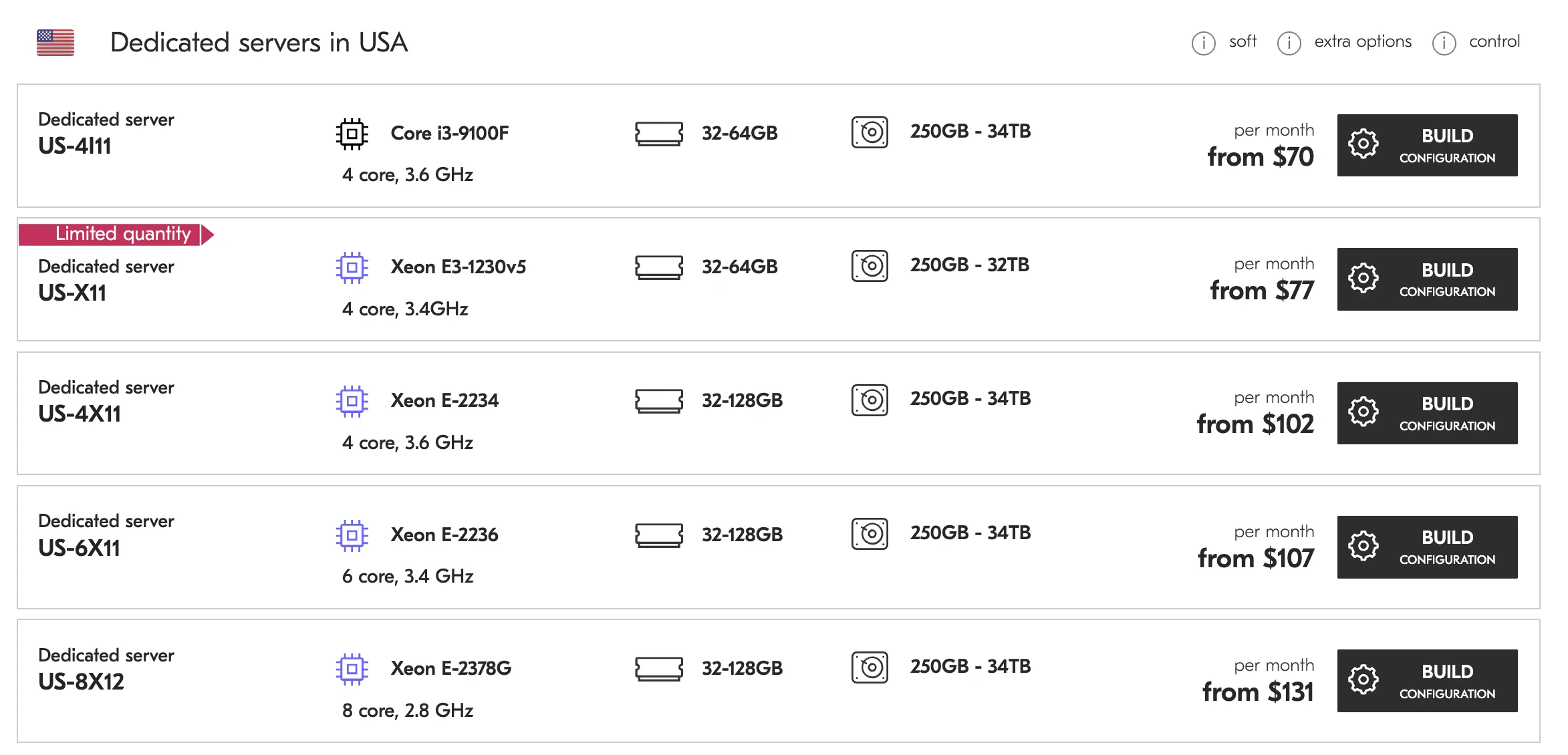
The picture from - https://deltahost.com/dedicated.html
🧰 What to Consider Before Switching
1. Budget
Dedicated servers aren’t cheap. But they’re not outrageous either. Depending on your provider, you can get solid machines for $100–300/month. Compare that to the cost of lost business or developer hours spent firefighting — and it starts to look like a bargain.
2. Management overhead
With great power comes great responsibility. Dedicated servers require more hands-on management. You’ll need to handle updates, security patches, backups. Unless you go for a managed dedicated server — which is a nice middle ground.
3. Migration planning
Don’t just yank your app off the VPS and hope for the best. Plan the move. Test on staging. Monitor performance. And make sure your DNS, SSL, and database configs are ready for the switch.
🤯 The Emotional Side — Letting Go of the VPS Comfort Zone
Here’s the thing nobody tells you: switching to a dedicated server feels like a big step. It’s like moving out of your parents’ house. You’re excited, but also nervous. What if something breaks? What if you mess up the configs?
Totally normal. But also — totally worth it.
Because once you make the leap, you’ll wonder why you waited so long. Your app will run smoother. Your users will be happier. And you’ll sleep better knowing your infrastructure isn’t held together with virtual duct tape.
🏁 Conclusion: So, Should You Switch?
If you’re asking the question, you probably already know the answer.
Yes — if your app is growing, your VPS is groaning, and you need more control, stability, and performance.
Yes — if you’re tired of unpredictable resource sharing and want your own sandbox.
Yes — if you’re ready to treat your infrastructure like the mission-critical foundation it is.
And hey — I’m not saying VPS is bad. It’s a fantastic starting point. But like all good things, it has its limits. And when you hit them, don’t hesitate. Step up. Go dedicated. Your future self will thank you.
So here’s my friendly nudge: take a look at your current setup. Run some benchmarks. Check your uptime. And if things feel tight — maybe it’s time to upgrade your ride.
Good luck out there. And may your servers be ever stable.
Andrew K. writes:
I switched from VPS to a dedicated server after constant lag and unpredictable performance. The difference is night and day. Everything runs smoother, and I finally stopped waking up to emergency alerts. Totally worth it.
Rating: 5/5 ⭐️ — Helpful
Maria L. writes:
I hesitated for months before upgrading to a dedicated server. My SaaS app was growing fast, and VPS just couldn’t keep up. After the switch, database queries sped up, and user complaints dropped. Yes, it costs more — but it’s an investment, not an expense.
Rating: 4.5/5 ⭐️ — Very helpful
Jason T. writes:
We run machine learning models and real-time analytics — VPS was choking constantly. Dedicated hosting gave us the horsepower we needed. No more throttling, no more mystery slowdowns. If you’re serious about performance, don’t wait.
Rating: 5/5 ⭐️ — Helpful
Lena V. writes:
Dedicated servers are great - https://deltahost.com/dedicated.html, but be ready for more hands-on management. I had to learn a lot about security and backups. Still, the control and stability are unmatched. No regrets — just be prepared.
Rating: 4/5 ⭐️ — Helpful
Tom R. writes:
Honestly, I waited too long. My VPS was crashing during traffic spikes, and I kept patching things instead of upgrading. After moving to dedicated, everything stabilized. Lesson learned: don’t wait for disaster to scale.
Rating: 5/5 ⭐️ — Extremely helpful