
Smart Upgrades That Legally Boost Your Property Income and Value This Year
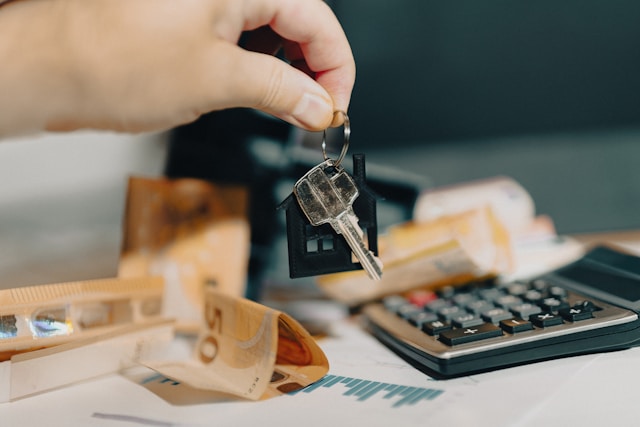
Property investors have spent a lot of time worrying about regulatory change over the past few years. Stronger tenant protections, tighter compliance requirements, and restrictions around rent increases have led some landlords to assume profitability is becoming harder to achieve.
In reality, the most successful investors are simply changing their approach. The days of relying on market shortages or tenant turnover to drive income are fading. Today's rental market rewards property owners who create genuinely better assets. If a property offers lower running costs, greater convenience, stronger reliability, and a better living experience, tenants are often willing to pay a premium and stay longer.
Invest in energy efficiency before it becomes mandatory
Energy performance is rapidly becoming one of the most important factors affecting rental property values. Tenants are paying close attention to utility costs, and governments continue introducing stricter environmental standards. Properties with poor efficiency ratings may eventually require expensive upgrades simply to remain competitive.
Forward-thinking landlords are acting early. Improved insulation, heat pumps, solar panels, and battery storage systems can significantly reduce operating costs for tenants while making a property more attractive to future buyers. Lower monthly bills create a powerful incentive for tenants to remain in place longer, helping reduce costly vacancy periods.
In many markets, energy-efficient homes are already commanding stronger resale values than comparable properties with outdated systems.
Create a smarter rental experience
Modern tenants increasingly expect technology to simplify everyday life. Smart thermostats, integrated lighting controls, and keyless entry systems all contribute to a more convenient living environment. These upgrades often deliver value far beyond their installation cost because they improve both tenant satisfaction and property management efficiency.
For landlords managing multiple units, combining smart home systems with rental management software creates an even stronger operational advantage. Digital maintenance requests, automated reminders, online document storage, and streamlined communication reduce administrative burdens while helping maintain accurate records for compliance purposes.
Think like an asset manager, not just a landlord
Many investors still focus heavily on short-term rental income, but the strongest portfolios focus on long-term asset performance instead. That means viewing upgrades through the lens of tenant retention, risk reduction, compliance readiness, and future resale value. Resources such as a landlord compliance and Rent Reform guide highlight the importance of proactive planning rather than reactive problem-solving.
The landlords thriving in today's market use change as an opportunity to improve their properties, strengthen operations, and create assets that tenants genuinely want to stay in for years. That's often the most reliable way to increase both rental income and property value at the same time.
Design for how people actually live and work
Remote and hybrid work have permanently changed what many renters value. A spare corner, awkward alcove, or unused landing can often be transformed into a dedicated workspace with surprisingly little investment. Built-in desks, integrated charging points, improved lighting, and simple acoustic treatments help create a professional environment that appeals to modern tenants.
Properties that support flexible working often stand out more clearly in competitive markets. When tenants compare similar listings, practical lifestyle features frequently influence their decision-making process. Differentiation matters, especially when pricing must be transparent and justified by the property's actual features.