
What Should You Consider Before Replacing Your Door Hardware?
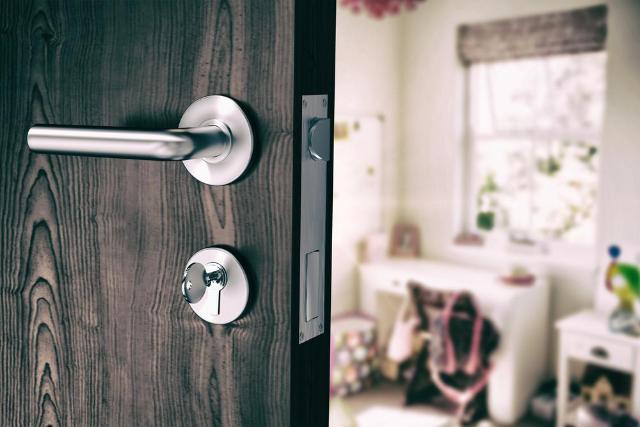
Image Source: depositphotos.com
Replacing door hardware is a relatively small home improvement project, but choosing the right pieces involves more than picking a finish you like. Before buying anything, consider the door’s function, existing measurements, lock type, style, security needs, and installation requirements. Taking a few minutes to check these details can prevent mismatched hardware, unnecessary drilling, and frustrating returns.
Door knobs, levers, deadbolts, handlesets, and hinges all have different jobs, and the right choice depends on where the hardware will be installed. Whether you are updating one tired-looking door or refreshing hardware throughout the house, a little planning makes the process much easier. Direct Door Hardware, an established hardware distributor. can be a useful reference point when comparing different types of door hardware and finishes.
What type of door hardware are you actually replacing?
The first question is surprisingly important: what exactly needs to be replaced?
A typical home may have several different types of hardware. Exterior doors often use a combination of a handleset, knob or lever, and deadbolt. Interior bedrooms and bathrooms generally require privacy hardware, while hallway and closet doors may only need passage or non-locking hardware.
There are also dummy knobs and levers, which are designed for doors that do not require a functioning latch. Pocket doors may use specialized pulls and locks rather than conventional knobs or levers.
Before ordering, walk through the house and make a simple list of the doors you want to update. Note what is installed on each one and how the door is currently used. This helps you avoid ordering a passage knob for a bathroom door or a locking product for a closet that does not need one.
How do you know whether the new hardware will fit the door?
Compatibility should come before appearance.
One of the easiest mistakes to make is assuming that all door hardware uses the same dimensions. In reality, doors can differ in thickness, backset, bore size, and preparation. The backset is the distance from the edge of the door to the center of the knob or lever opening, and common measurements include 2 3/8 inches and 2 3/4 inches.
You should also check the thickness of the door. Standard residential interior and exterior doors often fall within certain common ranges, but older, custom, or unusually thick doors may require hardware designed for a specific measurement.
If you are replacing existing hardware rather than installing it on a new door, measure what you already have before placing an order. Taking photos of the existing latch, strike plate, and holes can also make product comparison easier.
Should you choose knobs or levers?
Both options can work well, but they feel different in everyday use.
Door knobs have a traditional appearance and remain a popular choice for many homes. They can work particularly well in classic or transitional interiors where rounded shapes complement the surrounding design.
Levers, meanwhile, are often easier to operate because they can be pushed down rather than gripped and turned. That can be useful when your hands are full or for household members who find twisting a knob uncomfortable.
The decision ultimately comes down to personal preference, accessibility, and the style of the home. If you are replacing hardware throughout several rooms, you can also use a combination of knobs and levers while keeping the finishes consistent.
What function does each interior door need?
Not every interior door needs a lock.
Privacy hardware is commonly used on bedrooms and bathrooms because it provides a basic level of privacy without functioning as a high-security lock. Passage hardware is more appropriate for spaces such as hallways, living rooms, and closets where locking is unnecessary.
Then there are keyed locks and other locking options intended for situations where stronger access control is needed.
Think about how each room is used before choosing the hardware. A home office, for example, may benefit from a locking door if privacy is important. A linen closet probably does not need the same setup.
Making this distinction room by room can also save money. There is little reason to install more complicated locking hardware where a simple passage function will do.
Which finish should you choose?
Finish is one of the most visible decisions, and it can dramatically influence the overall look of a room.
Popular options include satin nickel, polished chrome, matte black, oil-rubbed bronze, and various brass finishes. The right choice depends partly on the home's existing fixtures. Look at faucets, cabinet pulls, lighting, hinges, and other visible metal details before deciding.
Matching everything perfectly is not always necessary. In fact, thoughtfully combining finishes can create a more layered interior. However, completely unrelated finishes placed close together can make a room feel less coordinated.
Consider the style as well. Matte black can complement contemporary interiors, while brass may suit traditional or vintage-inspired spaces. Satin nickel tends to be versatile and works comfortably across several decorating styles.
Rather than choosing a finish solely because it looks good in a product photograph, think about how it will interact with the rest of the room.
Does exterior door hardware require extra security consideration?
Yes. Exterior doors deserve more attention than interior doors because the hardware is part of the home's overall entry security.
When replacing an exterior setup, consider the deadbolt, locking mechanism, strike, and the condition of the door frame. A new decorative handleset does not automatically make an entry more secure if the surrounding door or frame has weaknesses.
You may also want to consider whether a traditional keyed deadbolt, electronic lock, or smart lock makes sense for your household. Smart locks can provide features such as keyless entry and temporary access codes, while conventional locks remain straightforward and familiar.
Security needs vary from one property to another, so focus on the features that actually fit your situation rather than choosing hardware based purely on appearance.
Can you replace the hardware without replacing the whole door?
In many cases, yes.
One advantage of replacing hardware is that you can change the appearance and function of a door without taking on the cost and disruption of replacing the door itself. If the door is structurally sound and the existing holes can accommodate the new hardware, the project may be relatively straightforward.
However, older doors can present compatibility issues. Existing holes may not align with modern hardware, and previous installations may have left extra marks or damage around the latch and strike.
Before purchasing, compare the specifications of the replacement hardware with the existing door preparation. If the measurements do not match, you may need additional work to install the new product correctly.
What if you are replacing hardware throughout the entire house?
A whole-house update requires a little more planning than changing one door.
Start by deciding which elements you want to keep consistent. You might use the same finish throughout the house while selecting different functions for bedrooms, bathrooms, closets, and exterior doors. Alternatively, you could use one finish in common areas and another in a separate section of the home.
Create a room-by-room inventory before shopping. Record the number of doors, the type of hardware currently installed, the required function, and any measurements that could affect compatibility.
This approach is particularly helpful when purchasing several products at once. It reduces the likelihood of discovering halfway through the project that one bathroom door needs a different lock or that an exterior door requires a different configuration.
For a broad selection of residential door hardware, Direct Door Hardware offers products across categories such as knobs, levers, locks, deadbolts, and related hardware. Comparing categories before deciding can make it easier to build a consistent hardware plan without treating every door as if it has identical requirements.
Should you replace hinges at the same time?
It depends on their condition and the scope of the project.
If the existing hinges are damaged, noisy, loose, or visibly worn, replacing them while updating the door hardware can make sense. New hinges can also help create a more coordinated appearance when the old hinges have a noticeably different finish.
On the other hand, there is no automatic need to replace perfectly functional hinges simply because you are installing a new knob or lever.
Check whether the hinge size, corner style, screw pattern, and finish work with the door. Exterior or heavy doors may also require hinges with specifications appropriate to their weight and use.
How important is the brand?
Brand can matter, particularly when you are looking for a specific style, finish, warranty, or compatibility requirement.
Well-known hardware manufacturers often offer extensive product lines, making it easier to coordinate a home's hardware across several rooms. Brand selection can also be useful when replacing one item later because matching products may remain available.
Still, brand recognition should not replace checking the actual specifications. A familiar name does not mean every product will fit every door.
When comparing options, look at dimensions, functions, materials, finish, installation requirements, and manufacturer information. Those details provide a more practical basis for making a decision.
What installation mistakes should you avoid?
Even relatively simple hardware projects can go wrong when measurements or door preparation are overlooked.
One common mistake is ordering based only on the product's appearance. Another is failing to check whether the latch and strike will align properly. Rushing installation can also lead to stripped screws, damaged finishes, or hardware that sits unevenly.
Before installation, read the manufacturer's instructions and gather the appropriate tools. Keep the old hardware nearby until the replacement has been fully tested.
After installation, operate the door several times. Check that the latch moves smoothly, the door closes properly, and any lock engages without excessive force. For exterior doors, test both the inside and outside operation before considering the job finished.
When should you hire a professional?
Many standard interior hardware replacements are manageable as DIY projects, particularly when the new hardware matches the existing door preparation.
Professional help becomes more useful when the door requires substantial modification, the frame is damaged, or the installation involves more complicated locking systems. Exterior security hardware may also deserve professional attention if you are uncertain about proper installation.
There is no benefit to rushing a project simply because it appears small. A poorly aligned latch or improperly installed lock can create bigger problems later.
Frequently Asked Questions
Do all door knobs and levers fit the same doors?
No. Door thickness, backset, bore size, and existing preparation can affect compatibility. Always check the product specifications and measure the door before ordering.
Is a lever easier to use than a knob?
For many people, yes, because a lever can generally be operated by pressing it downward instead of gripping and twisting. However, both styles can be practical depending on the room and household preferences.
Should all door hardware in a house match?
It does not have to match perfectly, but a consistent approach usually creates a more intentional look. Keeping finishes coordinated while selecting different functions for different rooms is one practical way to achieve that balance.
Can I install new door hardware myself?
Many straightforward replacements can be handled with basic tools and careful attention to the manufacturer's instructions. If the door needs significant modification or the locking system is complicated, professional installation may be the safer choice.
Choosing new door hardware is ultimately about balancing appearance with everyday function. Start by identifying what each door needs, then check the measurements, lock function, installation requirements, and finish before placing an order. That simple process can prevent many of the common problems associated with hardware replacement.
Once those basics are clear, shopping becomes much less complicated. You can compare products based on what the door actually requires rather than choosing something simply because it looks attractive online. Direct Door Hardware provides another option for homeowners and professionals researching door hardware categories, and its range can be considered alongside the specific measurements and functions required for each project.
Most importantly, take your time before ordering. Measure twice, compare specifications carefully, and think about how the hardware will be used every day. With those steps in place, replacing door hardware can be a manageable upgrade that improves both the appearance and practicality of your home.