
Why Modern Data Centers Require Better Insulation Strategies for Continuous Uptime
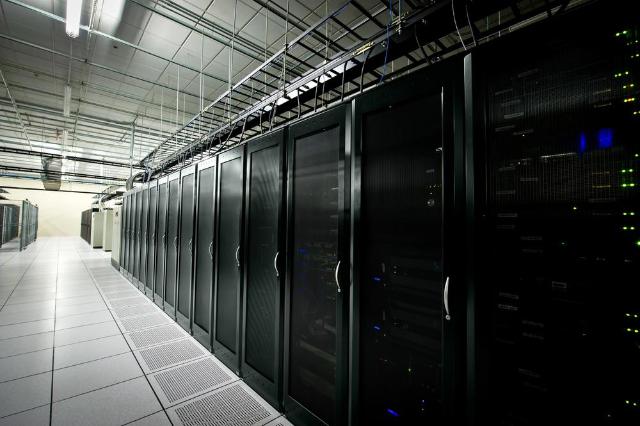
Image Source: depositphotos.com
From streaming platforms to banking networks, today’s digital demands rest on advanced facilities that operate without pause. With companies relying heavily on constant connectivity, stability within these environments matters more than ever before. A short disruption might result not only in monetary setbacks but also slower workflows and weakened confidence among users. Although computing hardware, climate controls, and emergency energy sources typically dominate discussions, protective layering quietly contributes just as much to seamless performance.
The Importance of Stable Environmental Conditions
Thousands of servers running nonstop produce large volumes of heat within data centers. To avoid damage, temperature stability indoors is essential. Cooling functions more efficiently when insulation limits external thermal influence. Equipment remains protected under steady internal conditions due to reduced strain on climate controls.
When temperatures shift often, electronics tend to wear out faster alongside higher chances of sudden breakdowns. Because insulation manages outside climate impacts, indoor areas stay more stable. With steady surroundings, delicate systems operate better without developing overheated zones across the site.
The Relationship Between Insulation and Energy Efficiency
Energy demands rise significantly when data center cooling runs inefficiently. Poor insulation allows cooled air to leak out, at the same time letting external warmth seep into the facility. As a result, climate control units must work extended hours under higher loads. Greater power draw follows directly from these prolonged cycles, elevating both consumption figures and running expenses.
Energy waste drops when better insulation strengthens the building’s outer layer. Efficiency gains in cooling technology lead to cost savings alongside environmental targets. Equipment lasts longer because less stress builds up in key components.
Keeping Gear Safe from Damp Issues
Where electronics are stored, dampness often becomes a problem. When temperatures shift across walls and ceilings, inadequate barriers allow droplets to form. High humidity levels open the door to rust, malfunctions, circuits failing - losses add up fast. Equipment worth significant value faces risk under these conditions.
A well-insulated building keeps surfaces at stable temperatures, lowering condensation likelihood. Because of this stability, servers, network hardware, and electrical components operate under safer conditions. When dampness is controlled, servicing needs drop - equipment lasts longer without sudden failures. Fewer repairs occur when humidity does not compromise internal parts.
Supporting Reliable Building Performance
Operational reliability over time depends on material choices within today's data centers. Because temperature shifts outdoors can be severe, stable indoor environments matter greatly. Where seasons bring intense variation, resilience in construction proves essential. The building envelope gains strength when insulation resists wear across years. Consistent internal climates emerge - not by chance, but through careful selection of protective layers.
Outside walls at numerous sites increasingly feature insulated metal panels due to their ability to maintain temperature alongside strength. Their presence often limits airflow through gaps, yet also contributes to stable indoor conditions - important where operations run without pause across seasons.
Reducing Operational Risks
Reliability within a data center depends on each individual part playing its role. Although sensors notice shifts in heat or moisture, stopping trouble before it begins typically brings stronger results. Environmental stability improves when insulation limits variation, easing stress on hardware over time.
Stable indoor climates matter to property managers when crises unfold. When main electricity fails, yet generators take over, consistent cooling prevents disruptions across vital equipment. Temperature control becomes essential - especially as stress on systems rises unexpectedly.
Meeting today's building standards
With growth in digital systems, demands on buildings grow too. Because of this shift, modern structures focus more on saving power, handling stress, then lasting longer under load. A key part behind such results lies within superior insulating materials - these help meet strict needs tied to advanced data operations.
Often, construction crews assess materials based on consistent heat resistance paired with straightforward setup. For numerous builds, imp panels stand out - these units boost energy efficiency without compromising structural strength. When choices in material happen early in planning, advantages tend to last across years of operation.
Planning Ahead for What Tech Might Come Next
Modern data centers face growing demand for computation due to advancements in artificial intelligence, cloud services, together with powerful computing systems. Because equipment packs greater power into smaller spaces, temperatures rise sharply throughout installations. Still, improved insulation helps manage rising heat levels by reducing strain otherwise imposed on climate control mechanisms.
Should needs grow later, adjustments remain simpler if the structure already manages climate efficiently. Where insulation performs well, buildings respond more smoothly to shifts in tech demands, all while supporting steady digital availability for users who rely on consistent connectivity.
Conclusion
Most overlook how structure affects performance, yet thermal consistency stems directly from insulation quality. Instead of focusing only on hardware capacity or redundant grids, attention shifts toward enclosure integrity - slowing heat transfer means fewer system fluctuations. Without stable indoor climates, even top tier machines face stress over time. Equipment lasts longer when humidity stays low and temperatures stay balanced, outcomes linked closely to material choices during construction. Downtime risks shrink when external conditions matter less to internal operations. Digital demand grows steadily; facilities built with foresight handle load changes without constant recalibration. Confidence in operation emerges not just from technology but also from passive design decisions made early. Longevity shows up where prevention takes priority over repair.