Operations | Monitoring | ITSM | DevOps | Cloud

Using AI to Instrument Applications with OpenTelemetry

OpenTelemetry is one of the best things that’s happened to observability in the last decade. It’s open. It has SDKs for every language that matters. It’s vendor neutral. The OTel community has been doing the hard work of standardizing how applications emit telemetry, so that you, the engineer, don’t have to learn five different agent formats to monitor five different services.

Pull Request Velocity as a Proxy for AI Usage for Software Development

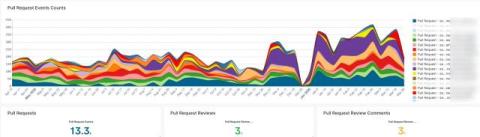
While AI have usage has been growing steadily for the last several years, the LLM models noticeably improved around the end of 2025. Specifically, they become more viable for software development. We are seeing the results. The feature and product delivery has picked up. One way to visualize this is by looking at the number of pull requests for your organization / software development teams. This chart shows the number of Github pull requests created by a team. Can you spot when AI usage increased?

OpenTelemetry Production Monitoring: What Breaks, and How to Prevent It

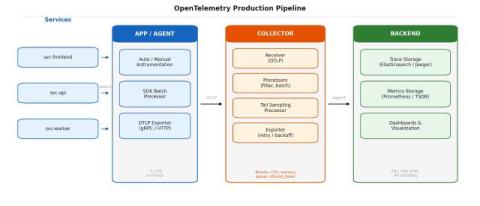
OpenTelemetry almost always works beautifully in staging, demos, and videos. You enable auto-instrumentation, spans appear, metrics flow, the collector starts, and dashboards light up. Everything looks clean and predictable. However, production has a way of humbling even the most carefully prepared setups. When real traffic hits, and it always spikes sooner or later, you start seeing dropped spans.

Troubleshooting Microservices with OpenTelemetry Distributed Tracing

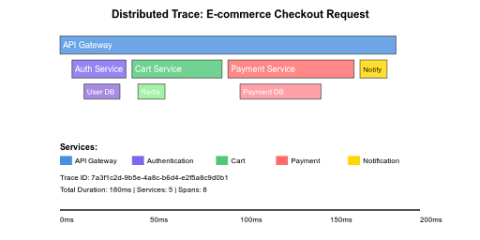
Distributed tracing doesn’t just show you what happened. It shows you why things broke. While logs tell you a service returned a 500 error and metrics show latency spiked, only traces reveal the full chain of causation: the upstream timeout that triggered a retry storm, the N+1 query pattern that saturated your connection pool, or the missing cache hit that turned a 50ms call into a 3-second database roundtrip.

OpenTelemetry in Production: Design for Order, High Signal, Low Noise, and Survival

A lot of talk around OpenTelemetry has to do with instrumentation, especially auto-instrumentation, about OTel being vendor neutral, being open and a defacto standard. But how you use the final output of OTel is what makes business difference. In other words, how do you use it to make your life as an SRE/DevOps/biz person easier? How do you have to set things up to truly solve production issues faster?

How to Implement Distributed Tracing in Microservices with OpenTelemetry Auto-Instrumentation

This guide shows you how to implement OpenTelemetry’s auto-instrumentation for complete distributed tracing across your microservices, from initial setup through production optimization and troubleshooting.

OpenTelemetry Instrumentation Best Practices for Microservices Observability

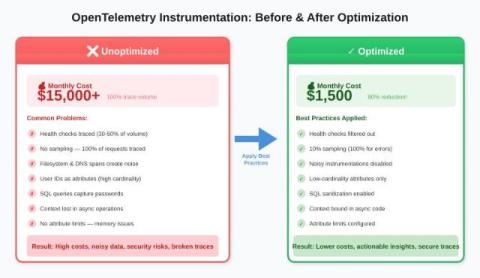
OpenTelemetry instrumentation is the foundation of modern microservices observability, but getting it right in production requires more than just enabling auto-instrumentation. This guide covers production-tested OpenTelemetry best practices that help engineering teams achieve reliable distributed tracing, control observability costs, and extract maximum value from their telemetry data.

Top 12 Distributed Tracing Tools in 2026: Complete Comparison & Reviews

Distributed tracing has become essential for modern software teams. As applications evolve into complex distributed systems with microservices, APIs, databases, and third-party integrations, understanding how a single user request travels through your entire stack is no longer optional, it’s critical for maintaining performance, reliability, and user satisfaction.

13 Best Windows Monitoring Tools in 2025

It’s 2 AM, and your phone buzzes with an urgent alert—your primary server application is down, and users are flooding the support channels with complaints. As you dive into the logs, the cause is elusive, buried somewhere in the sea of system events. Is it a rogue service eating up memory? A failing disk? Or a network bottleneck? Without powerful Windows monitoring tools, you’re left troubleshooting in the dark.

Best Web Transaction Monitoring Tools in 2025

Websites are no longer static pages. They’re dynamic, transaction-heavy ecosystems where every click, form submission, and login matters. Whether you’re in e-commerce, SaaS, or finance, transaction failures can lead to revenue loss, frustrated customers, and even damage to your brand. That’s where web transaction monitoring tools come in — a critical component to make sure every interaction goes smoothly.