
AI Assistants: Revolutionizing How We Work, Learn, and Live
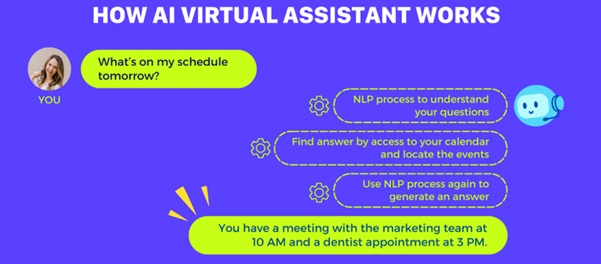
In today’s fast-paced digital world, artificial intelligence (AI) is transforming industries and reshaping the way we interact with technology. Among the most impactful AI innovations are AI assistants, virtual tools designed to help users streamline tasks, improve productivity, and enhance decision-making. These intelligent assistants are no longer just futuristic concepts; they are real, practical, and accessible to individuals and businesses alike.
From automating repetitive tasks to providing personalized recommendations, AI assistants have become indispensable in modern life. This article explores the world of AI assistants in depth, highlighting their features, benefits, applications, and the future potential of these cutting-edge technologies.
What Is an AI Assistant?
An AI assistant is a software program powered by artificial intelligence that can perform tasks, answer questions, and assist users in various ways. Unlike traditional software, AI assistants are designed to understand natural language, learn from user interactions, and provide intelligent responses based on data analysis and contextual understanding.
AI assistants can be found in multiple forms, including:
- Voice Assistants: Examples include Amazon Alexa, Google Assistant, and Apple’s Siri. These tools respond to spoken commands.
- Text-based Chatbots: These appear on websites, apps, or messaging platforms and interact via typed text.
- Enterprise AI Assistants: Designed for business use, helping teams with scheduling, data analysis, or customer support.
Key Features of Modern AI Assistants
Modern AI assistants are sophisticated and offer a wide array of features that make them highly functional and valuable:
- Natural Language Processing (NLP): AI assistants can understand and interpret human language, enabling them to respond in ways that feel natural.
- Context Awareness: They can remember past interactions and provide contextually relevant information.
- Task Automation: AI assistants can handle repetitive tasks such as scheduling meetings, sending reminders, or managing emails.
- Data Analysis: Some AI assistants analyze large volumes of data to provide actionable insights.
- Integration with Applications: They can connect to various apps and platforms, creating a seamless workflow for users.
Benefits of Using AI Assistants
The rise of AI assistants has brought numerous benefits for both individuals and organizations:
1. Enhanced Productivity
AI assistants help users focus on high-priority tasks by taking care of repetitive and time-consuming activities. For businesses, this translates into more efficient workflows and reduced operational costs.
2. 24/7 Availability
Unlike humans, AI assistants never need breaks. They can provide assistance around the clock, ensuring users have continuous support for tasks and queries.
3. Personalized Experience
AI assistants learn from user behavior, tailoring suggestions and actions to meet individual preferences. This personalization improves user satisfaction and efficiency.
4. Better Decision-Making
By analyzing data and presenting insights, AI assistants enable informed decisions. They can detect patterns, forecast trends, and suggest optimized actions.
5. Cost Savings
Businesses using AI assistants can reduce the need for extensive human resources in customer support, administrative roles, or data management, cutting operational costs significantly.
Applications of AI Assistants
AI assistants are no longer limited to simple tasks—they are transforming multiple domains, including:
1. Business and Enterprise
- Customer Support: AI chatbots handle inquiries, provide solutions, and escalate complex issues to human agents.
- Task Management: Scheduling meetings, sending reminders, and automating workflows.
- Data Analysis: AI assistants process large datasets to extract meaningful insights for strategy development.
2. Healthcare
- Virtual Health Assistants: Help patients track symptoms, schedule appointments, and provide medical advice.
- Data Interpretation: Assist doctors in diagnosing conditions by analyzing medical records and research.
3. Education
- Personal Tutors: AI assistants provide learning guidance, explain concepts, and track progress.
- Administrative Support: Handle student queries, manage timetables, and grade assessments.
4. Personal Use
- Smart Homes: Control lighting, temperature, security, and entertainment systems.
- Daily Assistance: Help manage calendars, reminders, shopping lists, and more.
Challenges and Ethical Considerations
Despite the benefits, AI assistants also present certain challenges:
- Privacy Concerns: AI assistants often access sensitive personal and business data, raising privacy risks.
- Dependence on Technology: Over-reliance on AI could reduce critical thinking or problem-solving skills.
- Bias in AI: AI systems may inherit biases from the data they are trained on, affecting fairness in decision-making.
- Job Displacement: Automation of repetitive tasks can reduce the demand for certain human roles.
Addressing these challenges requires responsible AI development, transparent policies, and continual monitoring to ensure ethical usage.
The Future of AI Assistants
The future of AI assistants is promising, with innovations expected to enhance their capabilities further:
- Hyper-Personalization: AI assistants will become even more intuitive, understanding emotional context and user moods.
- Advanced Multimodal Interactions: Combining text, voice, image, and gesture recognition for seamless interactions.
- Collaborative AI: AI assistants will work alongside humans in more complex tasks, offering support rather than replacement.
- Predictive Assistance: AI will proactively suggest actions before users request them, anticipating needs.
As AI technology continues to evolve, AI assistants will become integral to how we live, work, and interact with the digital world.
Q&A Section
Q1: Are AI assistants only useful for businesses?
A1: No. AI assistants benefit both individuals and businesses. They help manage tasks, provide insights, and offer personalized recommendations for daily life and professional activities.
Q2: Can AI assistants replace human jobs completely?
A2: While AI assistants automate repetitive tasks, they complement human work rather than fully replace it. Jobs requiring creativity, critical thinking, and emotional intelligence remain human-driven.
Q3: How secure are AI assistants?
A3: Security depends on the platform and implementation. Reputable AI assistants use encryption, data anonymization, and privacy controls to protect user information. Users should always review privacy policies before adoption.
Q4: Can AI assistants learn from users over time?
A4: Yes. Most AI assistants utilize machine learning to adapt based on user behavior, preferences, and interaction patterns, making them more effective and personalized over time.
Q5: What industries benefit the most from AI assistants?
A5: Almost every industry can benefit, but major adopters include healthcare, finance, education, customer service, and enterprise management.
Conclusion
AI assistants are revolutionizing the way we work, learn, and live. By offering enhanced productivity, personalized experiences, and data-driven insights, they have become indispensable tools for individuals and businesses alike. As technology advances, AI assistants will become even more intelligent, proactive, and integrated into our daily routines, redefining efficiency and convenience.
For anyone looking to leverage AI technology in their personal or professional life, exploring AI assistants is a step toward a smarter, more efficient future.