
Strengthening Operational Performance in Modern Educational Environments
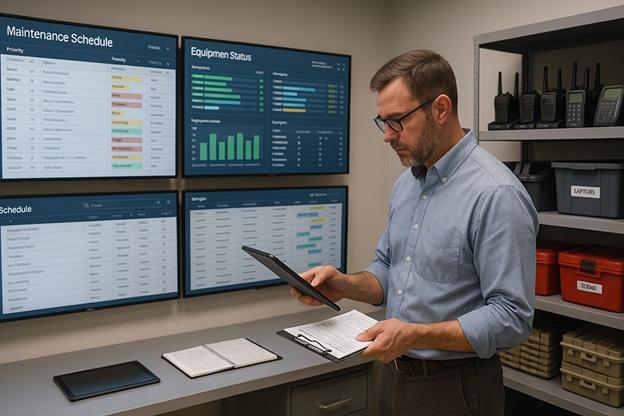
Educational institutions today face a growing need to modernize how they operate. As schools expand their technology usage, upgrade facilities, and manage rising expectations for safety and efficiency, operational systems become central to ensuring smooth day-to-day performance. The backbone of a reliable environment is no longer limited to traditional maintenance tasks—it now includes digital workflows, data-driven planning, and coordinated processes that support every corner of the campus. Schools that embrace these improvements operate with greater clarity, fewer disruptions, and improved long-term stability.
Across the education sector, leaders are recognizing that operations directly influence the learning experience. A classroom without functioning equipment hinders instruction. A delayed repair to a ventilation system affects comfort and focus. Even the reliability of shared resources—like lab tools or audiovisual devices—can alter how smoothly teachers deliver their lessons. Operations teams are therefore increasingly expected to integrate modern systems that create transparency, track performance, and reduce avoidable downtime.
This shift toward modernization is part of a larger cultural change. Institutions want better visibility, stronger planning, and more proactive strategies. In many schools, administrators are moving away from the reactive cycle that once dominated their workflows. Instead, they are adopting structured solutions that unify information, simplify reporting, and improve resource allocation. This is where school asset management becomes essential, helping educational teams track resources, anticipate needs, and avoid unnecessary spending through smarter, technology-driven processes.
The Expanding Scope of School Operations
The role of operations teams has never been broader. Schools manage a wide range of resources: computers, tablets, HVAC units, science equipment, safety gear, custodial supplies, playground assets, and thousands of instructional items. When these categories are handled separately, inefficiencies emerge. Items get misplaced, preventive maintenance is missed, and budgets stretch tighter each year.
Educational institutions are also expected to demonstrate greater accountability. District boards, regulatory agencies, and families all want reassurance that resources are being used responsibly. This requires transparent documentation, consistent schedules, and clear visibility into item conditions and future needs. Modern operations platforms offer this clarity by consolidating information that once lived across paper forms, email threads, and disconnected spreadsheets.
Moving From Reactive to Preventive Strategies
Historically, many schools relied on a reactive approach—fixing equipment only after it failed. This caused unpredictable costs, emergency repairs, and disruptions to learning environments. A broken air-conditioning system during a school day is not only inconvenient but can derail activities across multiple classrooms.
Preventive and predictive strategies address these challenges. By scheduling recurring tasks, tracking usage, and automating reminders, schools reduce emergency incidents and extend the lifespan of their equipment. Maintenance teams benefit from organized workloads, while administrators gain confidence that critical systems will remain reliable.
Predictive data also plays a growing role. When a platform records repair histories and performance patterns, it becomes possible to forecast future replacements more accurately. This improves budgeting and helps institutions plan ahead rather than responding to last-minute crises.
The Importance of Visibility in Decision-Making
Visibility is one of the most valuable advantages modern operations systems provide. Without it, schools risk unnecessary purchases, duplicate orders, and misplaced equipment. With clear monitoring, administrators quickly identify what they own, how often it is used, and what condition it is currently in.
This transparency is especially useful during yearly budget planning. Schools can allocate funds with confidence when they understand which equipment is nearing the end of its lifecycle, which devices are underutilized, and which departments require additional support. Data-driven insights reduce guesswork and allow teams to justify requests with accurate, up-to-date information.
Such visibility also improves accountability. Teachers can submit resource requests more easily. Maintenance teams can update task statuses in real time. Finance departments can track purchases and ensure assets are used effectively. The entire ecosystem becomes more aligned.
Building Reliability Through Smarter Infrastructure
Reliable infrastructure is a foundational requirement for educational success. Students and staff depend on consistent access to functioning tools, comfortable environments, and safe facilities. When operational systems break down, it disrupts learning momentum and strains staff resources.
Modern digital tools strengthen reliability by preserving institutional knowledge. Even as staff transition into new roles, maintenance schedules, warranty data, and repair histories remain documented. This continuity ensures that schools do not lose valuable information due to personnel changes.
Integration also contributes to better cohesion. When platforms unify work orders, inventory data, and performance tracking, schools gain a complete view of their operations. This reduces blind spots, accelerates decision-making, and enables more efficient planning. Institutions that adopt integrated systems operate with greater agility and fewer unexpected setbacks.
Another important outcome is sustainability. When assets are properly maintained and strategically replaced, waste is reduced and energy efficiency increases. These improvements support long-term cost savings and align with broader environmental goals.
This extends to the outside of your school, too. Employees and teachers need parking spaces at various times and students need an outdoor recreational area. These need to be well-designed and functional, and you’ll even need to protect them from the elements. Thankfully, companies like Alotek Shelters specialise in this, so having smarter external infrastructure shouldn’t be hard.
Preparing for the Future of Operational Excellence
As schools continue to grow more technologically advanced, the need for streamlined operational frameworks will only intensify. Reliable systems empower administrators to focus on academic improvement rather than crisis management. Teachers benefit from smoother lesson delivery. Students thrive in well-maintained, predictable environments.
Investing in stronger operations is not a short-term effort—it represents a long-term commitment to institutional stability. Solutions that support data centralization, maintenance planning, and resource tracking will remain essential as educational environments become more complex. For many institutions, the flexibility and scalability of digital platforms allow them to evolve without being overwhelmed by growing demands.
When implemented effectively, strategic processes and modern tools reinforce accountability, reduce downtime, and enhance decision-making. Schools that embrace this transformation will remain resilient, efficient, and future-ready. These advancements strengthen the core of campus operations, ensuring that teams work cohesively and proactively through well-structured systems built around effective school asset management.