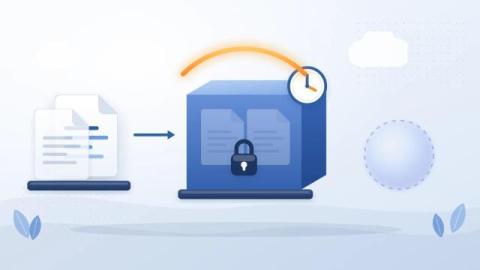
What is Exchange Online Archiving? Microsoft's EOA gives users an in-place archive mailbox - here's what it costs, what it covers, and where it leaves gaps.
Network Attached Storage (NAS) is a dedicated storage device connected to a network that allows multiple users and devices to store and access data from a central location. It is a popular method for extra data privacy, as everything is stored on the device you own and can’t be accessed by anyone, making it a popular alternative to Google Drive, OneDrive, and other big tech companies.
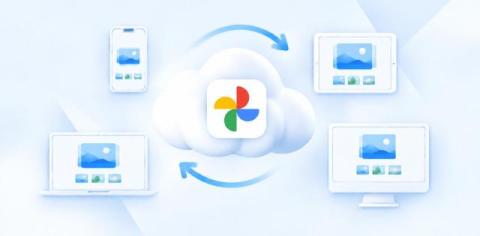
Cloud data migration is an important topic for enterprises and businesses as it helps companies switch to a more affordable, scalable, and secure data storage method compared to on-premises storage. To help understand this topic, we will cover everything you need to know about cloud data migration, including.
NAS (Network Attached Storage) is becoming a popular storage method for people to take control over their data and move away from cloud storage companies that take advantage of their data for their own profits. Although cloud storage is the mainstream storage option for families, businesses, and personal use, NAS storage is an option many are choosing due to more control over where data resides.
Today, roughly 94% of enterprises are projected to use some form of cloud service, with 82% adopting hybrid models that combine cloud and on-premises infrastructure. By 2030, around 60% of all corporate data is expected to be stored in the cloud, highlighting a major shift away from traditional storage systems toward distributed, on-demand infrastructure. With such a huge amount of data, companies need a scalable, affordable, and secure method to store 1 PB.
Whether you’re a small start-up or a large-scale enterprise, data storage and backups are a necessity for a business to run smoothly. While many businesses may need on-premises storage for maximum control, this can be expensive, so if you’re wondering about the cloud migration cost savings when using a company like Internxt S3, this article will cover everything you need to help migrate or store data in the cloud.
This straightforward guide will help you understand GCP storage pricing without the jargon. Understanding where your cloud spend goes enables you to pinpoint who, why, and what drives your cloud costs. This visibility supports informed decisions about reducing unnecessary spend or increasing investment in high-return areas.
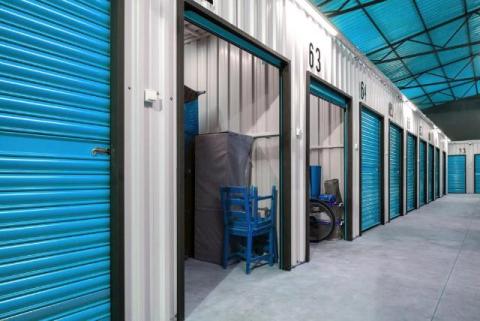
Finding extra room in a cramped home or business feels like a constant struggle. Technology now provides fresh ways to organize and track every square inch of your property. These advancements help you make the most of your current property. Smart tools help you see exactly where items sit and how much room remains open. These digital systems turn messy rooms into efficient zones for living or working. You can plan your storage needs with much greater precision than before.
AI has since become an integral part of our lives, whether it’s for work or personal use; we all use AI in some form or another. However, deciding which is the best AI depends on how you want to use it. Whether it's for general questions, coding, deep research, or image creation, we’re lucky enough that there is an AI model available to help you out.
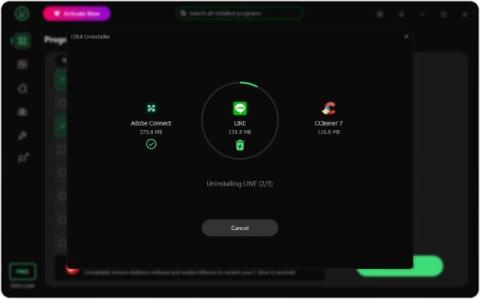
Sometimes, we need to do some spring cleaning when it comes to our devices, as over time, leftover files can be left on our devices, or junk files could be slowing down our computer and taking up our local storage. While you can clean up your device yourself, this can be time-consuming and risky, as you could delete an important file essential to keeping your device running.