In this podcast, our panellists discuss the foundations that any team needs to put in place when designing their incident management process. Starting from the basics of defining what we really mean by an incident, to how to set your severity levels, roles and statuses, Chris and Pete share their tips for building solid foundations to run your incidents.
Good incident management is critical to the successful running of any business. Get it wrong, and you risk damaging customer trust, brand reputation and, above all, your bottom line. In this article we’ll give you a 101 on incident management: what is it, why does it matter, and how can you do it well?
As usual, it’s been all systems go at incident.io this month. New joiners, new features and new swag (yes, you heard right!). But most excitingly, we launched our new podcast this week. We had a blast recording it - we hope you enjoy listening to it just as much. Here’s a round-up of some of this month's highlights…
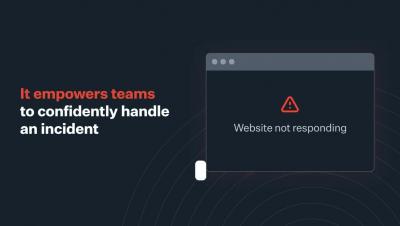
One of my favourite features in incident.io is Decision Flows. With it, you can create a series of questions which eventually lead to a decision based on what you’ve answered. You can pull up this flow during an incident and it’ll guide you through the questions. It’s like having an experienced on-caller calmly guide you through what to do when a crisis hits. This is complementary to incident.io’s Workflows feature.
You’ve probably heard the terms ITIL and ITSM, but the distinction between the two can be a little unclear. Throw incident management into the mix, and the whole thing can feel pretty confusing. This article aims to explain what they are, the differences between the three, and importantly how they fit together. First, let’s establish what each of the terms actually mean.
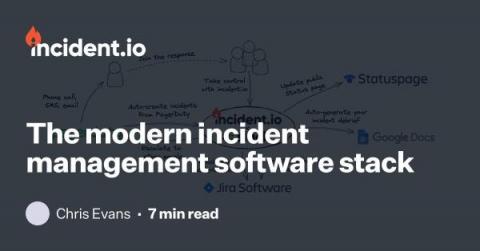
We’re fortunate enough to speak to a huge number of companies about their incident management processes. In doing so, we’ve noticed an emergent trend in how modern companies are using software to support their incident management processes, and a common set of challenges faced by them too.
Like most tech companies, we use an on-call rota and various alerting tools. We do this to respond to incidents before they’re reported. Proactively identifying issues and communicating to customers helps us provide great experiences and fosters trust. Internally, we’ve been using these alerting tools in tandem with our auto-create incidents feature. We’ve found that it’s made responding to the pager much smoother - it’s one less thing to do when you get paged at 2am.