Operations | Monitoring | ITSM | DevOps | Cloud

Node.js Monitoring in Serverless Environments - A Complete Guide

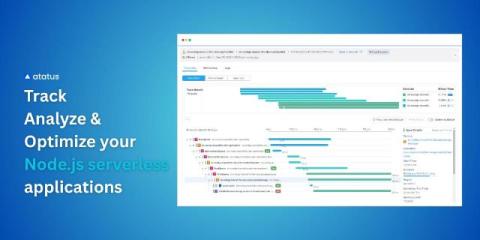
Serverless computing with Node.js is transforming how applications are built and scaled by removing the need to manage servers. However, serverless functions run for short durations and scale dynamically, making traditional monitoring ineffective. Effective monitoring is essential to track performance, detect errors, optimize cold starts, and control costs.
Why Does Your Node.js App Crash in Production and How Can You Fix it?

Node.js has become one of the most popular platforms for building scalable and high-performance web applications. Its event-driven, non-blocking I/O model allows developers to efficiently handle thousands of concurrent connections with minimal overhead. However, many businesses still face a critical challenge, Node.js applications often crash unexpectedly in production environments, causing downtime, lost revenue, and damage to brand reputation.

Diagnose slow database queries in Node.js: Why Monitoring is Essential?

Node.js is popular for building scalable applications because its non-blocking architecture can handle many requests at once. But when your app depends on a database, performance hinges on how efficiently queries run behind the scenes. Even a single slow database query can block the Node.js event loop, causing delayed responses, frustrated users, and cascading performance issues. Too often, teams only notice these problems after customers experience lag or timeouts.

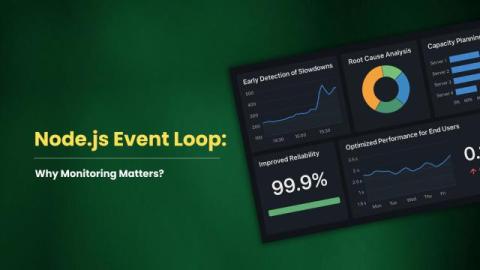
Node.js Event Loop: Why Monitoring Matters

Node.js has become a cornerstone for modern application development because of its non-blocking and asynchronous architecture. According to Stack Overflow Developer Survey, Node.js remains among the most widely used technologies for web applications, powering millions of services globally. While this event-driven model provides scalability and efficiency, it also introduces challenges.

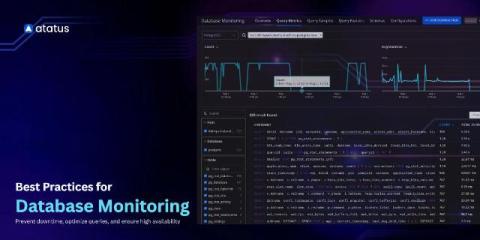
10 Best Practices for Proactive Database Performance Monitoring to Prevent Downtime

Databases are the core of modern applications, whether it is an e-commerce platform, a banking system, or a social media app. Slow database performance or unexpected downtime can cause serious problems, from lost revenue to poor customer experience. Proactive database performance monitoring helps teams identify issues before they escalate. Unlike reactive monitoring, which only addresses problems after they occur, proactive monitoring ensures your database remains fast, stable, and reliable.

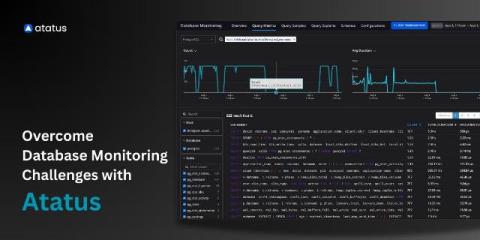
Database Monitoring Challenges Every DevOps Engineer Should Know

Databases form the critical foundation of modern applications, and maintaining their performance and reliability is essential for operational efficiency and user satisfaction. Effective database monitoring however presents numerous challenges. Modern systems produce extensive metrics, operate across diverse environments, and must scale in line with growing workloads, all while ensuring compliance and security.

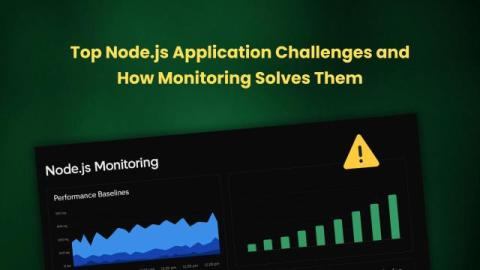
Top Node.js Application Challenges and How Monitoring Solves Them

Deploying a Node.js application may feel straightforward at first. Everything checks out in tests, staging runs smoothly, and early users run into no problems. But as real traffic ramps up, hidden problems start to appear in unexpected ways. Requests fail intermittently, latency spikes without warning, memory usage climbs silently, and logs are scattered across multiple processes making it nearly impossible to trace the root cause.

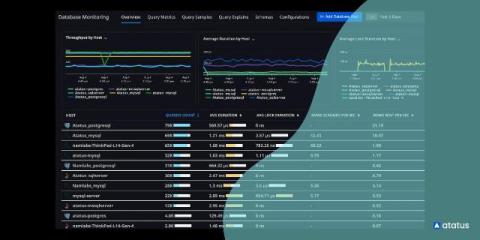
What is Database Monitoring? A Guide for Developers, DevOps, and SREs

Databases handle critical operations for applications, from online banking to e-commerce and streaming services. Any slowdown or failure can directly affect application performance and user experience. Database monitoring tracks performance, detects issues, and helps prevent downtime. It also ensures efficient use of resources, maintains security, and supports compliance requirements.

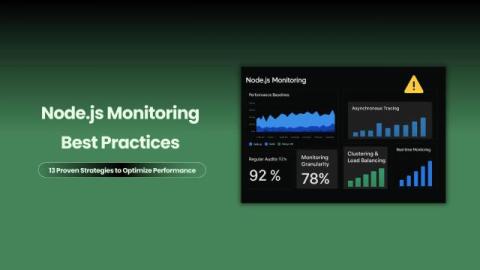
13 Proven Node.js Monitoring Best Practices You Need

What if your Node.js application suddenly froze during peak hours? Imagine thousands of users trying to log in, make payments, or send messages; instead, they’re stuck waiting. Every second feels like a countdown to frustration, churn, and bad reviews. The truth is, Node.js is powerful but unforgiving. It runs on a single-threaded event loop, meaning just one poorly optimized task or slow dependency can bottleneck your entire app. When performance slips, it affects every customer simultaneously.

DevOps Guide to Monitoring in Serverless Applications

Serverless computing helps teams move faster by removing the need to manage servers. Code runs only when needed, scaling up or down automatically. For DevOps engineers, this means quicker deployments and less infrastructure work. But serverless also brings new challenges. Functions run for short periods, making it hard to track errors, performance, and costs.

Serverless Monitoring for Modern Industries: Compliance, Scalability, and User Experience

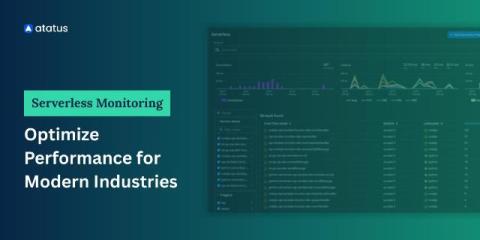
Serverless computing has changed the way developers build and scale applications. With event-driven execution, automatic scaling, and a pay-as-you-go model, it removes the need to manage servers and helps teams move faster. This is why industries like FinTech, e-commerce, and media streaming are adopting serverless at a rapid pace. But serverless also brings new monitoring challenges. Functions are short-lived, run in different places, and are triggered by many types of events.

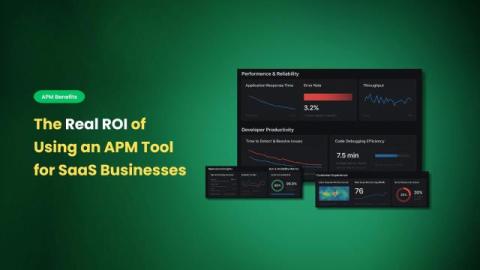
The Real ROI of Using an APM Tool for SaaS Businesses

For every SaaS leader, engineer, and operations professional, growth is always the main goal. You’re expected to release features quickly, keep user experiences smooth, and manage everything within a limited budget. But behind the scenes, your application may have hidden issues such as slow performance, unnoticed errors, and laggy transactions that quietly eat away at revenue, reduce customer trust, and exhaust your engineering team.

How PHP Monitoring Handles Response Times?

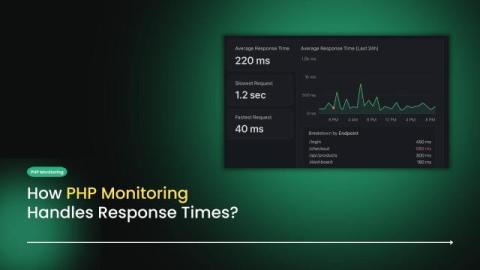
Every millisecond matters when users interact with your PHP application. If a page lags or a request takes too long, most people will leave without a second thought. For DevOps teams, these slowdowns are frustrating because the root cause is rarely obvious. Developers are left combing through logs and traces, often realizing too late that poor response times are already hurting user trust and business outcomes. The pain point: slow PHP response times frustrate users and create hidden costs for teams.

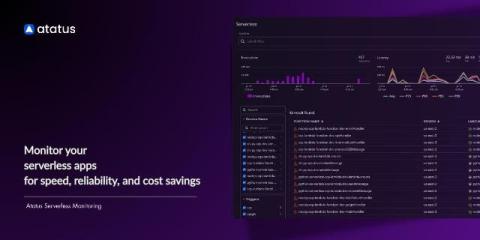
Serverless Monitoring Made Simple: Challenges and Solutions with Atatus

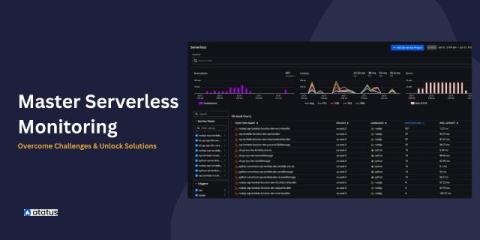
Serverless computing has revolutionized the way applications are built and deployed by eliminating infrastructure management and enabling automatic scaling. However, the dynamic and distributed nature of serverless architectures presents unique monitoring challenges that can impact application performance and user experience.

The Role of Service Maps in Optimizing PHP Application Performance

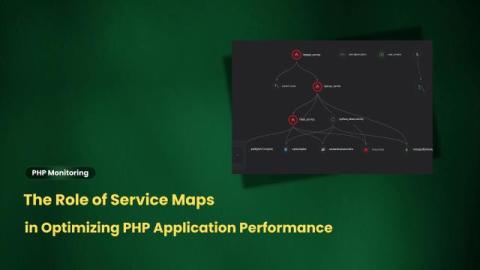
Modern PHP applications rarely exist in isolation. They run across distributed environments, connect to MySQL or PostgreSQL databases, interact with Redis or Memcached, rely on APIs, and communicate with microservices. This interconnected web brings power but also enormous complexity. When performance issues arise, finding the root cause can feel like searching for a needle in a haystack. Is it the database? A caching layer? A failing third-party API?

How to Reduce Serverless Costs with Smart Monitoring

Serverless architecture has changed how applications are built and run. It removes the need to manage servers, letting developers focus on writing code while automatically scaling with demand. But even with its pay-as-you-go model, serverless apps can get expensive if not monitored and optimized. In this blog, lets see how smart serverless monitoring helps developers and DevOps engineers lower serverless costs, boost performance, and keep operations running smoothly.

Serverless Monitoring: Essential Metrics Every Developer Should Track

Serverless applications have become one of the most efficient ways to build and deploy software. With platforms like AWS Lambda, Azure Functions, and Google Cloud Functions, teams can focus on writing code while the provider handles infrastructure, scaling, and availability. But going serverless doesn’t mean monitoring stops being important. In fact, monitoring becomes even more critical because you don’t have direct control over the servers, containers, or VMs.

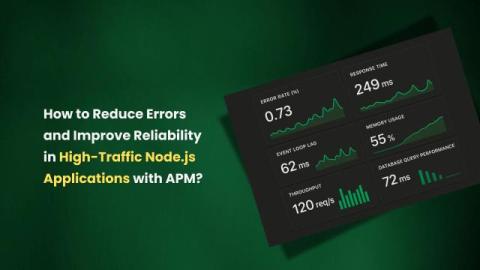
How to Reduce Errors and Improve Reliability in High-Traffic Node.js Applications with APM?

Node.js has become the go-to runtime for building modern, high-performance applications. Its event-driven, non-blocking I/O model makes it particularly well-suited for apps that demand speed and scalability, such as real-time chats, gaming backends, streaming platforms, fintech dashboards, and e-commerce systems. It’s no surprise that some of the world’s largest companies like Netflix, PayPal, LinkedIn, Walmart rely on Node.js to deliver services at scale.

Top 10 Serverless Monitoring Tools in 2025

Monitoring serverless applications is critical to ensure optimal performance, reduce errors, and maintain end-to-end observability. Choosing the right serverless monitoring tools can help track serverless performance metrics, cold starts, and distributed traces across cloud functions. Below, we explore the top 10 cloud-native and third-party serverless monitoring solutions, highlighting their features, pros, cons, and best use cases.