Operations | Monitoring | ITSM | DevOps | Cloud

The latest News and Information on Monitoring for Websites, Applications, APIs, Infrastructure, and other technologies.

InfluxDB 2.0 Release Candidate Now Available

Today we announce InfluxDB 2.0 Open Source’s first official release candidate (RC). This represents a final version of the software as we move towards general availability. We appreciate all the feedback from our users over the last few years and realize that getting to this stage has taken longer than any of us predicted.

Gain actionable insights with XHR-level detail for response codes

A broken or poor performing XHR can significantly impact a user’s experience with a page by slowing down the load time or causing it to break entirely. Many of our customers monitoring web applications agree that monitoring and optimizing XHR calls is the biggest lever they have to improve application performance. In April of this year, we announced that Raygun Real User Monitoring can now surface analytics into the response codes from XHR calls.

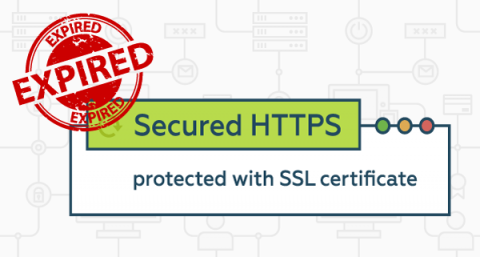
Monitor SSL TLS Certificate Expiration

Secure Socket Layer (SSL) and its successor, Transport Layer Security (TLS) are protocols designed to safeguard traffic over the internet. SSL certificates allow websites to move from HTTP to HTTPS, a more secure communication channel on a network. Starting this September, the lifespan of an SSL/TLS certificate will be limited to 398 days, a reduction from the previous maximum certificate lifetime of 825 days.

How to monitor istiod

Istio is a service mesh that enables teams to manage traffic in distributed workloads without modifying the workloads themselves, making it easier to implement load balancing, canarying, circuit breakers, and other design choices. Versions of Istio prior to 1.5 adopted a microservices architecture and deployed each Istio component as an independently scalable Kubernetes pod. Version 1.5 signalled a change in course, moving all of its components into a single binary, istiod.

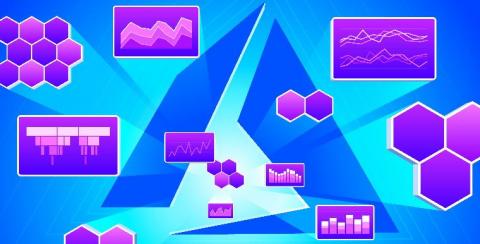
New Microsoft partnership embeds Datadog natively in the Azure portal

We are excited to announce a new partnership with Microsoft Azure, which has enabled us to build streamlined experiences for purchasing, configuring, and managing Datadog directly inside the Azure portal. This first-of-its-kind integration of a third-party service into a public cloud provider reduces the learning curve for using Datadog to monitor the health and performance of your applications in Azure—and sets you up for a successful cloud migration or modernization.

VMware Management Pack Update Release (20.9.2060.0)

Our fourth update release for 2020 of OpsLogix VMware Management Pack for Operations Manager is now released. Improvements includes existing features such as Host Ram Disk monitoring and Discovery of Tagging information for Hosts and Virtual machines. Important: In our previous release we also simplified the configuration and licensing experience and moved everything under the administration pane.

Securing and Monitoring AWS Container Services

Developers, operations, and security teams must work together to address key workflows to secure and monitor containers, Kubernetes and cloud services across the entire cloud-native lifecycle. By addressing mage scanning, runtime security, and compliance, along with monitoring for Kubernetes, container, applications, and cloud services you can automate protection and performance management to accelerate cloud adoption.

Top 3 Things to Consider When Selecting a Log Analysis Platform

Effective log analysis can help you significantly reduce the time spent investigating and troubleshooting incidents. With the many different log analysis platforms available, it can be overwhelming to choose and difficult to know what to look for. In this short guide, we’ll share the top three things you should consider when selecting a log analysis platform for your business.

Application Performance Monitoring - What is APM?

Software applications are increasingly critical for businesses today. They perform key customer-facing roles, power back-office activities, and help us gain greater insight into business activities. Using software gives us greater efficiency and leverage, but can come at a cost in terms of transparency. It can be hard to see how well customers are being served, where they are struggling, or understand why parts of the business aren't working as expected.