
The Impact of Collaboration Software on Workplace Productivity
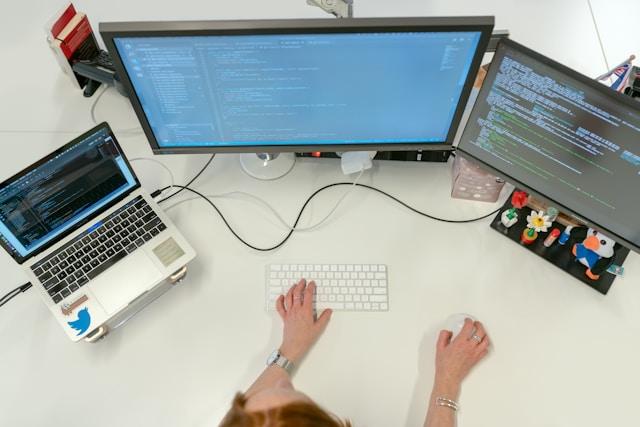
In the current world of business, almost everything is done at a high sped rate, there is no longer any “good to have” tools, only “must have” tools. Companies of any size use collaboration to expand, eliminate inefficiencies, and achieve any goal set. Despite this, the growing number of teams along with the remote working global phenomenon is causing issues for businesses in keeping effective communication. This is where collaboration software comes into play - changing how employees work together and helping employees become more productive.
What is Collaboration Software?
Collaboration software is the set of digital tools created to enhance communication, resource sharing, project management, and task coordination. These systems can be simple instant and text messaging tools such as Slack and Microsoft Teams to more advanced tools such as Asana, Trello, and Monday.com. Most collaboration software integrates with cloud storage, video conferencing, and process automation tools into a single workspace.
The Growing Importance of Collaboration Tools
Recent new hybrid and remote office styles have contributed to an unprecedented increase in the use of collaboration software. Surveys of the sector have shown that employees spend hours toggling between applications, hunting for files, and waiting for replies from colleagues. “At the moment, collaboration software creates an open workspace that users configure in real time, solving interaction problems. These tools also provide communication and project updates from a single consolidated bank, thus deepening understanding and reducing time lags and misconceptions, which is why teams Reportedly require the teams in order to function properly” Jessica Thompson, Director at GoPromotional
How Collaboration Software Enhances Workplace Productivity
1. Targeted and Seamless Communication
Email is still in use, but less than ideal for nurturing lower boundary administrative communication. Rapid communication platforms associated with collaboration software like chat, video conferencing, and group discussions provide instant interaction with real-time updates. Removing time delays caused by both lack of information and waiting for replies enables teams to shift. The result is simple: improved project completion, less siphoning off of time for both managerial meetings and discussions, more open-ended channels for boards to rub teams, and increased fluid movement for all operatives within the office.
2. Centralized Information Sharing
“The amount of productivity time wasted looking for files and other resources is one of the biggest time killers. With the use of collaboration platform tools, users can upload and share files, thus, easily accessing the latest version of any document, report, and presentation. Members of the team can also use the cloud to avoid repetition of the same work on the same file, thus, saving time and reducing errors” Ray Lauzums, Owner of Poggers (Game & Toy Store)
3. Improved Project Management
The addition of new features on collaboration software, such as tasks to be completed and the project's timeline, make it easier for the managers to allocate work and for the team to manage tasks. With Kanban boards, Gantt charts, and other similar tools, teams are always on time to meet deadlines and are able to easily manage the timelines of projects.
4. Enhanced Transparency and Accountability
The use of collaboration platforms allows everyone to see who is working on what and how much they have completed. This open visibility narrows the gap for communication and misinformation. If other people on the team can see what everyone else is doing, they are more motivated to complete their tasks.
5. Support for Remote and Hybrid Work
“Culture changed with the abrupt advent of Covid-19 which concerned the use of Collaboration Tools for Remote and Hybrid Work. For the employees, these tools allow them to work with colleagues and clients who are miles away - as though they were physically located in the same building. Together, video conferencing, screen sharing, and virtual whiteboarding make meetings ‘real,’ so distance doesn’t mean a lapse in productivity” Asanka Henegedara director centerforlean
6. Integration with Other Business Tools
Most software these days comes with features for Collaboration, Integration with other Business tools such as CRM and Time and Data Analytics eliminates the need for cross application which brings in a lot of time savings and convenience. Pulling together a bunch of cross workflows into a single disruption free workspace helps employees spend less time managing tools and more time finishing work.
Challenges of Using Collaboration Software
On the flip side, these solutions tend to stretch the limits of productivity of employees which face new challenges to the use of collaboration software. ‘App Fatigue’ is a classic example of the Adverse impact of Collaboration Tools - in this whereby employees are overwhelmed with constant use, and the more they are, the more exhausted they feel. Distractions which stem from constant notifications tend to formulate a workflow sponge which sucks the employee into deep work redirection, decreasing deep thinking.
Best Practices for Maximizing Productivity with Collaboration Tools
1. Choose the platform with the right fit: Pick software which matches the requirements of the team, their numbers, and the processes in place. Using tools that are overly complicated might do more harm than good.
2. Provide training: Train employees on how to best utilize the various features of the platform. Proper onboarding processes reduce the amount of resistance to the system and increase the speed of adoption.
3. Set communication policies: Determine the appropriate times to use chat, emails, and video calls. This helps to blur the boundaries of any one method and helps decrease overall distractions.
4. Institute policies: Make sure that everyone use the software to set out all goals and the current status of the expected progress. Widespread use of the software ensures that more people are accountable for the goals which helps productivity.
5. Set evaluation techniques: Check how well the software being used meets the requirements of the business activities.
Future of collaboration software
With the progress of technology, collaboration software is likely to evolve even more. Integrating artificial intelligence and automation with current technology helps to minimize repetitive tasks such as scheduling, reminders, and note-taking during meetings. “The use of virtual reality and augmented reality are expected to help give more lifelike virtual collaboration experiences. These changes are likely to help with productivity through efficient and engaging teamwork” Samuel Hamton, Owner of Contactora
Conclusion
The impact of collaboration software on workplace productivity is undeniable. By streamlining communication, centralizing information, improving project management, and supporting remote work, these tools enable teams to work smarter, not harder. However, to realize the full benefits, businesses must choose the right software, train employees effectively, and establish clear usage guidelines.
In an era where speed and efficiency often determine success, collaboration software is not just a helpful tool — it is a critical driver of productivity and innovation. Organizations that embrace these platforms will be better positioned to stay competitive, adapt to changing work environments, and empower their teams to achieve more together.