Configure Multi-Tenant namespace isolation in Openshift4 using NeuVector
In this post we will examine using NeuVector Network rules to enable multi-tenancy isolation in openshift. Also how we can isolate external traffic from specific workload.


In this post we will examine using NeuVector Network rules to enable multi-tenancy isolation in openshift. Also how we can isolate external traffic from specific workload.
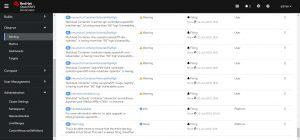
In this post we will explain how to use OpenShift monitoring (alert manager) to monitor NeuVector using NeuVector prometheus-exporter NeuVector has published a Prometheus exporter which we will use in the post.
Fleet, also known as “Continuous Delivery” in Rancher, deploys application workloads across multiple clusters. However, most applications need configuration and credentials. In Kubernetes, we store confidential information in secrets. For Fleet’s deployments to work on downstream clusters, we need to create these secrets on the downstream clusters themselves.
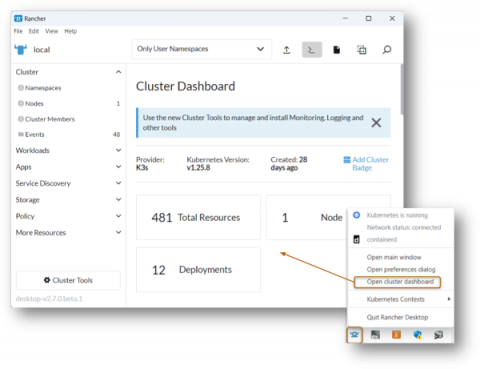
Rancher Desktop is equipped with convenient and powerful features that make it stand out as one of the best developer tools and the fastest ways to build and deploy Kubernetes locally. In this blog, we will tackle Rancher Desktop´s functionalities and features to guide you and help you take full advantage of all the benefits of using Rancher Desktop as a container management platform and for running local Kubernetes.
Kubernetes has created a major impact on modern software development because it is a powerful open source container orchestration platform that enables organizations to deploy and manage complex containerized applications at scale. In this blog, we will cover how Rancher Desktop can help developers run and manage Kubernetes locally.
This is the first article of a series of two covering the advantages and disadvantages of hosted and non-hosted Kubernetes management platforms. First, let’s introduce hosted what is hosted Kubernetes management platform (KMP) and provide a broader view of hosted KMPs.
This article is the second in a series covering Kubernetes Management Platforms (KMPs). In the first article, we analyzed hosted KMPs, exploring their potential benefits and customer base. This blog will examine non-hosted KMPs and the organizational customer profiles that can benefit the most from this solution. After the first article, you may think that hosted KMPs are the way to go, but there are many things to consider before deciding.
Spring is here and so are the latest G2 Badges! I’m happy to share that G2 has awarded 15 badges to SUSE in its 2023 spring report, including the overarching ‘Users Love Us’ badge (again). G2, the world’s largest and most trusted tech marketplace, recognized Rancher, SLE Desktop, SLE Real Time, SLES and SUSE Manager as High Performers and Momentum Leaders. G2 also awarded the openSUSE Tumbleweed Linux distribution.
The PodSecurityPolicy API, initially deprecated in Kubernetes v1.21, was entirely removed in Kubernetes v1.25. Because the API was removed, you cannot create, edit or query PodSecurityPolicy resources in a Kubernetes v1.25 cluster. Also, because its admission controller was removed, your clusters can no longer enforce any PodSecurityPolicy rules that were created in Kubernetes v1.24 and prior.