Operations | Monitoring | ITSM | DevOps | Cloud

How to Manage Grafana Access Groups for Team Control

Managing team access in Grafana can be tricky—especially as your organization grows. That’s where Grafana access groups (also known as Limited Access Groups in Hosted Graphite) come in. They allow you to define groups of dashboards and restrict which team members can access them. If you’re using Hosted Graphite with Grafana dashboards, this feature helps you organize teams, maintain data privacy, and simplify access control—all while giving users just the permissions they need.

How to Use MetricFire Logging: Visualize Logs & Metrics Together in Grafana

Want full visibility into your systems? In this step-by-step tutorial, we show you how to use Grafana Loki with Promtail on Hosted Graphite by MetricFire to stream logs alongside your metrics. All visualized in Grafana dashboards. No more toggling between tools — get the full observability stack in one place.

Migrating from Librato to Hosted Graphite on Heroku - Full Tutorial

Librato on Heroku is being sunsetted, so what's next? In this tutorial, we walk through: Why Hosted Graphite by MetricFire is the best upgrade from Librato on Heroku Step-by-step migration: move your Heroku dyno, router, Postgres, Redis & custom metrics into Hosted Graphite A side-by-side comparison: metrics ingestion, dashboards, alerts, and integrations.

Redis Performance Monitoring: Combine Logs and Metrics for Complete Visibility

Redis earns its place in modern stacks because it’s an in-memory data store with microsecond latency and rich data structures, making it perfect for things like caching, sessions, and rate limiting. Since it often sits on the request path, small issues (connection churn, blocked commands, memory pressure) can quickly ripple into user-visible incidents.

Easiest Way to Ship Docker & Nginx Logs to Loki with Promtail

Effective monitoring catches problems before users do, and with Promtail, Loki, and LogQL, it’s a lightweight, approachable option for any DevOps team. This guide shows how to monitor Docker itself (pull failures, restarts, health flaps) so you’ve got a baseline on container runtime health.

Complete Guide to HAProxy Visibility Using Promtail and Loki

HAProxy is the workhorse in front of countless APIs and apps because it’s fast, lean, and flexible. Because it sits on the traffic hot path, it’s also your earliest warning system when something slows down or breaks entirely. This means that monitoring it isn’t optional. You need to see connection queues and retries, per-stage timings, health-check failures, and spikes in error statuses to catch incidents before users do.

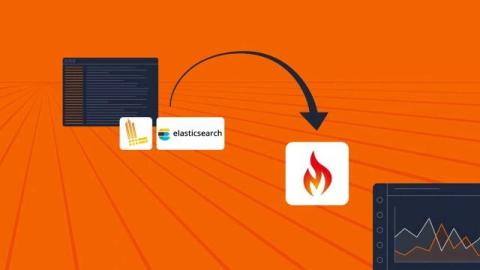
Visualize Logs Alongside Metrics: Complete Observability Elasticsearch Performance

Elasticsearch is a distributed search and analytics engine that powers everything from log management platforms to e-commerce search bars. It excels at indexing and retrieving large volumes of data quickly, but like any complex system it can slow down under heavy load or inefficient queries.

How to Improve MariaDB Performance: Track Slow Queries with Logs and Metrics

Database latency rarely starts in your app layer because it’s almost always a query doing more work than it should. Metrics tell you when that happens, but slow-query logging tells you which statement did it and how. That’s gold for tracking down missing indexes, inefficient filters, or accidental full scans. Pair the logging with a some lightweight counter metrics, and you get both an early warning and a clear path to a fix.