Operations | Monitoring | ITSM | DevOps | Cloud

How to Use an ER Diagram Tool to Design Relational Databases

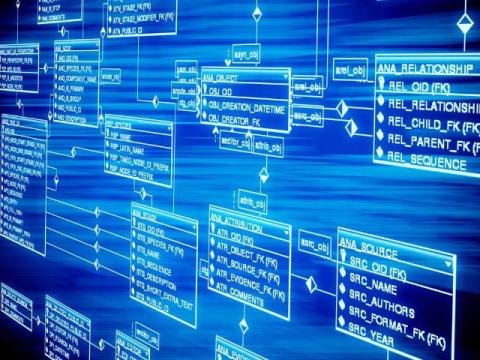
Database documentation often goes stale the same way. Someone draws a diagram during initial design and exports it to a wiki. The schema keeps changing, but the picture does not. Months later, a new engineer compares the diagram to the live database and has to work out which details are still accurate. The fix is to update documentation whenever the schema changes. An entity-relationship diagram (ERD), a visual map of tables and how they connect, can serve as both a design aid and a shared reference. It stays useful only if the team maintains it.

Creating Secure and Reliable Digital Signing Processes

Digital signing works best when it is designed as part of a complete business process. Organizations building signing into their own software can evaluate an esignature API from Blueink, a provider focused on developer-led document workflows with REST API tools, SDK resources, embedded signing, webhooks, tracking, and identity-verification options. Its services are relevant to integrated workflows in areas including government, insurance, education, and healthcare. A signature request is only one moment in a longer journey.

React Native Is Not the Risk in Healthcare App Development. Poor Architecture Is.

Healthcare technology leaders keep hearing the same warning: React Native adds risk to clinical, patient, and operational apps. That view misses the real issue. Risk does not come from the framework. It comes from weak architecture, loose integration design, unclear data ownership, and release models that treat healthcare like retail.

Can Technology Become Smarter Without Becoming More Complicated?

Our phone runs a neural network to pick the sharpest frame every time we take a photo, yet the whole interaction is one tap. That gap is the story of modern technology: the machinery keeps getting denser while the thing in your hand keeps getting quieter. We tend to assume intelligence and complication rise together, but the most important products of the last decade prove the opposite can happen. The real question is not whether tools can get smarter without getting harder to use, but where all that hidden difficulty actually goes.

Headless vs. Traditional Web Architecture: What DevOps Teams Need to Consider

DevOps teams face a critical architectural decision when building modern web applications: should they stick with traditional, monolithic systems or embrace headless architecture? This choice affects everything from deployment workflows to team collaboration, performance optimization, and long-term maintenance costs. Understanding the technical and operational implications of each approach helps teams make informed decisions that align with their specific requirements.

From AI Prototype to Production: The Technical Architecture Enterprises Need

Building a generative model that spits out flawless answers in a controlled notebook feels like a massive win for any engineering team. But watching that exact same model crash the second it hits real, concurrent user traffic? That is a frustrating reality check. The gap between a slick proof of concept and a mission-critical deployment is surprisingly wide, and it almost always comes down to the underlying infrastructure. If your systems cannot handle the dynamic load, the smartest algorithm in the world will not save you.

3D Visualization in Construction Planning: From Design to Execution

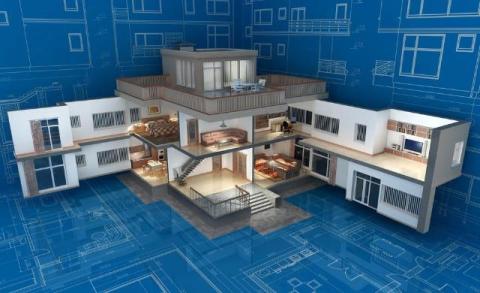
A project can be "understood" by everyone in the meeting and still surprise everyone on site. The architect sees one thing in the drawings. The client imagines another. The contractor is already thinking about access, sequence, and materials. Then work begins, and the questions arrive late. 3D visualization for construction planning helps move those questions forward. It gives teams a way to look at space, scale, finishes, and use before the build starts answering for them.

How ArcSonic Tech Limited Approaches System Architecture Reviews for Scalability Readiness

Most systems fail to scale, not because the team didn't work hard enough, but because the architecture was designed for the load it had rather than the load it would eventually face. The features worked. The performance was acceptable. The code was clean enough. But the structural decisions made early - about how data flows, how services communicate, where state lives - created ceilings that only became visible when the traffic arrived.

Eco-Friendly Office Decor Ideas for Businesses

Modern office design increasingly relies on sustainable choices to create healthier working environments. Buying eco-conscious furniture and decor helps companies cut waste without sacrificing daily visual appeal. Simple updates to lighting, materials, and greenery transform traditional workplaces into eco-friendly hubs. These updates support green initiatives and reduce recurring energy costs.

The Next Phase of Technology Will Be Built Around Real-World Data

The internet gave machines access to what people have written, photographed, watched and built. That created systems able to summarise documents, generate software and reproduce visual styles. It is not enough for a machine that must understand a changing street, hospital room, factory line or electricity grid. The next phase will depend on data produced by physical activity. Sensors will capture it, edge devices will process it and models will act on it. The challenge is turning imperfect signals into useful, traceable and safe decisions outside a controlled demonstration.