Operations | Monitoring | ITSM | DevOps | Cloud

Create a Custom Integration | Moogsoft Product Videos & How-Tos

After watching this video, you will be able to explain when to use the custom integration option, ingest data in JSON format into Moogsoft, map data from your monitoring software to Moogsoft event fields, and set up and test a deduplication key to reduce operational noise. Don't forget to subscribe for content on DevOps, Observability, AIOps and more!


Logic App Best practices, Tips, and Tricks: #11 Connectors naming convention

Today I will talk about naming convention because I think this is so critical to implement from day one, and people tend to forget. We earlier addressed the importance of providing a good naming convention to your Logic App name and actions inside your business process. Today we will speak about the Connectors (or API Connections) naming convention.

How to Monitor Your AWS RDS Instances

Even though NoSQL databases like Amazon’s own DynamoDB are very popular today, for many business use cases, there’s almost no way around using a traditional relational database. Amazon Relational Database Service (RDS), released back in October 2009, is one of Amazon’s first cloud services and can therefore be seen as a very mature service.

Entrepreneurs, CMO's, And All Marketers, Why Small Data Might Drive More Creative Customer Insights Than Big Data

The term ‘big data’ is used so commonly in research and marketing terms, you would think it’s been here forever. But actually, big data evolved from database marketing (read first efforts of targeted direct mail) in the mid to late 1980’s. This was the first attempt of marketing agencies and large corporations to begin segmenting their customer databases to create different offers based on the demographics or psychographics of their customers.

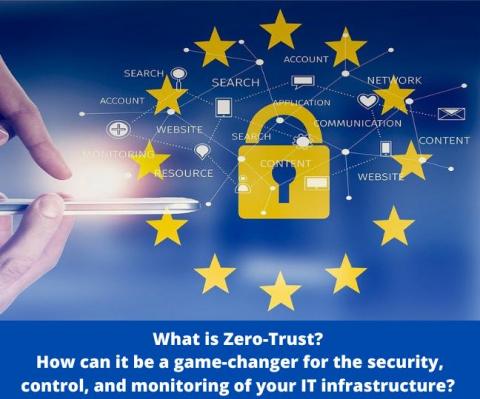
What is Zero-Trust? How can it be a game-changer for the security, control, and monitoring of your IT infrastructure?

It might appear like a challenging task to move from a centralized point of access to the network and apply a zero-trust security model. But, with growing instances of data breaches, cybersecurity threats, and the need for remote working, zero-trust network access has become a need of the hour for many organizations. It provides a holistic and strategic approach to secure your network and provide adequate access to the required systems.