Operations | Monitoring | ITSM | DevOps | Cloud



Panel: Community Perspective on Open Source Tracing
Moderator: Jonah Kowall, CTO, Logz.io
Panelist: Wu Sheng, Founder, Apache SkyWalking & Founding Engineer, Tetrate
Panelist: Yuri Shkuro, Jaeger Lead & Senior Staff Software Engineer, Uber
Panelist: Jose Carlos Chávez, Zipkin Team Member & Senior Software Engineer, Expedia

The First OpenObservability Conference is a Wrap
Last week, the first OpenObservability conference took place. This event had amazing content contributions from open source project leaders, users, and influencers. We’ve seen massive growth and adoption in the open source observability space from the inspiring work being done across tracing, logging, and especially metrics. The new data stores and capabilities are growing at breakneck speed. There are more choices— yet more complexity—than ever before.


The Post-Cloud Evolution: Europe Moves to the Edge
Current cloud investments have been a boost for flexibility and productivity. The challenge is that there is a single point of failure with these platforms, requiring diversity of providers to reduce dependencies. The future of cloud computing will see effects from the ambitions and expansion of cloud providers themselves, as well as potential competition. This is especially true with Amazon, Google, and to a lesser extent Microsoft.
How to Overcome the Drawbacks of SIEM Tools
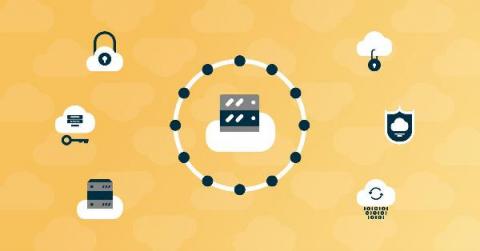
These days, “SIEM” (Security Information and Event Management) is all over the place. SIEM tools work by collecting data from multiple systems and noticing patterns in the data. This adds immediate value to the business by providing insights, security recommendations, and actionable intelligence. Despite being helpful tools for many companies, SIEM tools do have their drawbacks. This article will describe the four main ones and offer suggestions for how they might be overcome.
A Cost Comparison: ELK vs Proprietary Log Analytics
The large volumes of logs, metrics, and traces generated by scaling cloud environments can be overwhelming, but they must be collected to identify and respond to production issues or other signals showing business or application issues. To collect, monitor, and analyze this data, many teams choose between open source or proprietary observability solutions.

The Cost of Building an In-House Monitoring Solution for Metrics
Computing environments are constantly changing. Back when an on-premises server hosted your work, your infrastructure and applications were easy to track. Now that you’re developing in the cloud, things are more challenging. You’re learning that each team within your organization uses a different monitoring tool. At this point, you may be wondering if it’s time to build your own monitoring solution with open source tools at its core that everyone can use.