Operations | Monitoring | ITSM | DevOps | Cloud

Sponsored Post

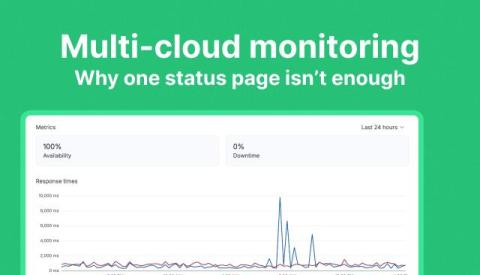
Multi-Cloud Monitoring And Why Status Pages Aren't Enough

Multi-cloud environments make outage detection harder. Relying on individual status pages from Amazon Web Services, Google Cloud Platform, and Microsoft Azure often leads to delayed, incomplete, or conflicting signals during incidents. This article explains how fragmented visibility impacts incident response, and how aggregating status across cloud and SaaS dependencies helps DevOps teams detect outages faster and respond with confidence.

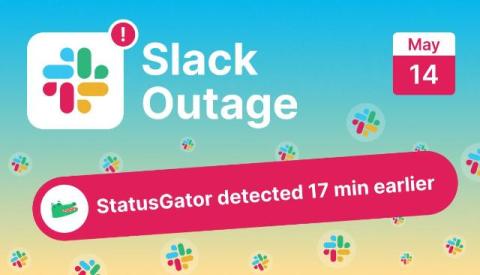
Slack outage on May 14, 2026

On May 14, 2026, users across multiple regions began reporting problems with Slack, including messaging failures, sign-in issues, and problems loading attachments and images. While the outage did not affect every user, reports quickly showed the issue was widespread enough to disrupt business communication for organizations around the world. StatusGator identified the incident through customer outage reports and triggered an Early Warning Signals alert at 14:21 UTC.

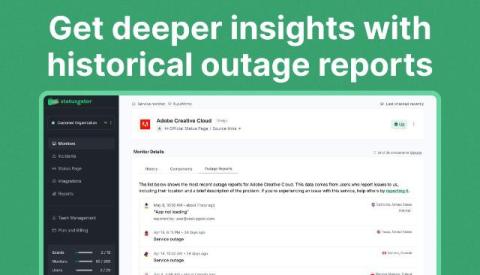
Get deeper insights with historical outage reports

StatusGator now includes a new Outage Reports tab on the service monitor detail page, giving users more visibility into recent service disruptions directly where they monitor services. Users can now quickly review recent outage activity for a specific monitored service without leaving the detail page.

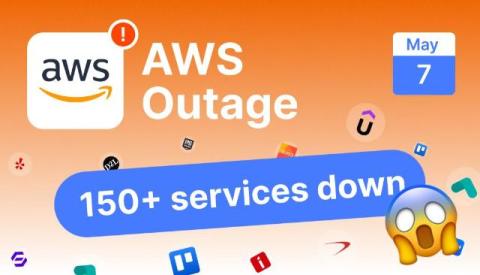
AWS outage takes down more than 150 cloud services

On May 7th and 8th, 2026, Amazon Web Services (AWS) experienced an outage affecting Amazon Elastic Compute Cloud (EC2) in the dreaded US East 1 region. The original region of AWS located in Northern Virginia, us-east-1 or just “US East” as it is known, has been the subject of some of the internet’s most high profile and destructive outages and remains Amazon’s least reliable region.

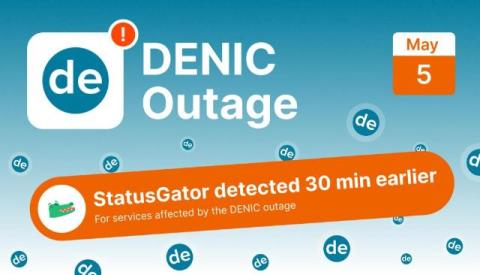
Major .de Outage: DNSSEC Failure at DENIC Takes Down German Domains

On May 5, 2026, a major.de outage disrupted access to websites across Germany and Europe. The incident, caused by a failure at DENIC, the operator of the.de top-level domain, resulted in widespread DNS resolution failures. This was not a typical service outage. It was a failure at the DNS layer that made entire domains unreachable. As DNS caches expired, more services went offline, creating the appearance of a spreading outage across unrelated companies.

April 2026 Early Warning Signals

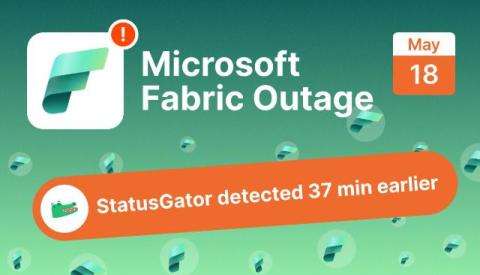
April saw widespread disruptions across SaaS platforms, developer tools, and cloud services, with login failures, pipeline issues, and general service outages among the most common problems. StatusGator’s Early Warning Signals consistently identified these incidents ahead of official provider updates. In several cases, the lead time was significant. Bitbucket pipeline failures were detected 1 hour 17 minutes before acknowledgment, while Claude performance issues surfaced 59 minutes early.