BSO goes live in Bergamo, Italy, as it expands European low-latency network
BSO has today announced it has gone live in Italian city Bergamo, in keeping with its plans to cover more of Europe with its low-latency network.


The latest News and Information on Cloud monitoring, security and related technologies.
Coralogix is excited to announce the launch of our Stateful Streaming Data Platform that is now available on the Red Hat Marketplace. Built for modern architectures and workflows, the Coralogix platform produces real-time insights and trend analysis for logs, metrics, and security with no reliance on storage or indexing. Making it a perfect match for the Red Hat Marketplace. Request a Demo.
Many companies today rely on SaaS connections in order for the business to function. Some users simply can’t operate in their job when an application becomes unavailable. When hundreds of users are impacted, this can cost a company serious money. That’s why keeping a proverbial finger on the pulse of application performance is generally worth the effort. But, it isn’t easy. Many popular SaaS applications are delivered from hundreds of locations around the world.
In 2021, any time that you access any kind of web service, whether it be via a website or app, chances are high that the backend is running on Kubernetes. Hundreds of thousands of organizations rely on Kubernetes to power and manage their mission critical services every day, and the reliability and scalability benefits offered by Kubernetes have been felt across the industry.
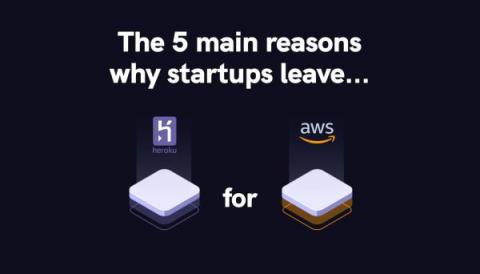
Heroku is a cloud-based platform that helps companies build, deliver, monitor, and scale applications with high velocity. Heroku's popularity is due to its simplicity, usability, elegance, and focus on the developer experience. Developers find Heroku helpful as they can get their application ready and running with only minimal focus on configuring infrastructure. Heroku scores on easiness in architecting apps, deploying them to flexible cloud infrastructure, and scaling them as required.