Operations | Monitoring | ITSM | DevOps | Cloud

Cycle Podcast | EP 15 | Darren Shepherd | The State of Running Containers in the Wild

In this episode, Jake Warner chats with Darren Shepherd, co-founder of Rancher Labs, and more recently, Acorn.io. Together, Darren and Jake, discuss the current ecosystem around container orchestration and dive into some of the flaws that exist with how applications are packaged and deployed today. Darren has spent his career writing orchestration systems, first in the IaaS space and then Docker and Kubernetes. He is best known for co-founding Rancher Labs and creating such projects as Rancher, Longhorn, k3s, and many others.

How Sleuth measures Change Lead Time

Change Lead Time can be considered the most insightful of the four DORA metrics. But how do you measure it most accurately? In this video, Don Brown shows you how Sleuth measures Change Lead Time for code changes and how Sleuth breaks down that time into multiple buckets for the most detailed insight on what's slowing your team down. Check out these videos on how Sleuth measures other DORA metrics.

How Sleuth measures Change Failure Rate

Before you can measure the DORA metric for Change Failure Rate, you need to define what failure means. In this video, Sleuth's CTO Don Brown explains how Sleuth defines and measures Change Failure Rate, and how it ties failure back to deployments. Check out these videos on how Sleuth measures other DORA metrics: Give Sleuth a try and see why it's a deploy-based Accelerate / DORA metrics tracker both managers and developers love.

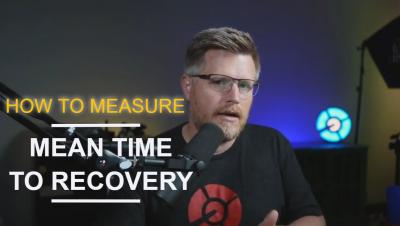
How Sleuth measures Mean Time to Recovery (MTTR)

The DORA metric Mean Time to Recovery (MTTR) tracks how long on average your failure spans are. In this video, Sleuth CTO Don Brown explains how Sleuth calculates this measurement, which gives you insight on how quickly your team can respond to and recover from failure. Check out these videos on how Sleuth measures other DORA metrics: Give Sleuth a try and see why it's a deploy-based Accelerate / DORA metrics tracker both managers and developers love.

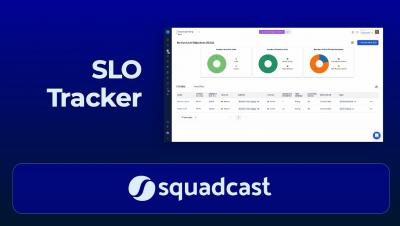
Using Squadcast's SLO Tracker | Error Budget | Setting up SLOs and configuring SLIs | Squadcast

With Squadcast, you can define and monitor Service Level Objects for your services. SLOs allow you to define and enforce an agreement between two parties regarding the delivery of a given service. A Service Level Objective (SLO) is a reliability target, measured by a Service Level Indicator (SLI), and sometimes serves as a safeguard for a Service Level Agreement (SLA). SLOs represent customer happiness and guide the development team’s velocity.