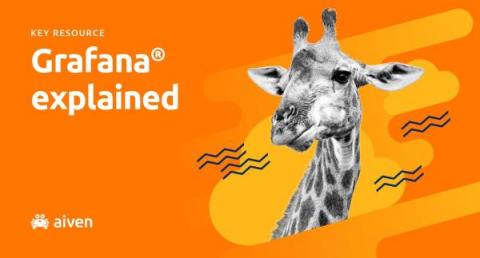
What is Grafana?
By combining and correlating data from any source in one dashboard, Grafana® ensures your team is always on the same page.


Last night the Channel 4 website and app suffered an outage leaving football fans unable to stream the game. The highly-anticipated game between England vs Germany took place at Wembley Stadium on Monday, September 26. Channel 4 had the rights for this match and streaming was exclusively on their website and app. Kick off was at 7.45pm, with coverage from 7:00pm. The first Channel 4 website issues reported on Down Detector came in at 7:32pm and issues continued throughout the night.
The traditional embedded Linux development model ties applications to the OS. Such a constraint means apps have to target a specific release, which lowers development velocity. Furthermore, broken upgrades in one part of the device may affect refreshes in the rest of the OS. On the other hand, embedded developers are increasingly looking at open-source software to enable rapid app-centric software deployment and global collaboration.
If you’re wondering if that classic car you’ve been scoping out on Bring a Trailer or eBay Motors is as authentic as posited by the seller – specifically re: the common claims of “original paint” or “high quality respray” – you’re going to want to take a closer look around the edges. This is because a talented painter can make a second or 30th-hand vehicle look pretty snazzy with a well-affected, if not super high-quality, repaint.
For decades, IT operations teams have relied on monitoring for insight into the availability and performance of their systems. But the shift to more advanced IT technologies and practices is driving the need for more than monitoring – and so observability evolved. With infrastructures and applications that span multiple dynamic, distributed and modular IT environments, organizations need a deeper, more precise understanding of everything that happens within these systems.
This article is the final installment in a series that demystifies observability. The first three focused on the history of observability, dispelling myths around observability, and what observability is and what it can offer. In this last article of the series (Check out part 1), I want to offer a complete definition of observability.