At Grafana Labs we run a lot of distributed databases. These distributed databases all make use of a hash ring in order to evenly distribute workloads across replicas of certain components. For a more detailed description of the architecture of our projects, check out our Mimir architecture docs.
In order to respond in real-time to urgent, critical digital incidents, on-call responders must be able to take action from anywhere. But when on-call responders become overwhelmed with alerts, they often just “ignore them” because they cannot tell the difference between a real alert and a false one.
The monitoring, tooling, and observability space is crowded. It’s hard to keep track of what most tools in this category originally set out to do— but if we had to guess… they were probably built to support monolithic architectures with complex systems, to give Ops and IT a way to minimize the impact of an outage.
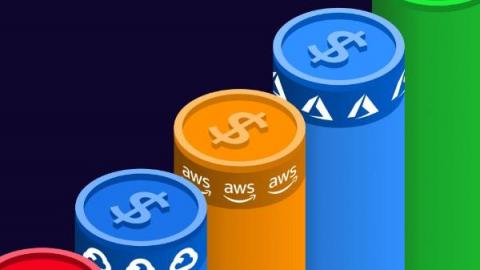
Although there are many great tools out there to get on top of application monitoring, there’s one vital metric that’s often overlooked by us technical folks – cost. In the days of running apps on servers in private datacenters, the kit was a one-time purchase that the systems team had to deal with. But running apps in public clouds is a different story. Whether you’re running on VMs, containers in Kubernetes, or entirely serverless, execution of your code adds to the bill.
The key to acing a CI/CD interview is preparation. The first step in preparation is to learn as much as you can about the possible company, including its background, offerings, and hiring practices. In order to help you master your next interview and land your dream job, this blog post includes CICD interview questions, all neatly organized into themes.. Refreshing your technical knowledge is the next item on the list because it will help you stand apart.