After the global pandemic and lockdowns, most businesses look onward to online solutions for their applications. They want to take their business online by creating mobile or web applications. Companies are looking to monitor every aspect of the application, including deployment, bugs, API failures, etc. But the most important thing is how the application behaves when it goes into the hands of the end-users.
Application Performance Management (APM) measures how a SaaS or Web application performs on the backend (for Devops). End-User Experience Management (EUEM) focuses on user behavior within those applications. Network Performance Monitoring and Diagnostics (NPMD) collects network telemetry to facilitate performance degradation. DEM combines all these tools to holistically look at the entire digital journey and see how each dependency drives successful experiences for customers and employees.
Happy New Year 2022! In 2021, Exoprise’s critical focus was on improving its product for monitoring digital experiences and mobilizing internal teams to improve customer adoption and SaaS/network experiences everywhere. As Covid continues to dominate the world, IT and business teams are increasingly looking for solutions like Exoprise Digital Experience Monitoring (DEM) to ensure end-users are productive with a seamless work-from-home experience.
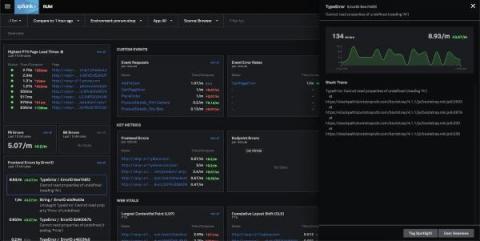
Debugging errors is an essential component to SRE and developer workflows. “How do we prioritize and isolate JavaScript errors more effectively?” is a top challenge we hear from engineering teams looking to improve end-user experience. Therefore, we are excited to announce the general availability of Splunk RUM frontend error monitoring.
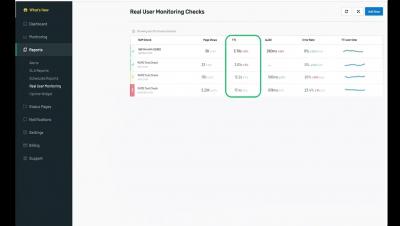
Real User Monitoring (RUM) provides visibility into the performance experience of live users interacting with your web, mobile, or single-page apps. RUM tools emerged to bridge the gap between application performance metrics and the impact on real people. These days, user experience is increasingly factored into the development process, but that still doesn’t stop slowdowns.
As one of the leading enterprise collaboration software globally, Microsoft Teams helps remote workers come together and stay productive. But while IT already has tools to monitor Teams call quality metrics, the pandemic shifted the organizational landscape with all of us working remotely from home. Or at least work in a hybrid way! So what does that mean for Teams monitoring now? The shift necessitates a newer Microsoft Teams monitoring strategy approach that combines synthetics with real user monitoring (RUM) to get a complete seamless digital experience.