Operations | Monitoring | ITSM | DevOps | Cloud

Breakpoint recap: Uptime Monitoring, robots, and feature flags galore

Bugs don’t announce themselves politely. They crash your checkout flow, break authentication, or slow your API to a crawl—usually right before your CEO asks how things are going. And when the error inbox is flooded with a hundred variations of TypeError: cannot read property of undefined, figuring out what actually matters can feel impossible.

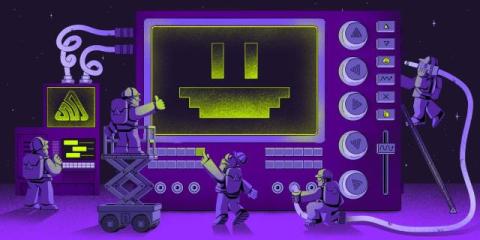
Your App Might Be Down; Let's Fix It - Introducing Sentry Uptime Monitoring

Even at Sentry, we're not immune to downtime. In a moment of "oh-the-irony," we once took down our own application with a bad migration. We were adding a field to a critical database table, and the migration locked it completely. Since this table was essential to Sentry’s operation, the entire app went down. The website wouldn’t load, ingestion paused—everything ground to a halt.

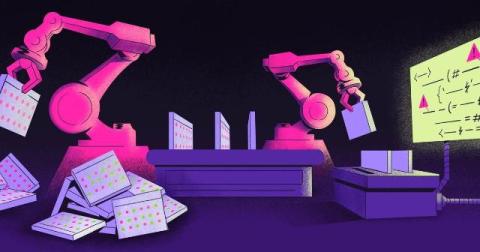
Using a transformer-based text embeddings model to reduce Sentry alerts by 40% and cut through noise

Sentry uses Issue Grouping to aggregate identical errors and prevent duplicate issues from being created, and duplicate alerts being sent. One of the chief complaints we’ve heard from our users is that in some cases the existing algorithm did not sufficiently group similar errors together, and Sentry would create separate issues and alerts, causing unnecessary disruption–or at least annoyance–to developers.