Operations | Monitoring | ITSM | DevOps | Cloud

Whitelist Email Addresses in cPanel

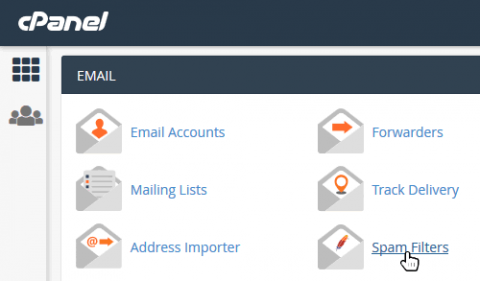
In a recent blog post we answered the question: Why Whitelist an Email Address? TLDR; "If you expect to receive important emails from a trusted email address it is worth whitelisting the address to make sure that emails won't be accidentally blocked by an overzealous email client." In this post we show you how to do it in cPanel by adjusting the SpamAssassin spam filters. If you use cPanel webmail (e.g. Horde, Roundcube or Squirrel Mail) then this is what to do...
An Introduction to Graylog Aggregation Charts

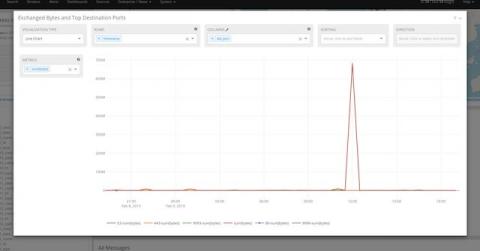
It’s Sunday afternoon, and you’re having a nice relaxing weekend, sitting down watching your favorite sporting event. While enjoying the game, you get a high alert email on your phone, noting something’s going on and you need to jump into action. What do you do in these high stress times? Every second counts, and everyone is waiting on you to tell them what’s happening.

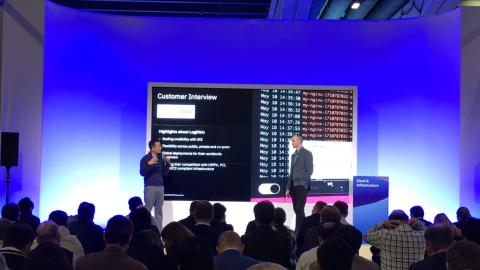
IBM Think 2019 (San Francisco) - Event Recap

With sessions on cloud, big data, and A.I., to training courses, certifications, and hands-on labs, IBM Think 2019 in San Francisco was full of innovation and learning. From talks on emerging technologies and industry trends, the overall theme of the event was clear – IBM is betting on the next chapter of cloud: multi-cloud, Kubernetes, containers, microservices and open-source.

Lambda@Edge: Why Less is More

Lambda@Edge is a compute service that allows you to write JavaScript code that executes in any of the 150+ AWS edge locations making up the Amazon CloudFront content delivery network (CDN) service. In this post, I’ll provide some background on CDN technologies. I will also build out an application stack that serves country-specific content depending on where the user request originates from.

How Enterprise Kubernetes Benefits from Multi-Cluster Apps

There is a lot to love about Kubernetes. It offers one of the best ways to deploy and run applications on a large pool of resources. With its easy-to-use UI and out-of-the-box capabilities like RBAC, monitoring, auditing, logging, and more, Rancher makes it easy to stand up and manage enterprise grade Kubernetes. Using Rancher, IT Operators can point to their cloud provider (AWS, GCP, Azure, etc.) or datacenter and create a cluster with just a few clicks.

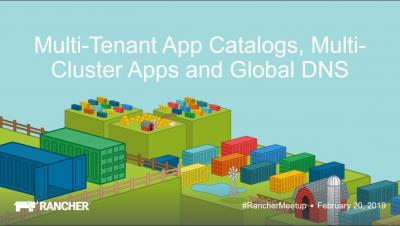
February 2019 Online Meetup: Multi Cluster Applications, Global DNS, and Multi Tenant Catalogs

Rancher 2.2 focuses on day two operations for Kubernetes, the ongoing management tasks that secure clusters, reduce downtime, and keep applications secure. For edge deployments and businesses that run multi-tenant clusters or multiple installations of the same application, Rancher 2.2 Preview 2 introduces features that lighten the workload of operations team, helping to eliminate redundant work and human error. It includes tools for increasing the availability of multi-cluster applications and new options for configuring application catalogs at the cluster and project levels.

Debug Your Node.js Projects with Source Maps

As you probably know, source maps allow you to view source code context obtained from stack traces in their original, untransformed form. This view is particularly useful when attempting to debug minified code (like UglifyJS) or transpiled code (like TypeScript or ES6). We’ve made the analogy before, but source maps act as the decoder ring to your secret (minified or transpiled) code.