Government Spending Priorities Focus on Modern Priorities
As the world emerges from the pandemic, governments are shifting focus to modernize their IT landscapes seeking security, efficiency, and a better experience.


As the world emerges from the pandemic, governments are shifting focus to modernize their IT landscapes seeking security, efficiency, and a better experience.
Seagate Lyve™ Cloud is a storage-as-a-service platform that delivers S3-compatible object storage with a simple and predictable cost structure. It offers ultra-high durability and scale along with enterprise grade security and uptime. When it comes to the reliability and resiliency of the Lyve Cloud Service, there are simply no compromises.
The economy’s mixed messages—slow growth and high inflation, combined with resilient employment and consumer demand—are spurring business leaders to focus on ways to boost productivity, drive growth, retain customers, and remain competitive. A 2023 survey of 1,000 C-suite executives by ServiceNow and ThoughtLab found digital activities continue to be a key element of their strategic plans. This is especially true for companies that have prioritized digital innovation in the past.
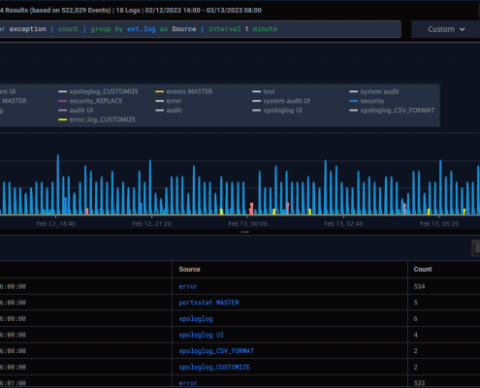
Simplified analysis. Enhanced visualizations, alerting capabilities, advanced data forwarding, and more. Great news! We have published a new update with many exciting new features and optimizations.
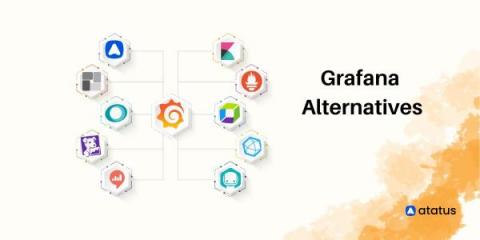
Grafana is a powerful open-source data visualization platform created by Torkel Ödegaard in 2014. With its front-end written in Typescript and a Golang back-end, this data monitoring platform allows users to create and share interactive and dynamic dashboards with custom charts and panels using data from various sources, including InfluxDB, Prometheus, Elasticsearch, and many others. Template variables are also available as dropdown options to create dynamic and reusable dashboards.
The year was 1995. Michael Jordan returned to the NBA. Amazon sold its first book. Windows 95 unleashed the era of taskbars, long filenames, and the recycle bin. And when people weren’t dancing the Macarena, they were flocking to see Apollo 13 and hear Tom Hanks utter the phrase that would launch millions of (mostly annoying) impersonations: “Houston, we have a problem.”
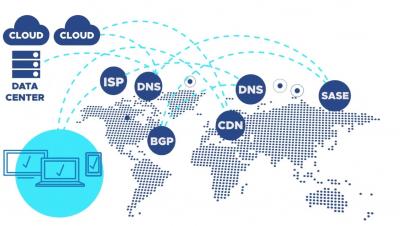
Cloud networking is the IT infrastructure necessary to host or interact with applications and services in public or private clouds, typically via the internet. It’s an umbrella term for the devices and strategies that connect all variations of on-premise, edge, and cloud-based services.