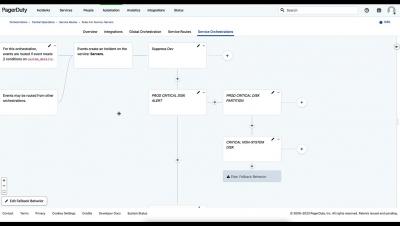
It doesn’t matter if you’re a startup or in the Fortune 500: cost optimization, tool consolidation, and efficiency efforts are top of mind. Removing toil and automating more often during the incident response process doesn’t only help teams resolve faster, it also helps them become more efficient. In a resource-strapped world, protecting developer and responder time and focus is critical to reducing total cost of operations and optimizing customer experience.
Hybrid and remote work is now the status quo. Companies campaigning for workers to return to the office are facing resistance, with some employers finding that they’re losing employees to jobs that give prospective hires the flexibility they want. Flexible work models have become a competitive advantage in a strained labor market. According to the latest Future of Work report from Accenture, 63% of high-growth companies have adopted a “productivity anywhere” workforce model.
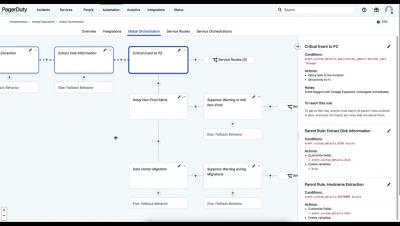
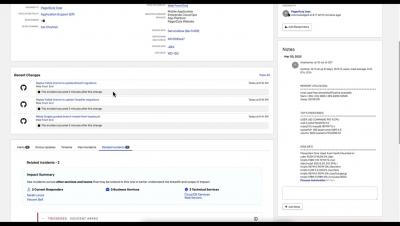
Last week we launched a number of features across the PagerDuty Operations Cloud portfolio to help teams minimize downtime and protect customer experience. One of the areas where PagerDuty continues to invest is collaboration and communication during incident response to ensure that all impacted stakeholders across the business are updated in real-time.
Incidents are costly. It’s not just revenue that takes a hit every time you have an outage–brand reputation and client satisfaction are also on the line. To protect current and future revenue, companies have to deliver on customer expectations. Innovation alone is no longer enough: digital experiences must also be fast, flawless, and highly available. This means teams have to get more proactive with real-time, unplanned work.