Operations | Monitoring | ITSM | DevOps | Cloud

The latest News and Information on DevOps, CI/CD, Automation and related technologies.

Swap Memory - When and How to Use It on Your Production Systems or Cloud-Provided VMs

Swap memory, also known as virtual memory, is a space on a hard disk that is used to supplement the physical memory (RAM) of a computer. The swap space is used when the system runs out of physical memory, and it moves less frequently accessed data from RAM to the hard disk, freeing up space in RAM for more frequently accessed data. But should swap memory be enabled on production systems and cloud-provided virtual machines (VMs)? Let's explore the pros and cons.

What Is Platform Engineering?

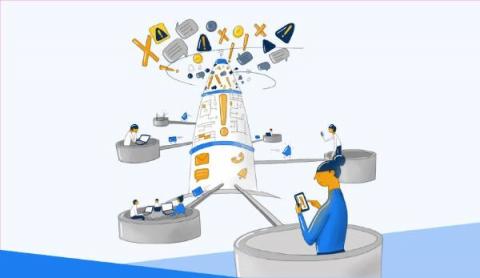
If DevOps is an approach to software development that emphasizes collaboration between Development and Operations teams, then Platform Engineering operationalizes that approach by creating a centralized platform that has specific sets of tools and processes. It’s the discipline of designing and building toolchains and workflows that enable self-service capabilities for software engineering organizations in a cloud-native era.

How to get started with incident management metrics

Tracking incident metrics can help you discover patterns in the causes and costs of incidents and help you understand brittle parts of your organization. We've seen them help teams zero in on things like: But it can be intimidating to get started. Do you really need metrics if you're a small team or just beginning to formalize your incident management program? I say yes. The key is to start with something manageable and grow.

Reflecting on one of the biggest incidents in our history

We have to come clean. During KubeCon, we experienced an incident that we weren’t ready to discuss until now. This incident caused quite a disruption and, had it been left unresolved, would have had a massive snowball effect. At the time, we didn’t want to raise any alarms, so we kept it quiet while our team rallied to resolve it. And to be honest, most folks probably didn’t even realize that it happened since we moved so quickly.

Automating with LogicMonitor: Ansible, Terraform, Stackstorm

Automation has been a bit of a buzzword in the IT community in the last few years. Companies around the world are looking for ways to scale and automate routine tasks so they can focus on more strategic initiatives. But “automation” is a word that can cover a lot of workflows and can mean something different to every team. What do we mean when we talk about automation here at LogicMonitor?

What the 2023 National Cybersecurity Strategy Means for Your IT

The Biden-Harris administration released the National Cybersecurity Strategy on March 2, 2023. The national cyber strategy document establishes expectations and offers guidance on how the United States government intends to protect the country’s digital assets and critical infrastructure from the threat of cyberattacks.

It's time to rethink the way you do external comms

April was a month to remember at incident.io. Not only did we attend our second conference ever with KubeCon in Amsterdam, but we also very subtly released our brand-new Status Pages product. OK, it probably wasn't subtle. Both moments required months of preparation, feedback loops, iteration, and so much more behind-the-scenes work to get right. So if you ran into us at KubeCon, thank you for stopping by and meeting with our team.

Accelerating the adoption of AI in banking with MLOps

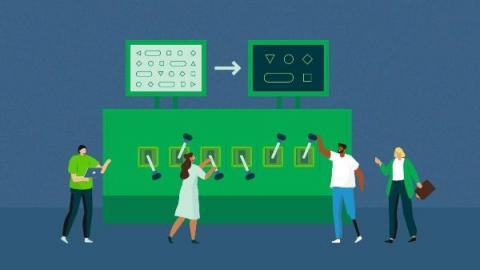
There is rapid adoption of artificial intelligence (AI) and machine learning (ML) in the finance sector. AI in banking is reshaping client experiences, including communication with financial service providers (for example, chat bots). Banks are exploring ways to use AI/ML to handle the high volume of loan applications and to improve their underwriting process.

Hyper-V Best Practices

Virtualization has become an essential component of modern IT infrastructure, enabling organizations to optimize their resources, improve efficiency, and reduce costs. Microsoft Hyper-V, a popular virtualization technology, allows for the creation and management of virtual machines (VMs) on a physical server. It enables multiple operating systems to run simultaneously on the same hardware, providing both flexibility and scalability.