The latest News and Information on DevOps, CI/CD, Automation and related technologies.
One of the most crucial aspects of network monitoring is security monitoring. Security breaches are more common now than ever before. The whole integrity of your network is at stake if even one node gets attacked. This is why it’s vital that businesses rely on a central network security software that continuously monitors the effectiveness of the security measures in place. Having network security tools is just a small part of the bigger picture.
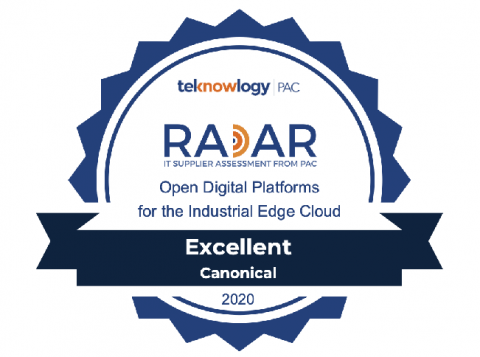
According to leading independent researchers teknowlogy | PAC, open source platforms – and Kubernetes in particular – are central to the future of digital factories. The PAC RADAR report offers a detailed market analysis of industrial digitalisation trends, and it predicts that Kubernetes-based platforms that bring together edge and cloud technologies will soon dominate the digital factory landscape.
In the vast ever-changing world of technology, Serverless and Faas are the two new categories of cloud computing services. Both FaaS and Serverless have helped organizations in saving money, refocusing developers’ time, relegating infrastructure management, and harnessing cloud technology. However, while both are treated as the same, there is a slight difference. Through this post, we will shed light on the similarities and differences between FaaS vs.
At Cloudsmith we love playing video games, everything from Super Meat Boy to Halo, Fortnite to Candy Crush. We’ve got a big Pac Man money box sitting on the office shelf. Steve Collins, of Havok fame, is on our Board of Directors. Quite simply, gaming is in our DNA. When we started Cloudsmith we made a list of customers we’d love to work with someday and there were numerous games studios on the list.
For most organizations, the cloud is a promise for better outcomes. Let’s be honest, why would you go through all that effort otherwise? This is especially true for all those applications and workloads that are currently running in data center environments but need to be moved to the cloud to support digital transformation efforts.
In a previous article, we discussed why we frequently hear that developers are not that keen on Kubernetes. You can read it here. In summary, while developers certainly see the value of Kubernetes, they want to continue focusing on their application code and updates and not be impacted by the company’s Kubernetes initiative, which is quite fair.
Should application developers learn Kubernetes? Let’s ask an even deeper question; should application developers even be aware of Kubernetes in their infrastructure? I frequently hear this question being asked by DevOps, Platform Engineering, and Development teams. Of course, this is a discussion that brings very different views from different people and can result in a very long debate.