Operations | Monitoring | ITSM | DevOps | Cloud

The leading InfluxDB Dashboard Examples

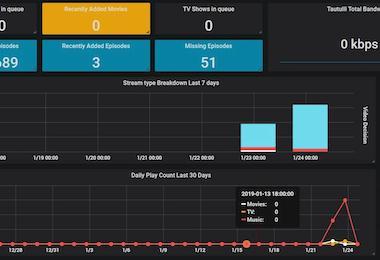
InfluxDB is a powerful tool for managing time-series data. It is widely used in industries such as IoT, finance, healthcare, and more. Using InfluxDB, you can query and store large amounts of data in real-time, making it easier to identify patterns, trends, and anomalies. InfluxDB dashboards provide a comprehensive overview of your system performance, metrics, and KPIs in real-time. You can customize these dashboards to meet your specific requirements.


Maximizing Your Cloud Budget: How to Drastically Reduce Your Cloud Costs with Qovery

We've been receiving a lot of requests from our amazing customers who are eager to learn more about optimizing their cloud costs with Qovery. It's clear that this is a hot topic, and we couldn't resist the opportunity to help you out. That's why we've organized a special live event just for you! In today's recap, we'll dive into why cloud cost optimization matters and share our best tips on how you can make the most of it using Qovery and our fantastic partners.

Don't Let Time Series Data Break Your Relational Database

This article was originally published in The New Stack and is reposted here with permission. It’s tempting to stuff time series data into the familiar Postgres or MySQL database, but that’s a bad idea for many reasons. To the uninitiated or unfamiliar, time series data exhibits similar characteristics to relational data, but the two data types have some critical differences.

Unveiling the Locked Secrets: Exploring Azure Storage Data Encryption

Data is the new oil, and it’s crucial to protect it from prying eyes. With the increase in cyber attacks, encryption is more important now than ever before. Azure Storage Data Encryption offers robust security features that help safeguard data stored on Microsoft Azure Platform.

All you need to know about Software Defined Cloud Interconnects

Software Defined Cloud Interconnects (SDCIs) offer several advantages over other private cloud connectivity options, and are becoming a key part of enterprise cloud connectivity as businesses consume more business-critical cloud applications. As enterprises add more public cloud providers and regions, the network becomes more complicated, requiring more accessible private cloud connectivity options.

What Can Network Automation Do for You?

You probably have been hearing a lot about automation and artificial intelligence (AI) these days, with a vision of some kind of AI-driven world that will take all of our jobs away. The reality is that there’s always too much work to do. AI and automation are more likely to help people get their jobs done more efficiently rather than take them away. Basic automation can have large returns for the network – and improve the quality of work.

Embracing Planned Downtime: Why It's Crucial For Your Website's Health

You’ve probably heard plenty of horror stories of unplanned website downtime wreaking havoc on businesses and costing companies thousands or even millions in lost revenue. So if you’re worried, we can’t blame you! Website downtime is usually a nightmare for any company relying on having a steady online presence. But not all downtime is bad. Scheduled, well-timed downtime can be a game-changer in keeping your site running smoothly and ensuring customer satisfaction.

Microsoft Announce Azure Automation Progress & Future Developments

On the 2nd of May 2023, Jaspreet Kaur of the Azure Automation Product Group released this blog, providing an update on updates to Azure Automation in 2022 and what is in the pipeline for 2023. In the blog, Jaspreet detailed the major changes that Microsoft have made to the core of Azure Automation to improve the reliability and scalability of the underlying infrastructure.

Migrating Git Integration for Jira Hosting from Self Hosted to Cloud

Migrating data can be tricky and stressful, even under the best conditions. Jira migrations can be particularly complicated due to the various applications many organizations use in conjunction with it. As you are likely aware of, in an effort to focus on offering a better Cloud service, Jira Server has reached the last stage of its End-of-Life transition, with no further support planned after Feb. 2024.