

Operations | Monitoring | ITSM | DevOps | Cloud

Seedance 2.5 API Integration: A Practical Guide for Developers

A Seedance 2.5 integration has two distinct operations: create a video task, then read that task until it reaches a terminal state. Treating generation as an ordinary request that immediately returns a finished file is the first design mistake to avoid. This guide uses SeedRouter's documented Seedance 2.5 contract. The request shapes were checked on October 22, 2026. The examples explain submission and polling; they do not claim a paid generation was executed for this article.


Machine Learning Applications That Revolutionize IOP Scottsdale Practices

In the realm of Intensive Outpatient Programs (IOP), machine learning is reshaping how facilities such as those in Scottsdale operate. By integrating advanced algorithms and data-driven techniques, these programs are enhancing patient care, optimizing operational efficiency, and improving treatment outcomes. This article explores the transformative applications of machine learning within Iop Scottsdale, highlighting its potential to revolutionize practices and benefit both patients and providers alike.

Commercial Fleet Wraps as an Operations Project: Planning, Proofing, and Rollout

A fleet manager once described her first wrap project like this: the design was approved on a Tuesday, and on Wednesday morning she discovered that three of the vans scheduled for installation were out on emergency calls. Nothing was wrong with the artwork. The trouble was that the project had been treated as a graphics task instead of a scheduling one, and the calendar caught up with it.

Managing AI Video Assets from Experiment to Approved Release

The difficult moment in an AI video project often arrives after generation. Someone drops a promising clip into a team chat, another person requests a change, and a third person downloads a different version for publication. By the next morning, nobody is certain which file was approved. For teams already managing software releases, this is a familiar coordination problem with an unfamiliar kind of artifact.

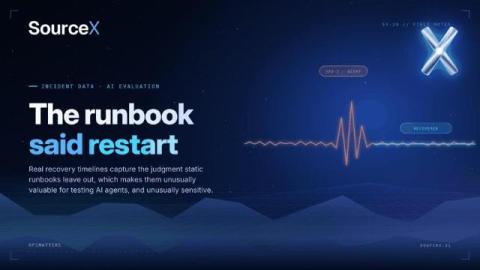
The Runbook Said Restart. The Incident History Explains Why Nobody Did

02:14. The alert fires. The runbook's first step is clear: restart the service. The on-call engineer doesn't. A dependency upstream looks unhealthy, a restart during a failover needs sign-off, and the symptom on the dashboard isn't the real cause. Forty minutes later the service is back. It's a hypothetical night, but most on-call engineers have lived some version of it. And the runbook still says restart.

Working from home in the AI era: Advantages, disadvantages, and the way forward

Remote work has changed more than where we work. It has reshaped how teams collaborate, how organizations manage performance, and how employees balance professional and personal responsibilities. Now, AI is adding another dimension to this transformation. From AI assistants that summarize meetings to automation tools that handle repetitive tasks, technology is making remote work more efficient in several ways.

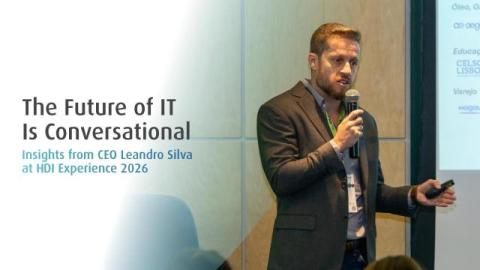
The Future of IT Is Conversational: Insights from CEO Leandro Silva at HDI Experience 2026

At HDI Experience, held September 16–18, 2026, Almaden’s CEO explained how AI and DEX are transforming enterprise support—and why the traditional service desk model has reached its limits. The traditional support model can no longer keep pace with the complexity of modern IT. Leandro Silva, cofounder and CEO of Almaden, opened his presentation at HDI Experience with this straightforward observation. “The traditional model can no longer keep pace with the complexity of modern IT.

Devart Python Connectors add support for Python 3.15 and the latest database versions

We are pleased to announce a new release of Devart Python Connectors, bringing support for Python 3.15, Microsoft SQL Server 2025, Oracle 26ai, and MySQL 9.7.x. The update also introduces new authentication methods, connection options, and improvements to data type handling across multiple connectors.
Sponsored Post

The SAP Automation Advantage: What High-Performing SAP Teams Have in Common

Every Basis team has a list. The tasks nobody schedules because they get done by hand, by a Basis miracle worker who knows the sequence. System refresh. Parameter settings across multiple production systems. The cloud invoice with a number nobody can explain. The teams with a short list of manual tasks got there with automation. What separates them isn't enthusiasm for automation as a concept. It's automation covering every system they're responsible for, including the ones without a server login.