Epinio is a Platform as a Service (PaaS) that allows developers to go from the application source to a URL in one step. Try Epinio today or try it tomorrow — but make sure you try it. We just released our first stable version (Epinio v1.0.0) and we think you are going to love it. Let me tell you why.
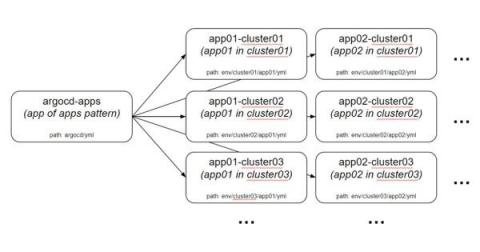
It’s the type of nightmare that leaves developers in a cold sweat. Imagine waking up to a message from your team that simply says, “We lost a cluster,” but it’s not a dream at all. InfluxDB Cloud runs on Kubernetes, a cloud application orchestration platform. We use an automated Continuous Delivery (CD) system to deploy code and configuration changes to production. On a typical workday, the engineering team delivers between 5-15 different changes to production.
No matter what industry you’re in, your customers’ expectations have permanently shifted. Customers expect consumer-grade experiences that are frictionless, delightfully designed, and valuable for their needs. “Consumer-grade experiences” are associated with the best consumer companies, such as Apple, Netflix, and Amazon. These companies famously put the customer at the center of everything.
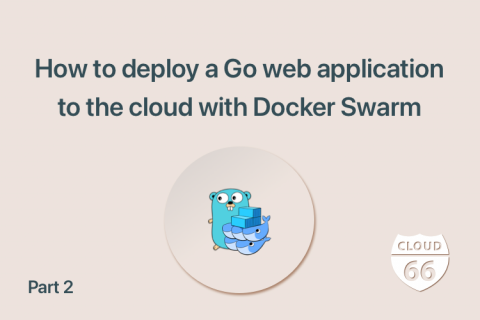
Last week, I showed you how to build and deploy a Go Web application (or API backend for a frontend framework like React or Vue) to a cloud provider, using Docker as a process manager. In this post, which is part of two of this series, I will show you a second method of deploying a Go Web app or backend to any cloud, using Docker Swarm.
Imagine having the ability to instantly know when a Kubernetes compliance or security violation occurs. Now you can with Shipa Insights. Coupling Shipa Insights with the robust notification and alerting capabilities of PagerDuty makes this very possible. Shipa has the capability of sending fine-grained events externally e.g to PagerDuty. Now with the power of Shipa Insights, you have the capabilities to alert on policy violations. Let’s take a look at gettings started.
I recently published a couple of blog posts about what happens when you invest in a thoughtful incident management strategy and three first steps to take to do so. What I’m getting at in these posts is that we need a shift toward proactivity in the software operators community. I’d wager most of the world is responding to incidents as they happen, and nothing more.
“It’s too expensive!” “Do we really need another tool?” “Our APM works just fine.” With strapped tech budgets and an abundance of tooling, it can be hard to justify a new expense—or something new for engineers to learn. Especially when they feel their current tool does the job adequately. But, does it?