
Operations | Monitoring | ITSM | DevOps | Cloud

How to monitor coreDNS

The most common problems and outages in a Kubernetes cluster come from coreDNS, so learning how to monitor coreDNS is crucial. Imagine that your frontend application suddenly goes down. After some time investigating, you discover it’s not resolving the backend endpoint because the DNS keeps returning 500 error codes. The sooner you can get to this conclusion, the faster you can recover your application.
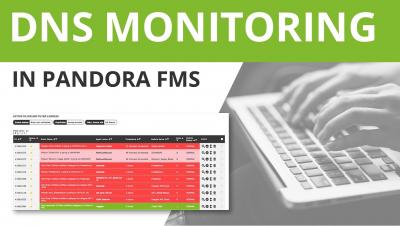
Everything You Need to Know About DNS Monitoring

In order to communicate, web pages, devices and applications need a common naming system which allows them to identify each other and send information. This is particularly important when the communication takes place over the Internet because of the large number of services and websites that need to be identified. This is why the Domain Name System (DNS) is so important for businesses. It matches website pages and devices to an IP address that can be traced by other devices.

DNS Monitoring 101 - Troubleshoot Anycast DNS Issues

Today’s Tip of the Day is the final of three focused on Domain Name System (DNS) monitoring. In the rest of the series, we looked at how digital experience monitoring (DEM) can (i) help ensure users are served by the correct DNS server to reduce latency and (ii) help to guard against DNS-related attacks. In today’s post, we talk about Anycast DNS, the advantages it provides, the challenges it presents in relation to troubleshooting DNS issues, and how to overcome them with Catchpoint.

DNS Monitoring 101 - How to Guard Against DNS Attacks

Today’s Tip of the Day is the second in a three-part series on Domain Name System (DNS) monitoring. In the first, we looked at how the application delivery chain works and the way in which many companies outsource their DNS to third parties with a global presence in order to reduce latency. The connected tip was focused on ensuring users are served by the correct DNS server.

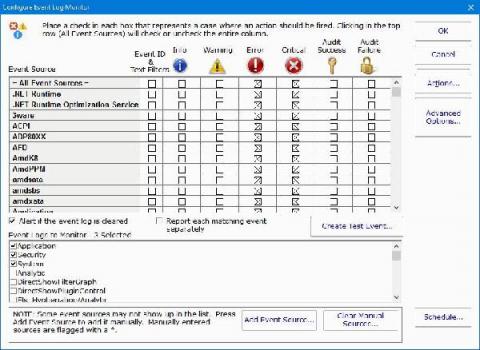
Server Monitoring and Alerts - Getting Past Common Obstacles

Keeping a server running optimally on a consistent basis involves managing multiple system elements simultaneously. Automated scripts and specialized software can handle the tasks your server needs to complete on a daily basis—but when one of these experiences an error, it can throw the entire system off.

DNS Blacklist Monitoring: Protect Your Company's Reputation

Did you know that around 306 billion emails have been sent globally every day in 2020 and about 45 percent of all emails received are spam. Even more surprisingly, websites that are marked as spam on email portals lose 95 percent of their traffic. Email servers tend to blacklist certain IDs as spam based on their content. And for companies marketing their business via emails, 36 percent of the total spam messages across the globe are attributed to advertising content.