Making your brand stand out in digital business is more challenging than it sounds. More than 2.87 million apps are available on Play store and other platforms. In fact, as per reports, almost 252,000 new websites are created and launched daily. Competing in this large market without proper monitoring and strategy is a complete waste of time.
Synthetic monitoring proactively assesses application performance, allowing us to detect potential issues before they impact users. When combined with tracing, it becomes more effective by linking synthetic tests to actual system traces. This integration offers deeper visibility and granular insights into application behavior, enabling more effective, data-driven decisions to optimize performance.
Welcome to the second video of our new series, Frontend Observability & Monitoring! Datadog Synthetic Monitoring is a proactive monitoring solution that enables you to create code-free API, browser, and mobile tests to automatically simulate end-user workflows and requests on your front-end applications. This video will walk you through setting up browser and api testing capabilities so you can keep tabs on your application uptime and ensure a reliable user experience.
APM is foundational in assessing an application's internal health. It employs a variety of tools and techniques to monitor crucial metrics such as response times, error rates, and resource utilization. This comprehensive analysis enables teams to identify bottlenecks, slow database queries, and other potential performance-related issues that could diminish the user experience.
For accurate and effective performance testing, synthetic monitoring has become a staple and this is only going to continue in the coming years. This is mainly due to the fact that this process is beneficial and offers numerous advantages to organizations. With synthetic monitoring, your organization can identify performance issues before they affect real users. By continuously simulating user interactions, your team can highlight and rectify performance bottlenecks and infrastructure issues in real time.
When it comes to ensuring your website’s performance and uptime, synthetic monitoring tools have become indispensable. These tools help businesses proactively detect and resolve issues before they affect real users, offering peace of mind and optimal website performance. In this article, we’ll explore what synthetic monitoring is, the best tools for 2024, and why Dotcom-Monitor is our top choice.
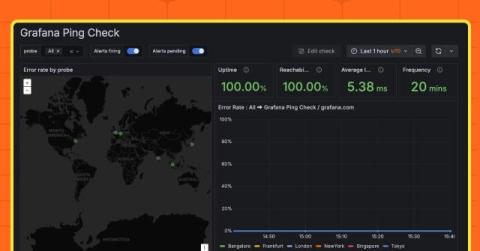
With 2024 coming to a close, it’s a good time to reflect on how Grafana Cloud has evolved this year — and synthetic monitoring, in particular, is one area where we’ve really focused our efforts. In May, we rolled out a revamped version of Grafana Cloud Synthetic Monitoring with the overall goal of making your monitoring processes not just more efficient, but more impactful.
Given the complexity of modern websites, browser testing is essential to ensure a positive user experience. With the Grafana k6 browser module, you can interact with real web browsers and simulate user interactions — like clicking, typing, or navigating pages — to collect frontend metrics, increase site reliability, and fix performance issues before they ever impact your users.
Synthetic website monitoring (also known as synthetic testing) involves simulating the actions that visitors perform on a website and the journeys they take, in order to evaluate performance and proactively spot any issues or problems. For example, synthetic testing can help answer critical questions like: However, not all synthetic testing solutions or strategies are equal.