Operations | Monitoring | ITSM | DevOps | Cloud

Five Key Steps for Database Security in the Cloud Age

As business has become more digital, data has become the most valuable asset of many organizations. But protecting that data has also become much more compli­cated as organizations increasingly migrate it to a mix of public and private cloud infra­structures, such as Microsoft Azure, Amazon Web Services, and Google Cloud.

Podcast: Break Things on Purpose | Gunnar Grosch: From user to hero to advocate

Reliability and serverless are at the forefront of today’s conversation. For this episode Gunnar Grosch, Senior Developer Advocate at AWS, is here to talk about Chaos Engineering, AWS Serverless, and the work that AWS is doing when it comes to reliability.

Use your words: the importance of clear writing in product development

The role of an engineer at a startup is a tangled web: as well as writing code, you have to be your own product manager, QA tester, customer support and designer. But there’s another hat that you have to wear which you might not have thought about: copywriter. All products have copy, from welcome messages to text on a submit button. At incident.io, we have to put on our copywriting hats every time we add a new feature.

Auto-generate Postman Collections from traffic

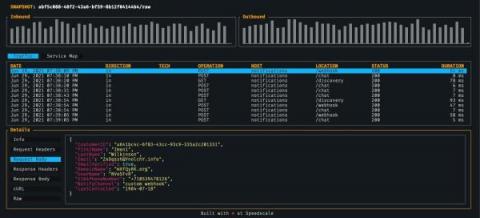
Postman is a great tool for API testing during development. It’s GUI is simple to learn and ubiquitous. However, manually writing test cases for local development gets tedious fast if you have a lot of endpoints. Meticulously entering every detail for every use case takes forever. Also, if you get one HTTP Header or parameter wrong, it can take hours to diagnose. And even when it’s done, the API tests are almost immediately out of date because the API contract changes.

Public Sector IT in 2022: Confronting Shadow IT in a Hybrid World

The public sector hasn’t always had a reputation for digital agility and modern hardware, but that’s beginning to change thanks to COVID-19. Forced to operate from home, public sector employees are employing a mix of devices and cloud strategies to keep city services running. However, these very same advances could be fueling shadow IT within public sector organizations and leaving them vulnerable to data leakage, theft, or attack.