Package promotion workflows are a great way to isolate and protect production repositories away from public upstreams, so they only receive clear and vetted packages.
For over nine years, Coin Metrics Software Engineer Roman Rashtiehaiev has been building scalable, fault-tolerant backends. His experience spans enterprise software development at EPAM Systems, senior engineering roles at AgileEngine, CARRIYO, and VerifyAffiliate, and nearly three years designing data infrastructure for blockchain analysis.
In the digital age, the landscape of job applications has evolved dramatically, and Artificial Intelligence (AI) plays a pivotal role in this transformation. Traditional paper resumes and cover letters have given way to dynamic digital tools designed to streamline and enhance the job application process. AI technologies are now at the forefront, offering job seekers and employers innovative ways to connect more efficiently and effectively.
.NET Blazor, a robust web development framework, offers developers the unique opportunity to build interactive web applications using C#, HTML, CSS, and JavaScript that can run on the server, on the user’s browser, or even as a mobile application when part of a.NET MAUI application. Its unique approach differentiates Blazor from traditional web development methods.
Learn how dbForge Edge enhances database development and design with powerful features such as context-aware code completion, visual query building, and version control integration. Whether you work with SQL Server, MySQL, Oracle or PostgreSQL, dbForge Edge will help you easily reinvent and streamline your daily workflow.
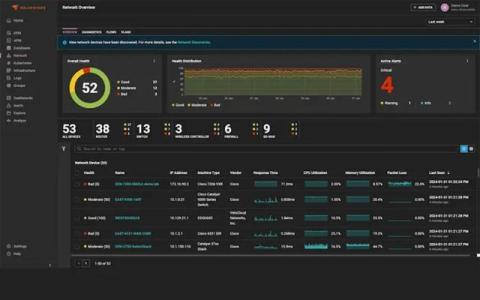
Enterprises are yet to hit a sweet spot with their IT infrastructure monitoring. Despite investing thousands of dollars and getting a bunch of monitoring tools, it is almost always true that the customer catches the issue before the monitoring tool does. In today’s time, teams are looking at more than just monitoring tools. In fact, they want a system that can detect and resolve the issue in the same platform without any delays or intervention.
The first line of defense in any robust IT infrastructure is controlling who can physically access critical hardware and data centers. Implementing security measures like biometric authentication, RFID badges, and access control systems drastically reduces the risk of unauthorized entry. This is particularly crucial for preventing insider threats and external breaches that could lead to data theft or system tampering.
With the rapid adoption of cloud environments, IoT devices, and remote workforces, the attack surface of many organizations has grown exponentially. Each new system or endpoint introduces potential vulnerabilities that need to be identified, managed, and mitigated. This expanded attack surface makes it difficult to track all the moving parts, leaving organizations vulnerable to breaches.