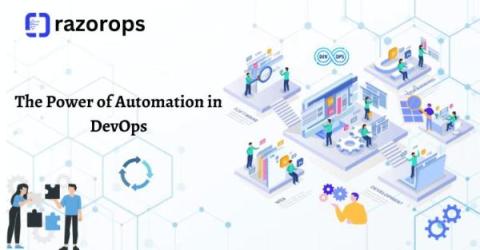
In the ever-evolving world of software development and operations, DevOps has emerged as a game-changer. DevOps, short for Development and Operations, is a set of practices and principles that bridge the gap between these two traditionally siloed domains, fostering collaboration and accelerating the delivery of high-quality software. At the heart of DevOps lies automation, a powerful force that revolutionizes the way software is developed, tested, and deployed.
Most development teams know that testing the application layer of a system (a.k.a the codebase) is of vital importance. Testing the data layer (the database) is just as important. To perform database testing, you construct queries to assert and validate the database operations, structures, and attributes required by the application connecting to the database.
We’ve compiled a list of 9 top-notch port monitoring tools that will help you stay ahead without breaking the bank. So strap in as we explore the world of ports through these beneficial applications and tell you about the best options on the market today! In this guide, you’ll learn… Looking for more amazing monitoring tools? Check out our post about the top 7 ping monitoring tools in 2024.
Organizations today rely on mobile device management (MDM) solutions to secure and manage corporate resources across a diverse range of devices. One such platform is Microsoft Intune, which offers security, patch, and access control features for mobile and desktop devices. Today, we look at Microsoft Intune and how Exoprise Service Watch helps customers ensure Intune is working well.
The 2023 Gartner Market Guide for Unified Endpoint Management Tools is here! This year’s report has been highly anticipated since Gartner retired the Magic Quadrant™ for unified endpoint management (UEM) tools last year. Organizations and IT professionals can use this research to understand the core capabilities to look out for when selecting a UEM solution, plus they’ll get insights into the future of the UEM market so they can align their investments accordingly.
Maybe you’re still using monolithic applications, built and refined over many years. You understand that shifting to microservices or containerized architectures is a huge and daunting task. You’re probably grappling with the limitations of legacy systems—maybe they’re slow, tough to update, or can’t scale as you’d like. And you’re likely using more traditional IT monitoring tools or even some cloud observability tools.