Getting Started with Collaboration and Sharing
In this video we will show how to set up the sharing of incidents from your BigPanda environments with ticketing, chat, notification and orchestration systems.


James Beard, the pioneer of television cooking shows, once asked, “Where would we be without salt?”. Salt is often underrated, even though it is the ingredient that has the greatest impact on food and flavor in the modern world. It has its own taste, but also balances and enhances the flavor of other ingredients. Salt boosts sweetness and blocks bitterness, it has scientifically proven capabilities to intensify flavor compounds that are too subtle to detect (i.e.
Our human capacity for ingesting information and acting on it, is constant. As the systems we operate grow more complex, we need to make sure we use technology that presents us with only the relevant information we need, exactly when we need it. In aviation, this lesson was learned long ago, and now IT Ops is catching up.
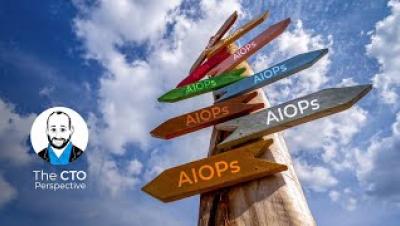
With so many IT vendors claiming they provide AIOps platforms, how do you understand the differences between them, and decide what flavor of AIOPs to choose for your organization? Join us in a CTO Perspective discussion with Elik Eizenberg, CTO and co-founder at BigPanda, to find the answer. Read the skinny for a brief summary, then either lean back and watch the interview, or if you prefer to continue reading, take a few minutes to read the transcript. Enjoy!