New product features - default tasks, in-progress builds & more
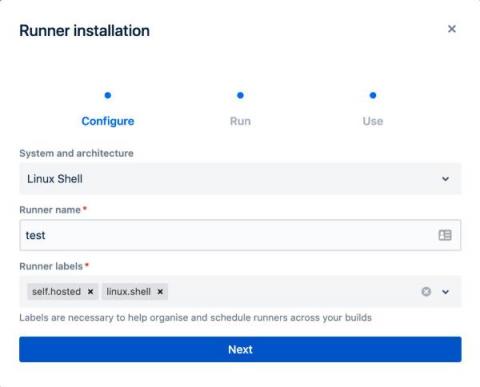
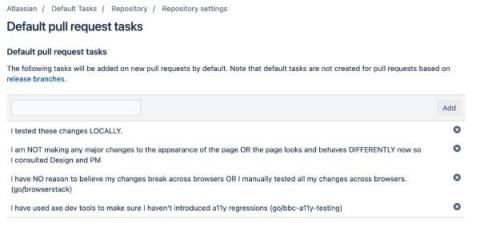
Over the last few weeks, we’ve launched several new features like support for Docker BuildKit, the ability to set default PR tasks, and fixed a few bugs. Here are the updates.


Testing is a vital part of the mobile app development process. Your team can use testing to evaluate the quality, security, and reliability of mobile apps before releasing them to your users. Users who expect their applications to be highly performant and intuitive. There are two ways DevOps teams can perform testing for mobile apps: on-premise (also called self-hosted) or in the cloud. But which of these is the best option for your team?
We’ve reached the point in the DevOps transformation where efficiency and automation are no longer the highest objectives. The next step is engineering past automation and towards fully autonomous, self-healing systems. If you aren’t conversing about building this type of resilience into your systems and applications, there’s never been a better time than now to start.
IT roles have never been more in demand and IT salaries have never been higher, according to recent reports and data sources. Whether you are hiring, looking for a career change, or simply work in tech, it’s important to stay up-to-date on the state of employment in the industry. This blog post will review, roundup, and summarize some of the latest trends for IT salaries and demand by role and location (among other variables) to help you get a clear view of the landscape.
Cloud migration efforts continue to grow today as organizations move into a post-pandemic work environment. According to McKinsey & Company, by 2024, most enterprises aspire to have $8 out of every $10 for IT hosting go toward the cloud. In a survey by Morgan Stanley, CIOs say cloud computing will see the highest rate of IT spending growth in 2022.
As someone who has seen the devastating effects of poor performance monitoring firsthand, I can attest to the importance of doing it right from the start. If your users are experiencing latency issues and you’re not aware of them, that’s a big problem. At one of my previous jobs, we ended up paying out millions of dollars in SLA violation fees because we didn’t have proper monitoring.