Operations | Monitoring | ITSM | DevOps | Cloud

Monitoring AWS Application-Related Services

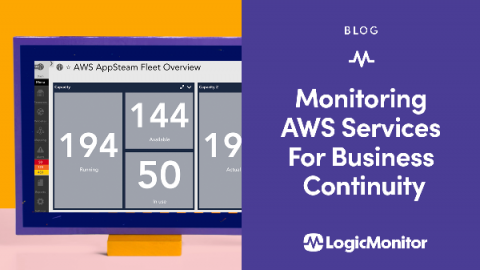
Amazon Web Services (AWS) has a suite of tools that help application development teams enhance and streamline their work experience, from the backend to frontend services. LogicMonitor consolidates data from these services and empowers users to monitor them side by side with the rest of their infrastructure, whether it’s in the Cloud or on-premises. Keep reading for tips on monitoring some of these services to ensure business continuity.

What Is the Difference Between SaaS-Based and Cloud-Based?

Software as a Service (SaaS) based and cloud-based products and services may sound like they’re referring to the same thing. True, if the service exists “in the Cloud,” it may be both SaaS and cloud-based. While your SaaS-based application will almost certainly be cloud-based as well, your cloud-based services may not always be SaaS-based. SaaS is a component of cloud computing.

User Research For Expert Systems

I’d like for you to think of your favorite app that you use almost every day. What do you use it for and why? Next, I’d like for you to think of the last time the app had a major design change that made you think, “What was the company thinking? Why would they change something that worked perfectly fine and make it so unusable? Did they not consult actual users before making this change?”

How to Trigger Alerts From Application Events

EventSources, the sister LogicModule to DataSources, are a useful framework for triggering event-based, contextual alerts from your applications and infrastructure. While DataSources poll your applications and infrastructure for time-series datapoints, EventSources poll (or listen) for interesting events from your log files, SNMP traps, syslogs, Windows Event Logs, and much more.

Enterprise Cloud MVC Requirements

A Minimum Viable Product (MVP) in software development is often what we strive for when proving a case for improvement or product. With the movement toward the cloud infrastructure, we should start striving for a Minimum Viable Cloud (MVC). An MVC consists of everything needed to get a cloud environment up and running. The main services of cloud infrastructure are Communication, Application, and Storage.

Monitoring AWS Analytics

Amazon Web Services (AWS) products are countless, and at LogicMonitor, we are working tirelessly to bring monitoring support to as many of them as possible. With so many products and tools already on your plate, we want to make sure that monitoring is not a hassle, but rather a trusted companion. Here, we will focus on the analytics section of AWS and provide some tips on how to utilize the data collected from AWS Athena and Glue.

Remote Workforce Monitoring Dashboards 101

It's more important than ever to ensure your applications, tools and services are available for your remote workforce. Having visibility into the health and performance of these business-critical applications and infrastructures is critical for IT to maintain business continuity. With visibility into cloud applications like Zoom and Office 365, as well as the performance of critical services like VPNs and other tools, your team can quickly respond to issues and prevent outages.

What to Look For in a Hybrid Cloud Monitoring Solution

So, you are considering moving to the cloud. Or, likely, have already transitioned your services. If you are wondering what the next steps are, you have many options on how to move towards cloud infrastructure. This blog will cover what to consider when using public clouds. Specifically, we will focus on monitoring a hybrid cloud set up using the big 3 cloud providers, Amazon Web Services (AWS), Microsoft Azure, and Google Cloud Platform (GCP).

The More You Monitor - What is Observability?

Are you embracing the key tenets of Observability in your IT infrastructure management? In this episode of The More You Monitor we’ll unpack the foundational elements of Observability and how enacting this concept can ensure high availability and pre-empt business problems. For more tips and resources check out: Or, e-mail us @ marketing@logicmonitor.com

Intelligently Monitor Your Work From Home Infrastructure for Business Continuity

Working remotely is becoming the norm for more and more businesses. Many companies have offices spread throughout the world, decentralized employees or contractors, or they simply have a flexible work from home (WFH) policy. Remote work is an aspect of digital transformation that is often left out of conversations when it comes to ensuring business continuity and driving growth.