Unless end users (EUs) are directly prevented from using applications, they are unlikely to report IT anomalies or malfunctions; it’s much easier to restart a program or click “x” to make the error message disappear than submitting a ticket. Every day, employees settle for small IT glitches which never go reported, giving IT departments the perception of smooth service delivery while, in reality, EUs are experiencing constant obstacles and frustration.
One of the key pieces of wisdom regarding any kind of development project is that all software problems are inherently hardwaret problems. This is one among many reasons why devices like the iPhone and the Xbox have been so popular over the years. When software and hardware integrate properly, and code is written to specs that take full advantage of the platform, great things become possible.
In a previous post, we explained the concept of configuration management and presented three of the most popular tools: Chef, Puppet, and Ansible. We also briefly explored the impact that containerization is having on configuration management, and how the two can be used in combination. This article takes a more in-depth look at this relationship by presenting different techniques for using Chef, Puppet, and Ansible to deploy and manage a Kubernetes cluster.
Enterprise users of Office 365 often need to configure a multi-function printer to use the platform’s SMTP email capabilities on their network. There are several ways of doing this, each with their own benefits and disadvantages. In this guide we’ll be looking at the steps required in setting up Office 365 network printing and email under various conditions.
Let’s start with the happy ending — after a long search, we managed to identify a Netty memory leak in one of our log listeners and were able to troubleshoot and fix the issue on time before the service crashed.
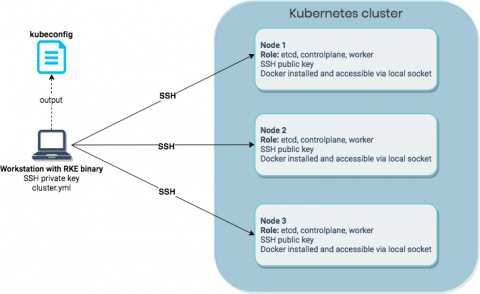
When you are using Rancher to manage your Kubernetes clusters, at some point you will encounter the terms Rancher, RKE, and custom cluster. If you are new to Rancher, it can be difficult to understand the difference between and purpose of each of these concepts. In this post, I will go over what each component is used for and how they are used together in parts of the system.