Operations | Monitoring | ITSM | DevOps | Cloud

Introduction to Aiven for ClickHouse

Learn how to work with Aiven for ClickHouse: create a service, explore possibilities provided by the Aiven Console, and finally use ClickHouse CLI to create a table, load data and run a couple of sample queries. CHAPTERS ABOUT AIVEN Aiven’s cloud data platform helps your business reach its highest potential by making your data work for you. It provides fully managed open source data infrastructure on all major clouds, helping developers focus on what they do best: innovate and create without worrying about the limitations of technology.
What Is a Business Continuity Plan, and Why Does Your Startup Need It?

A business continuity plan is a document that outlines the procedures and processes your organization should take to remain operational in the event of an unforeseen disruption or disaster. It includes strategies for recovering critical operations, systems, data, and resources, as well as plans for restoring normal operations. In other words, it is a plan of action designed to help keep your business up and running despite any type of disaster. Here's why your startup needs to have a certain level of readiness.

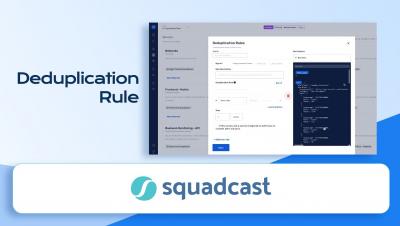
Deduplication Rules | Reduce Alert Noise by Clustering Similar Alerts I Squadcast

Alert Deduplication can help you reduce alert noise by organising and grouping alerts. It also provides easy access to similar alerts when needed. This video on Alert Deduplication rules will help you define Deduplication Rules for each Service in Squadcast. Alerts will get deduplicated when these rules evaluate true for an incoming incident.

From 200 to 503: Understanding the Most Common HTTP Status Codes

When browsing the web, you may have come across error messages such as "404 Page Not Found" or "500 Internal Server Error." These error messages are HTTP statuses, which are an essential part of the internet's communication protocol. In this article, we'll cover the most common HTTP statuses and what they mean.

Introducing the Cribl Stream Reference Architecture

Join Ed Bailey and Eugene Katz as they unveil the first Cribl Stream Reference Architecture, designed to help observability admins achieve faster and more valuable stream deployment. In this live stream discussion, Ed and Eugene will explain the importance of a quality reference architecture in successful software deployment, and guide viewers on how to begin with the Cribl Stream Reference Architecture by first establishing end-state goals. They will also share different use cases and help viewers identify which parts of the reference architecture are applicable to their specific situation.