Developers started to notice just how big our JavaScript package was and yeah, we knew. We weren’t ignoring the issues; after all, we don’t want the Sentry package to be the cause of a slowdown. But to reduce our JavaScript SDK package size effectively we had to account for shipping new capabilities, like being able to manage the health of a release and performance monitoring, while maintaining a manageable bundle size. After all, new features == bigger package - usually.
Managing the digital experiences of an entire workforce isn’t easy. But that’s what today’s IT professionals are tasked with: as DEX has become an essential priority in our increasingly digital workplace, IT jobs now require service teams to deploy the strategies that ensure employees remain productive, engaged, and happy. But what about IT workers themselves? What about their employees experiences? After all, IT workers are employees too!
Tracing, or more specifically distributed tracing or distributed request tracing, is the ability to follow a request through a system, joining the dots between all the individual system calls required to service a particular request. Although tracing logs have been around for some time, the trend toward distributed architectures, microservices, and containerization has elevated it from nice-to-have status to an essential piece of the observability puzzle.
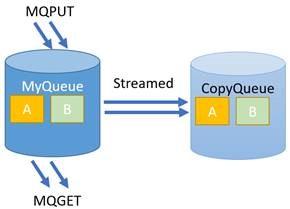
Last year we published this blog post about the benefits of IBM MQ streaming queues. On July 15th, 2022 this functionality was also made available for MQ on the mainframe (z/OS) and it’s also been announced for the MQ appliance for Aug 2nd, 2022. Nastel has been supporting and embracing this functionality for some time in its integration infrastructure management (i2M) platform.
Incident response is at the heart of great, or terrible, user experience. However, while tools have evolved, challenges – especially faced by L1 agents – still exist. The solution isn’t about getting more tools. It’s about establishing a unified platform across the IT service desk and the IT Operations teams that empowers L1 agents to collaborate across silos with L2 agents, subject matter experts, and DevOps personnel.